 EN

What Is the Role of a Fifth Wheel on a Tractor Truck?
From a commercial-vehicle selection advisor perspective, the first question about any key component is whether it suits the duty cycle, payload, and route conditions. Few parts carry that question more directly than the fifth wheel: the heavy-duty coupling device mounted on the rear frame that physically connects a tractor truck to its trailer.
If you are evaluating a semi truck for freight operations or long-haul logistics, understanding this coupling mechanism is not optional. It affects load distribution, turning behavior, coupling safety, and long-term maintenance costs. This article explains what the fifth wheel does, how it works, and what to look for when operating or specifying a heavy tractor.
What Is a Fifth Wheel on a Tractor Truck?
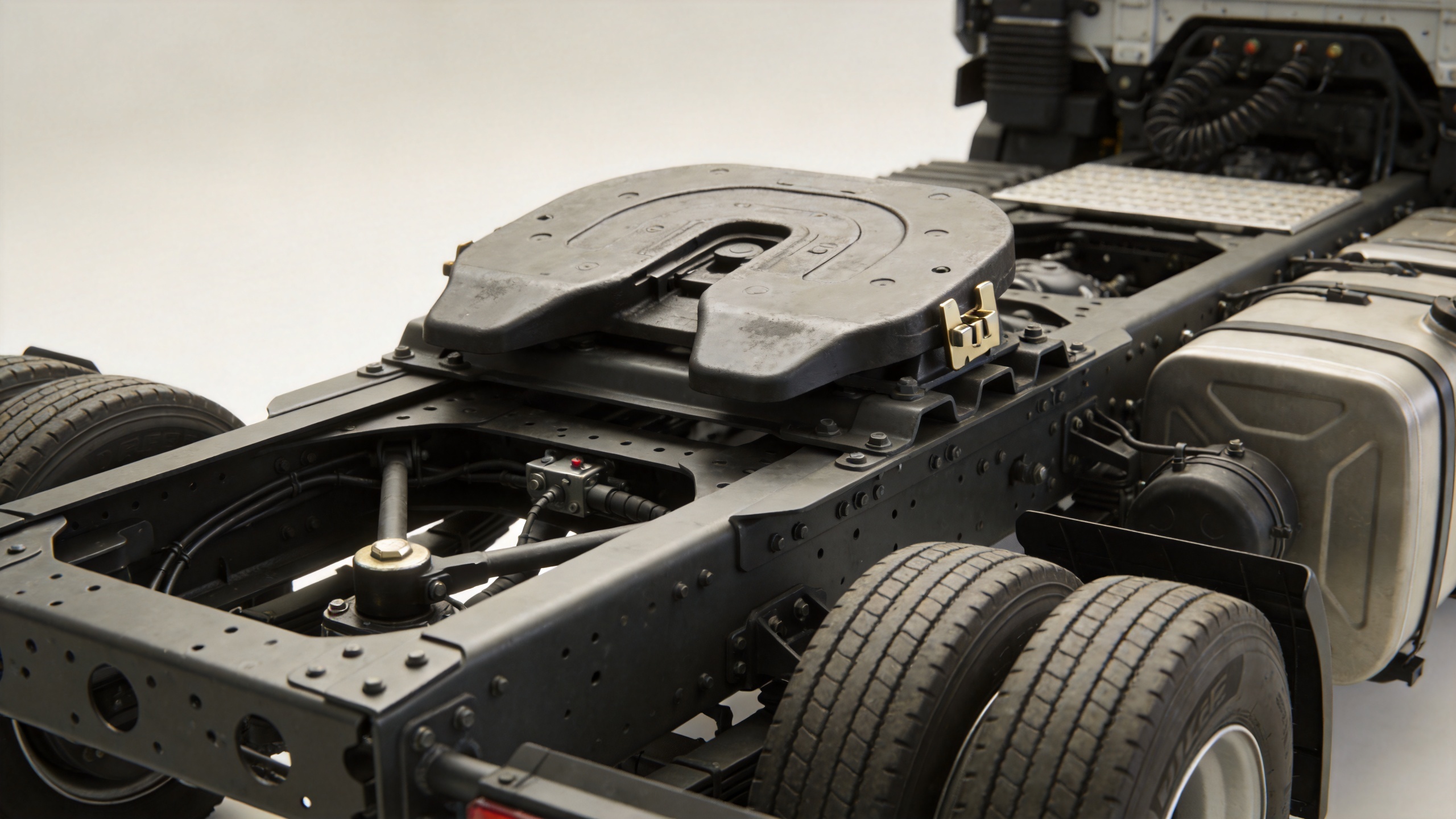
The fifth wheel is a horseshoe-shaped metal plate, also called a coupling plate, bolted to the vehicle's rear frame. It serves as the mechanical link between the power unit and a semi-trailer. When a trailer's kingpin slides into the jaw mechanism, the two vehicles lock together into a single operating unit.
The relevant technical question is whether the fifth wheel specification suits the trailer and load you intend to haul. The plate must support the vertical load imposed by the loaded trailer while allowing controlled horizontal rotation so the combination can articulate through turns. A mismatch between coupling plate capacity and trailer weight is one of the more common sources of connection failures and irregular tire wear on semi trucks.
How the Fifth Wheel Connects Tractor and Trailer
The coupling process follows a fixed sequence on any standard heavy vehicle:
- The driver positions the power unit so the plate slides under the front of the semi-trailer as it reverses.
- The trailer's kingpin. This is a steel pin mounted on the trailer's front undercarriage, which enters the opening in the coupling plate.
- The internal locking jaws close automatically around the kingpin, securing the trailer to the cab unit.
- The driver confirms the lock visually and by gently pulling forward before connecting the air brake and electrical lines.
Uncoupling reverses these steps: electrical and air lines disconnect first, the locking jaw releases, and the cab drives forward, leaving the trailer on its support legs. Correct coupling and uncoupling procedure is a standard part of operation training, and skipping the visual lock check is one of the most preventable causes of trailer separation incidents.
Why This Component Matters for Performance
The fifth wheel is not simply a passive attachment point. It carries several performance-critical functions on a tractor truck:
Load Transfer and Distribution
On a fully loaded semi-trailer, a significant portion of the front axle weight transfers through the kingpin into the coupling plate and then into the rear axle group. A useful checkpoint when specifying a vehicle is the rated vertical load capacity — this must exceed the expected pin weight from the loaded trailer. Exceeding that rating over time damages the plate, the frame rails, and the trailer's front undercarriage structure.
Articulation and Turning
The coupling plate allows controlled rotation between cab and trailer. This articulation enables the combination to complete tight turns, back into dock positions, and navigate curves at highway speeds. The plate surface is greased periodically to reduce friction and wear; insufficient lubrication increases steering effort and accelerates component wear on both the tractor truck and the trailer kingpin.
Coupling Security and Road Safety
A locked and properly engaged fifth wheel is the primary structural guarantee that the trailer remains attached under dynamic road loads: cornering forces, braking deceleration, and rough surface impacts. This is why coupling confirmation is a mandatory pre-departure check across most national and regional transport regulations. If the locking jaws are worn or improperly adjusted, the connection may appear engaged but lack the structural integrity required for safe road operation.
Fifth Wheel Height and Vehicle Compatibility
Coupling plate height on a tractor truck, measured from the ground to the top of the plate,directly determines trailer compatibility. Most standard semi trailers are designed for a specific height range. If height is too low, the trailer's front nose may contact the rear cab structure on sharp turns. If it is too high, the trailer floor line may exceed legal limits when loaded.
It is not simply a clearance issue; more precisely, coupling height interacts with trailer nose height, load center of gravity, and the vehicle's axle load distribution. Operators who run multiple trailer types on a single fleet sometimes specify adjustable sliding fifth wheels. This sliding mechanism repositions the coupling plate along the frame, allowing the operator to shift axle load balance without changing the trailer or tractor configuration.
Types of Fifth Wheels Used on Heavy Vehicles
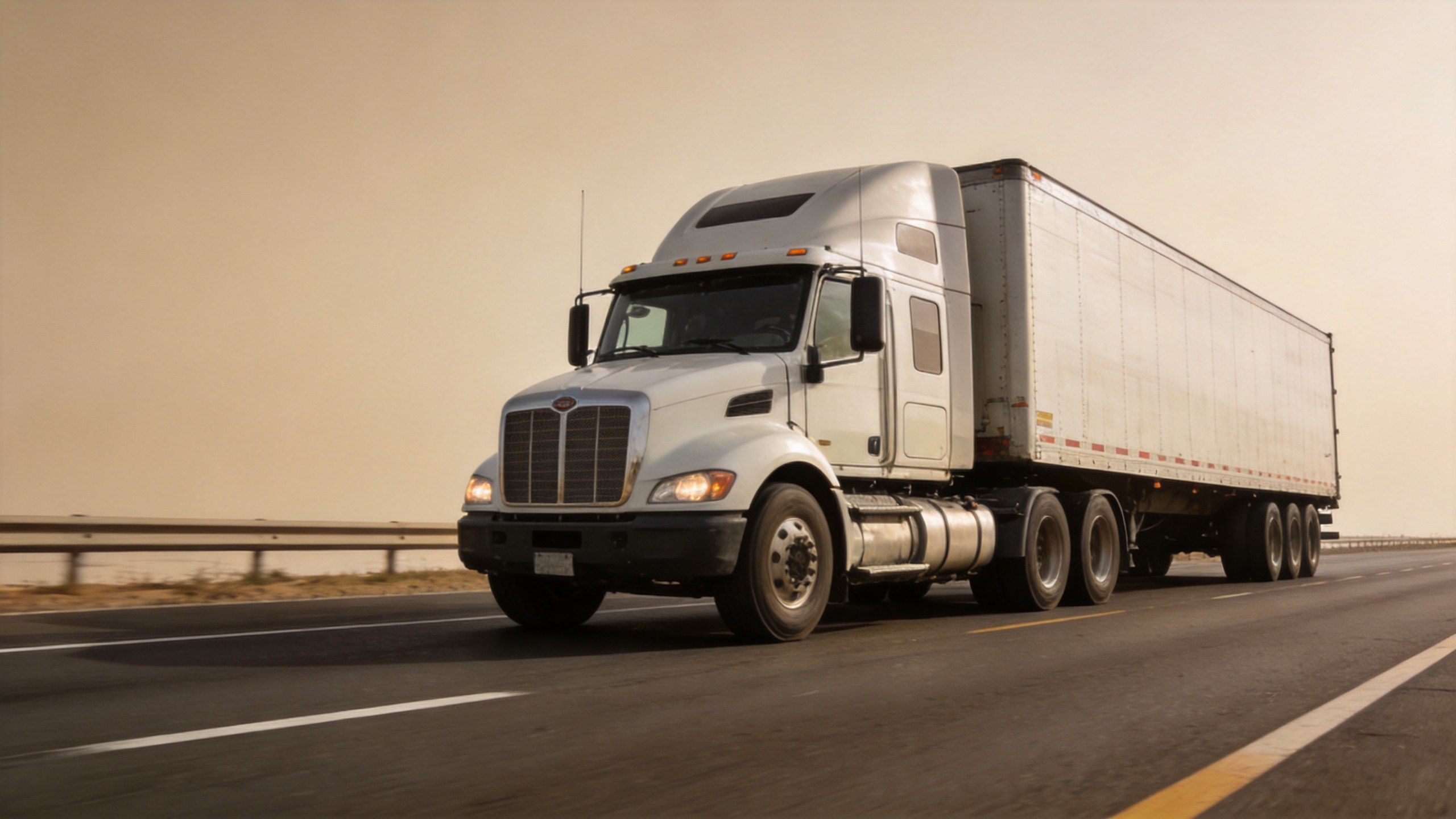
Not all coupling plates are the same. The main variants used on a tractor truck include:
- Fixed plate: The standard configuration for most long-haul vehicles. The plate is bolted permanently in position on the frame. It is straightforward, durable, and requires minimal adjustment.
- Sliding plate: Common on units that haul multiple trailer configurations or need to manage axle weight compliance on regulated routes. The plate slides fore and aft on rails locked by a spring-loaded pin mechanism.
- Low-mount plate: Used on vehicles hauling high-clearance or oversized loads where reducing the overall combination height is a priority.
Matching the correct type to the vehicle's frame length, rear overhang, and the intended trailer fleet is part of specifying a semi truck for a specific logistics application.
Maintenance Requirements
The fifth wheel is a wear component. Operators running a tractor truck in demanding conditions, including heavy loads, high mileage, or routes with frequent coupling and uncoupling cycles,need to budget for regular inspection and periodic replacement of wear items.
Routine maintenance includes:
- Periodic lubrication of the plate surface using the grade of grease recommended by the manufacturer.
- Inspection of the locking jaw and release handle for correct function and visible wear.
- Checking the plate for cracks, deformation, or wear patterns that indicate a mismatched kingpin or overload events.
- Verifying the mounting hardware torque to the frame at intervals specified in the service manual.
If a route and payload are stable over time, this maintenance schedule becomes predictable and manageable. On vehicles that haul irregular loads or operate on poorly maintained roads; this situation is common in many African markets, and more frequent inspection intervals are warranted.
Selecting the Right Vehicle for Trailer Coupling Applications
When evaluating a tractor truck for semi-trailer operations, the fifth wheel specification should be part of the initial selection criteria. Key parameters include the rated vertical load capacity in tonnes, the plate diameter, the kingpin size accepted (50 mm or 90 mm are the two common global standards), and whether a sliding mechanism is required.
The combination of frame strength, rear bogie axle load rating, and coupling plate capacity must all align with the maximum loaded trailer weight. Mismatches at any point in this chain reduce the usable payload, increase wear rates on tractor truck components, and can create compliance problems at weigh stations.
For logistics operators sourcing vehicles for markets in East Africa or West Africa, where road quality varies and payload demands are high, confirming the fifth wheel specification against local regulatory gross vehicle weight limits and the actual trailer fleet is a practical starting point before finalizing a purchase.
Summary
The fifth wheel on a tractor truck is the structural interface between the power unit and the semi-trailer. It transfers vertical trailer loads to the rear axle group, provides the articulation point for turns, and is the coupling security mechanism that keeps the combination connected under road loads. Proper specification, regular maintenance, and correct coupling procedure are the three factors that determine how well this critical component performs over the life of the vehicle.