 EN

Why Are Light Trucks Suitable for Short-Distance Cargo Delivery?
From a commercial-vehicle selection advisor perspective, the first question for short-distance cargo delivery is whether vehicle size, payload and route conditions match the actual operating task. When the route involves urban streets, tight loading bays and frequent stops, that question often leads back to the same starting point: the light truck.
A light truck — broadly defined as a commercial vehicle with a gross vehicle weight (GVW) up to 6,000 kg, though regional classifications vary — occupies a practical middle ground between a cargo van and a full heavy-duty truck. If the route and payload are stable and confined to shorter distances, this vehicle class may be a practical starting point for evaluation.
What Defines a Light Truck for Cargo Work?
The term "light truck" covers a range of commercial configurations: flatbed light trucks, box-body cargo trucks, refrigerated van bodies and enclosed cargo models. In the European Union, a light commercial vehicle is defined by a GVW of no more than 3.5 metric tons; in other markets, the upper boundary extends toward 6 or even 7.5 metric tons for LCV classifications used in short-distance and last-mile delivery.
That specification side is clear. The next question is how it behaves in the daily delivery routine — and that is where the short-distance use case starts to make concrete operational sense.
Urban Maneuverability and Route Fit
Short-distance cargo delivery typically operates within city limits: narrow side streets, loading zones with restricted access, congested commercial districts and facilities with limited turning radius. A useful checkpoint here is the turning circle and vehicle length; before deciding on vehicle class, relate them to the actual unloading points on the regular route.
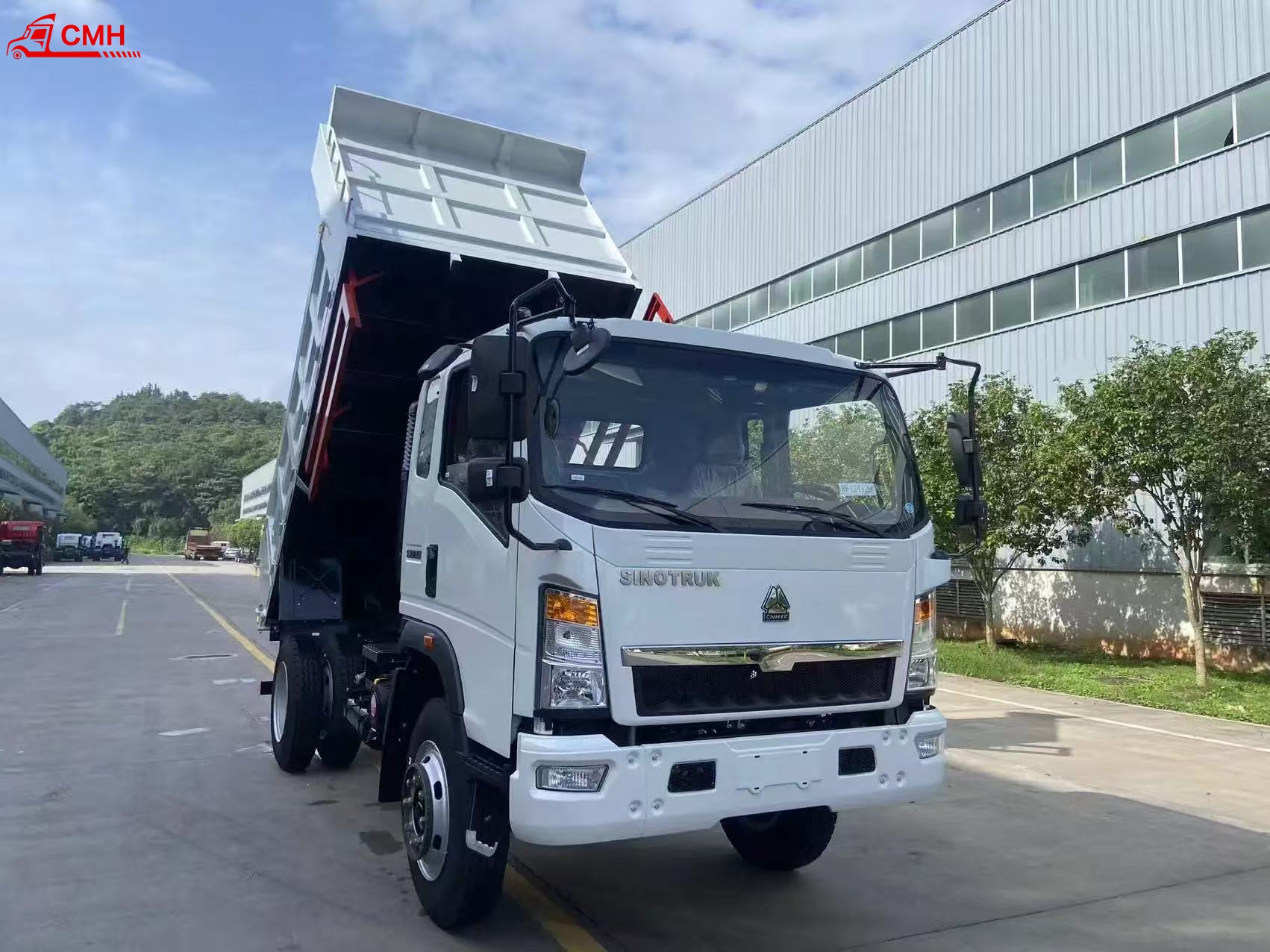
In this environment, a smaller vehicle footprint translates into practical access advantages. Their smaller footprint allows access to parking bays and loading docks that would be inaccessible to medium or heavy trucks. They can navigate multi-story delivery areas, enter restricted low-emission zones more readily, and reduce the time spent searching for a usable unloading position. For a logistics operator running multiple daily urban delivery stops, those minutes accumulate across the fleet.
Capacity versus maneuverability is a genuine trade-off. A larger truck carries more per trip but may not be able to complete the route without detours or delays caused by access restrictions. For short distances with moderate per-trip volumes, the light truck's maneuverability often outweighs the raw capacity advantage of a heavier vehicle.
Payload Suitability for Short-Distance Cargo
Urban cargo delivery and last-mile logistics typically involve mixed consignments: general merchandise, packaged goods, building materials for small sites, food products and consumer parcels. Average B2C shipping weights remain below 5 kg per parcel in many categories, with 78% of B2C parcels originating in urban areas. Even B2B short-distance freight rarely requires the full payload capacity of a heavy commercial vehicle for individual urban runs.
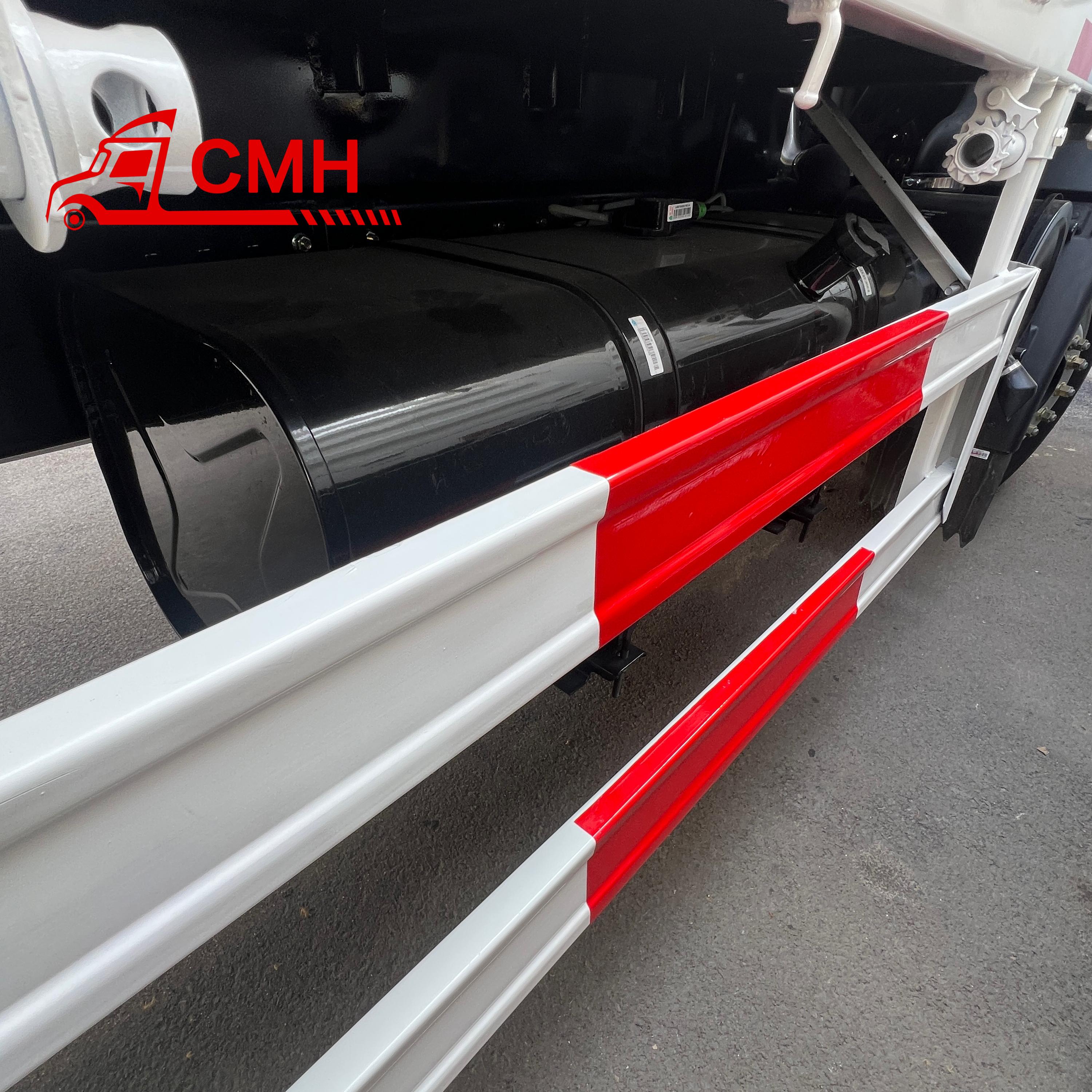
A light truck with a payload capacity of 1,000 to 4,000 kg — depending on model and configuration — covers most short-haul urban and peri-urban cargo needs without the overhead of a larger platform. If the payload requirement is consistent with these ranges and the delivery distance is typically under 50 km per run, the vehicle configuration is likely to fit the task without underutilization.
The capacity question is more specific than it appears:, matching payload to actual load profile and route length is what determines whether a vehicle earns its operating cost on short-distance routes.
Operating Cost Efficiency on Short Runs
Last-mile delivery costs accounted for 53% of total shipping costs in 2023, up from 41% in 2018. This trend makes cost-per-delivery efficiency a central concern for any operator running urban cargo routes. Light trucks present a relevant cost structure for this environment.
On short urban routes, light trucks typically consume less fuel than heavy-duty trucks per kilometer on short urban routes where stop-start driving and low average speeds reduce the efficiency advantage of larger engines. Lower acquisition cost, reduced tire wear and generally lower scheduled maintenance intervals for lower-GVW vehicles contribute to a total cost picture that can favor the lighter platform when the mission is genuinely short-distance urban delivery rather than long-haul freight.
A lower initial price does not by itself answer the operating-cost question. The relevant comparison includes maintenance access, driver licensing requirements, and whether the vehicle earns consistent utilization on the actual route profile. For operators running urban delivery routes daily, initial cost versus full-lifecycle service access is the more useful framing.
Driver and Operational Practicality
Light trucks in most markets can be operated under standard commercial driving licenses, without the additional endorsements required for heavier commercial categories. This reduces recruitment complexity and expands the pool of qualified drivers for urban delivery positions — a practical operational consideration for fleets that turn over drivers regularly or operate in markets where heavy-vehicle license holders are scarce.
Urban freight delivery demand is growing. Forecasts indicate that delivery vehicles in cities could increase by more than 60% globally by 2030, driven by continued e-commerce expansion. For operators entering or scaling urban delivery operations, establishing the right vehicle class early in the fleet planning process avoids the downstream cost of operating oversized vehicles on routes where they cannot function efficiently.
Route and Configuration Verification Before Committing
A standard light truck configuration may not suit every route. Before treating the general category as a confirmed solution, evaluate the specific operating parameters: the typical load per delivery run, the access conditions at customer sites, the daily distance range and the nature of the cargo — refrigerated, hazardous, fragile or standard dry freight all affect the body and equipment requirements.
Light commercial vehicles are specifically designed for short distances and last-mile delivery in the way that heavy trucks are designed for long-haul freight. If your delivery operation involves multiple stops per day within urban or peri-urban areas with consistent moderate payloads, the light truck category is worth a detailed configuration review. If you are considering specific models for cargo delivery operations in Africa or developing market environments — where road conditions and service infrastructure vary significantly — confirm configuration suitability against the actual deployment context before finalizing a specification.
Conclusion
If payload requirements fall within the light commercial vehicle range, routes are predominantly short-distance urban or peri-urban, and operating conditions favor maneuverability over raw carrying capacity, the light truck offers a coherent fit: smaller footprint for access, moderate payload for typical urban cargo volumes, and a cost structure suited to high-frequency short-run operations. The useful starting point is verifying route conditions and actual per-trip payload against the specific configuration before committing to a vehicle class decision.