 EN

Quomodo Systema Pumpae Camionis Cisternae Olei Transferit Combustibile?
An camionem oleum est plus qu’un réservoir sur un châssis. Pendant la livraison, il devient une station de transfert contrôlée : le carburant quitte un compartiment de réservoir sélectionné, parcourt un trajet d’aspiration protégé, traverse une pompe et des équipements de distribution, puis entre dans le réservoir de réception du client. Comprendre cette séquence aide les gestionnaires de flotte à spécifier le bon système de pompe à carburant , à former les opérateurs et à détecter les problèmes avant qu’une livraison ne soit interrompue.
La disposition exacte varie selon le type de carburant, l’agencement des compartiments, la réglementation locale et le dispositif de mesure. Toutefois, la logique de fonctionnement reste constante. Un camion-citerne bien configuré achemine le produit selon un parcours fermé et délibéré, tandis que l’opérateur contrôle le débit, évite toute contamination croisée et gère les risques liés aux charges électrostatiques et aux déversements.
Le parcours de transfert : du compartiment au réservoir de réception
Imaginez le système comme une chaîne. Une rupture, une restriction, une fuite d’air ou une vanne mal positionnée à n’importe quel endroit de cette chaîne peut réduire le débit ou créer une condition dangereuse. Le trajet typique est le suivant :
- Cameram et foramen effluentis: Combustibile in uno aut pluribus cameris servatur. Operator eligit cameram rectam et tantum valvulam internam aut externam effluentis aperit.
- Tubus succens et crivellum: Productus in tubum succens intrat. Crivellum aut filtrum in parte succens detinet fragmenta antequam ad pompam perveniant.
- Pompa autocisternae olei: Pompa differentiam pressionis creat quae combustibile ex camera trahit et in partem distributionis impellit. Multae systemata autocisternarum viarum pompas displacementis positivae utuntur, quia fluxus regi potest et bene cum instrumentis mensurandi operatur.
- Mensurator, eliminans aeris, et controlla: Ubi adpositum est, eliminans aeris adiuvat ne aer mensuram distributionis distorqueat. Mensurator volumen distributum notat, dum valvulae controllantes fluxum dirigunt.
- Tubus flexibilis, canalis, et punctum recipiens: Combustibile per tubum flexibilem ad cisternam recipientem transit. Operator nivem recipientem observat et fluxum ante superimplenum sistit.
Quid facit autem haec machina
Haec machina non simpliciter «trahit» liquorem. Immo, pressionem in parte aspirationis minuit, ut liquor in machinam ingrediatur; deinde pressionem in parte effluentis auget, ut liquor per metrum, tubum et orificium fluere possit. Magnitudo utiliter generatae pressionis pendet a longitudine tubi, diametro tubi, statu filtrorum, differentia altitudinis, viscositate liquoris, et restrictionibus quae ab iuncturis vel partim clausis valvulis oriuntur.
Antequam PTO vel impellens electricus/hydraulicus adhibetur, operator confirmat viam effluentis apertam esse et cellam electam recte esse. Si machina contra clausam valvulam effluentis agitur, pressio cito crescit in systemate quod ad hanc conditionem non est paratum. Si autem sine liquore agitur, signacula laedi possunt aut calor nimius generari. Haec sunt principia operativa, non autem loco limitum operationis a fabricante machinae praescriptarum.
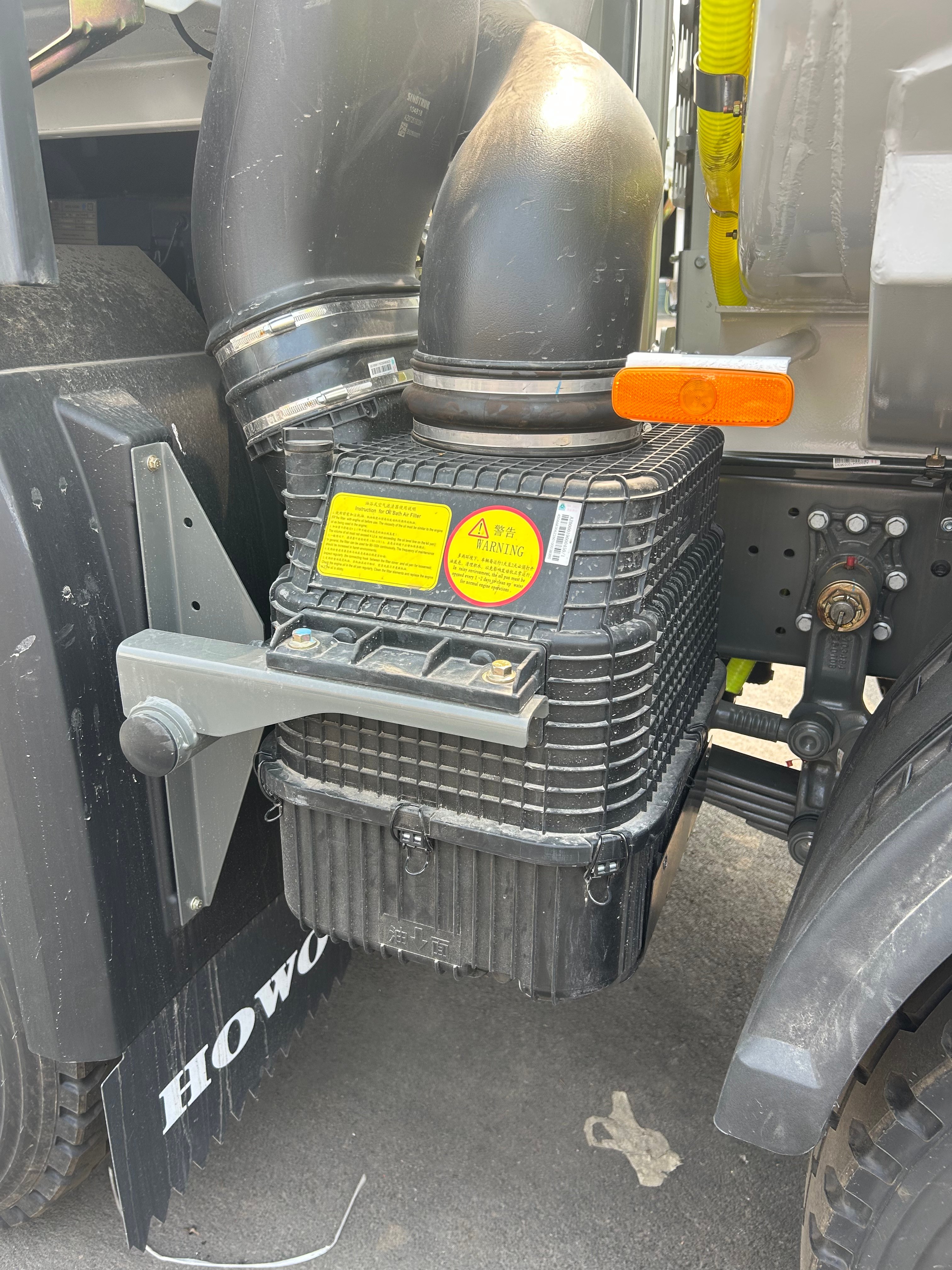
Praecipua instrumenta autocisternae quae transferentem liquorem regere permittunt
Valvulae cellarum et tubus communis
In a multi-compartment oil tank truck, valves enable the driver to isolate fuel grades or delivery volumes. The manifold merges selected flow paths without requiring every compartment to participate in the same delivery. Clear valve labels and a consistent valve-position verification procedure reduce the risk of product mixing.
Filters and strainers
Fuel transfer equipment requires clean flow. A clogged strainer may cause slow delivery, noise, or pump starvation. Service intervals must account for fuel cleanliness and real-world operating conditions; operators must never bypass a protective filter merely to complete a delivery more quickly.
Metering and preset controls
A calibrated meter ensures accountable delivery. Some systems include presets that halt or reduce flow once a programmed volume is reached. Even with automation, the driver remains responsible for monitoring the delivery, as receiving-tank capacity, hose condition, and site access vary from one stop to the next.
Hose reel, nozzle, and emergency shutoff
The hose and nozzle are the final control point. A suitable reel protects the hose during travel, and an accessible emergency shutoff lets the operator stop a transfer quickly. Inspect couplings, seals, and hose surfaces before use; abrasion, swelling, or a damaged coupling deserves attention before pressurizing the line.
A practical fuel transfer sequence
- Park on stable ground, set the vehicle secure, and assess traffic, ignition sources, drainage, and the receiving tank.
- Confirm the product grade, customer tank, available receiving capacity, and the intended compartment on the oil tank truck.
- Use the site’s required bonding and grounding procedure before transfer of flammable products. Make sound metal-to-metal connections as required by the applicable operating procedure.
- Inspect the delivery hose and nozzle, position spill-response equipment, then align valves for the selected route.
- Initiate the fuel pump system at a controlled speed. Check for leaks, abnormal vibration, unstable flow, or unexpected meter behavior.
- Remain at the transfer point. Monitor the receiving tank and delivery equipment throughout the transfer; do not leave an active nozzle unattended.
- Stop the oil tanker pump, close valves in the specified sequence, relieve hose pressure safely, drain or stow the hose as required, and document the delivery.
Common transfer problems and first checks
| Signum | Likely area to inspect | Practical first action |
|---|---|---|
| Low or uneven flow | Suction strainer, air leak, valve position, hose restriction | Stop the transfer if conditions are abnormal; verify valve lineup and inspect the strainer and connections. |
| Pump noise or loss of prime | Air entry on suction side or insufficient product at pickup | Check couplings, gaskets, and compartment outlet position before restarting. |
| Meter reading appears inconsistent | Air elimination, meter condition, operating procedure | Follow the meter manufacturer’s verification process; do not adjust records casually. |
| Unexpected pressure rise | Closed discharge, blocked hose, incorrect valve alignment | Stop the pump and isolate the system according to the operating procedure. |
How to specify a pump system for your route
When choosing tanker equipment, start with the product and delivery pattern rather than a headline flow rate. Ask how many compartments are required, which fuels will be carried, typical hose reach, expected delivery volume, desired metering accuracy, power source, and the service support available on the route. A system sized for short depot transfers may not suit repeated remote deliveries with long hose runs.
Ad importatores et operatores factionum qui logistici, constructionis viarum, operum municipalium, aut transportis agricolarum serviunt, quaestio practica est utrum completa configuratio autocamionis cum cisterna olei ad conditiones locales operationis congruat. JINAN CMHAN TRUCK SALES CO.,LTD. suppeditat autocamiones, semitractores, et instrumenta constructionis pro mercatus in Africa, America Meridionali, et Asiae Sudorientalis. Disputatio de gradu carburantis, dispositione compartimentorum, consuetudine distributionis, et necessitatibus localibus conformitatis ante ordinandum adiuvat ad specificatio utilem definendam sine assumptione quod unum pachetum pompae ad omnem viam conveniat.
Summa Conclusio
Un transfert de carburant securizat depende de un tractus disciplinat: compartimentu corectu, ruta de aspirare netta, pompă de camionu de ulei compatibilis, contor et tubu controlatus, et operatoru chi manet cum distributio. Tene sistemam de pompas de carburant in bonu statu, sequere proceduras fabricantis et loci, et tracta ligaturam, allineamentum valvularum, et capacitatem tanki recipientis ut controllus ante transfertum omni tempore. Hoc modus protegit productum, instrumenta, et homines dum tenet camionem pro tankis olei productive in viis realibus de distributio.