
 EN

Quomodo Semitrailer Ad Tractorem Autocamionem Connectitur?
Asemi Trailer non portat su proprium axem anteriorem. In loco, eius pars anterior sustinetur a trahente per coniunctionem rotulae quintae. Haec simplex dispositio est fundamentum coniunctionis inter tractorem et rimorchium, sed solum tunc secure operatur cum gubernator unitates alignat, clausuram confirmat et lineas servitii in ordine recto connectit.
Pro operatoribus turmarum, dominis qui ipsi vehicula regunt, et emptoribus qui instrumenta ad opus frumentarium specificant, intellectus ordinis coniunctionis iuvat in instructione gubernatorum, inspectionibus quotidianis et electione systematis semi-rimorchii compatibilis. Partes sunt robustae, sed coniunctio pendet ex paucis inspectionibus quae lento et deliberato cursu exiguntur.
partes quae coniunctionem efficere faciunt
Conexio mechanica incipit ab rota quinta trahentis: lamina coniunctionis lubricata et fissurata, quae super axones tractantes montatur. In parte anteriori inferiori semitraileris est pinus regius. Cum trahens retrorsum movetur sub semitrailero, pinus regius in fauces rotæ quintæ ingreditur et mandibulæ cludentes eum circumdant. Rota quinta itaque partem ponderis onerati semitraileris sustinet, dum trahens et semitrailer permittere possunt ut circa curvas vertantur.
- Kingpin: pinus induratus in semitrailero quem rota quinta tenet.
- rota quinta et mandibulæ cludentes: coniunctio in trahente montata quæ pinum regium recipit et firmat.
- Landing Gear: sustinet partem anteriorem semitraileris immobilis ante coniunctionem et post disiunctionem.
- lineæ aeris: typice coniunctiones servitii et suppeditationis quæ functiones frenorum semitraileris operantur.
- conector electricus: signa luminis portat et, ubi provisus est, alia signa semitraileris.
Although the terms are often used together, the fifth wheel coupling is only one part of the full system. A reliable tractor trailer connection also requires the right trailer height, compatible coupling hardware, intact air and electrical connections, and a deliberate verification routine.
Prepare the semi trailer before backing in
Start on firm, reasonably level ground whenever conditions allow. Secure the tractor, inspect the fifth wheel for obvious damage or contamination, and make sure its surface is appropriately lubricated according to the equipment maker's guidance. Look at the locking mechanism as well: it should be open and ready to receive the kingpin, not partially closed.
Next, inspect the semi trailer. The kingpin should not show obvious bends, cracks or severe wear. Check the apron area around it, the landing gear and the front of the trailer for visible damage. Confirm the trailer is high enough for the fifth wheel to lift it slightly as the tractor backs underneath. If the trailer is too low, the tractor can strike the trailer frame instead of sliding under it; if it is too high, the kingpin may not seat correctly in the jaws.
Before moving, verify the trailer is secured against unintended rolling and clear people from the coupling zone. Keep people out of the space between the tractor and semi trailer during the final approach.
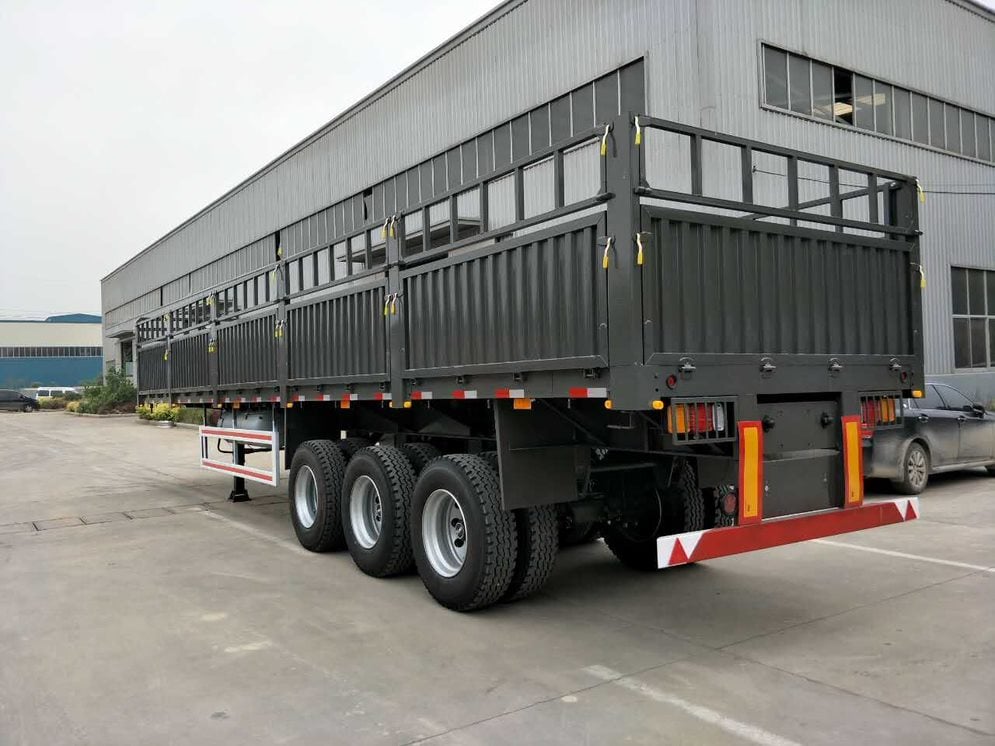
Step-by-step fifth wheel coupling
- Align the tractor. Position the tractor straight in front of the trailer so the fifth wheel lines up with the kingpin. A straight approach reduces side loading and makes the lock easier to inspect.
- Reverse slowly under the trailer. Recedere ad ritmum regulatum. Rota quinta debet tangere apronem trailer et sub eum glissare dum trailer levatur parum ut pondus de gear landing tollatur.
- Auscultare et sistere post coniunctionem. Mandibulae cludentes debent circumire kingpin. Sonum solum non accipere ut probatio coniunctionis perfectae.
- Bracchium tractoris applicare et inspicere. Exire tantum cum tutum est. Intueri in aperturam fifth-wheel et confirmare mandibulas plene circumire kingpin et manubrium liberationis in positione clausa esse. Sequi instructiones specificas fabricatoris tractoris et fifth-wheel pro inspectione visuella.
- Faciere experimentum trahendi regulatum. Cum frenis trailer applicatis, leniter trahere ante contra coniunctionem. Hoc est gradus confirmationis, non substitutum pro inspectione visuella.
- Coniungere lineas. Adiungere lineas aeris et coniunctionem electricam sine flexionibus, attritione aut laxitate nimia. Confirmare lineas non impingere durante conversione.
- Levare et firmare gear landing. Only after the lock is verified should the landing gear be fully raised and secured for travel.
Finish the trailer operation check
Coupling is not complete when the kingpin locks. Build a short trailer operation walk-around into the routine. Check that air connections are seated, the electrical plug is engaged, and the lines are supported rather than dragging. Test trailer lights and brake response according to local operating rules. Check that doors, body locks and load restraints are secure for the trailer type in use.
On a new route, after servicing the vehicle, or after a hard coupling, take extra time to look for leaks, unusual clearance or damage around the fifth wheel. A semi trailer system is designed to articulate, so some movement is normal; unusual play, a loose release handle or visible damage is not. Stop and have a qualified technician assess any concern rather than trying to compensate with an improvised repair.
Common coupling mistakes to avoid
The most preventable problems occur when a driver assumes the connection is complete too early. A high hook can happen when the trailer sits too high and the kingpin does not enter the jaws correctly. A false lock can happen when the jaws appear to engage but have not fully captured the kingpin. Skipping the visual check, tug test or line inspection turns a small setup error into a road risk.
Other avoidable mistakes include backing at an angle, coupling on unstable ground, raising landing gear before confirmation, and driving with air or electrical lines crossed, pinched or unsecured. Training should focus on the sequence, not only on speed. The same disciplined method works across dry vans, flatbeds, tank trailers and other semi trailer applications, while the exact equipment checks remain specific to the vehicle manual and local regulations.
A practical checklist for drivers and buyers
| Before coupling | After coupling |
|---|---|
| Inspect fifth wheel, kingpin, apron and landing gear. | Verificare visibilmente le ganasce di bloccaggio e controllare la maniglia di sgancio. |
| Impostare l’altezza corretta del rimorchio e allinearlo in posizione diritta. | Eseguire un test di trazione controllata con i freni del rimorchio applicati. |
| Delimitare e rendere sicura l’area, tenendo le persone lontane dallo spazio intermedio. | Collegare i tubi dell’aria e i cavi elettrici; verificare il funzionamento delle luci e la risposta dei freni. |
| Seguire le procedure indicate dal produttore dell’attrezzatura per trattore e rimorchio. | Alzare i piedi di appoggio e completare un giro di ispezione a piedi prima della partenza. |
Conclusio
Un rimorchio semitrailer si collega a un trattore quando il kingpin del rimorchio è completamente inserito nella quinta ruota del trattore, seguito da verifica dei collegamenti pneumatici ed elettrici. Il processo è semplice, ma non è una scorciatoia: l’altezza corretta, l’allineamento diritto, l’ispezione visiva del bloccaggio, un test di trazione controllata e un’ultima ispezione a piedi sono tutti passaggi essenziali. Per le operazioni logistiche che servono condizioni stradali e di carico diversificate, una procedura di accoppiamento ripetibile tutela persone, attrezzature e tempi di consegna.