
 EN

What Are the Common Tank Designs Used in Oil Tank Trucks?
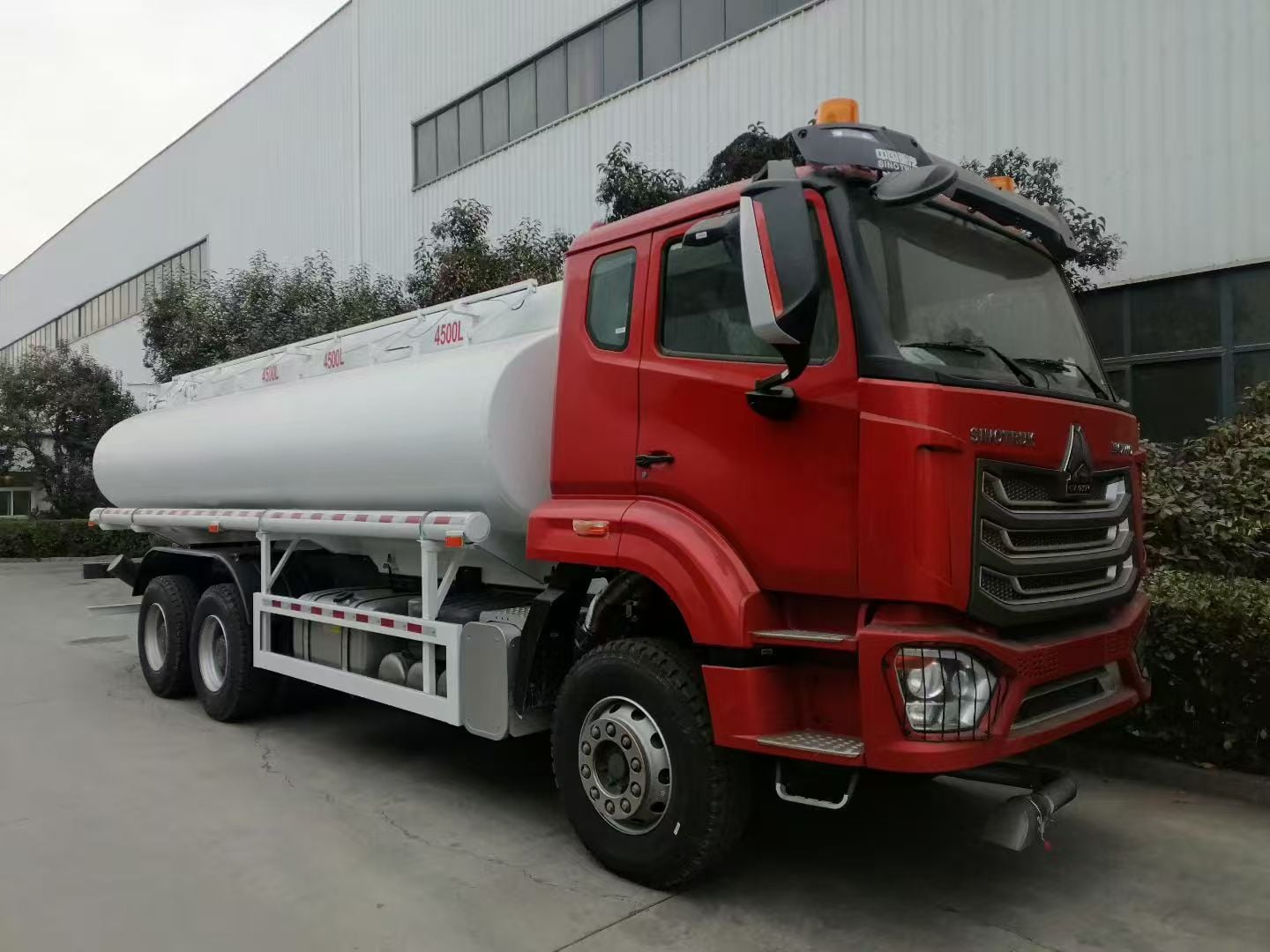
An oil tank truck is more than a chassis with a large vessel attached. The tank shape, internal layout, fittings, and access points all affect what the vehicle can carry, how it behaves on the road, and how easily it can be cleaned or inspected. From a fleet-procurement viewpoint, the first question is not simply “How many liters?” It is: what liquid will move, over which routes, and how will it be loaded and discharged?
In everyday discussion, oil tanker design can refer to the outer shell, internal baffles, compartment bulkheads, or the complete unloading system. These are related, but they solve different problems. A sound specification links the fuel tank structure to the cargo, duty cycle, and safety requirements rather than treating one layout as suitable for every liquid transport task.
Start with the tank cross-section and shell shape
The most recognizable oil tank truck uses a cylindrical or elliptical tank shell. A round section distributes internal pressure efficiently and is familiar in many bulk-liquid applications. An elliptical section can package volume within height and width limits while helping keep the center of gravity practical for the route and chassis. Neither shape is automatically better; axle loading, clearance, capacity targets, and local road limits all matter.
Some tanks use a more rectangular or semi-rectangular profile, especially where packaging volume and body integration are priorities. These designs need appropriate structural reinforcement because flat surfaces respond differently to liquid loads than curved surfaces. End closures also vary. Dished or curved heads help manage stresses at the ends of the shell, while the exact head geometry should be matched to the manufacturer’s approved design and the intended service.
A useful checkpoint is payload distribution rather than nominal capacity alone. A tall, high-volume shell may look efficient on paper, but route cambers, frequent turns, loading level, and chassis geometry determine whether that package suits the actual operation.
Single-compartment tanks for dedicated liquid transport
A single-compartment tanker truck has one main cargo space. It is often considered when a fleet carries one compatible product per trip, such as a dedicated grade of fuel or another bulk liquid. The layout is comparatively straightforward: one shell, one cargo volume, and a loading and discharge arrangement designed around that service.
Its practical advantage is operational simplicity. Cleaning, product-change procedures, and contamination controls may be easier to organize when the tank is dedicated. The limitation is flexibility. If a distributor needs several products on one route, a single large compartment can create partial-load or scheduling constraints. The relevant technical question is whether one product, one delivery pattern, and one unloading routine actually describe the work.
Compartmented tanks for multi-product delivery
Many refined-fuel distribution vehicles divide the shell into two or more compartments using liquid-tight bulkheads. Each compartment can carry a separately managed product or delivery quantity, allowing one oil tank truck to serve multiple stops. A compartmented layout may also help a fleet tailor load quantities to planned drops instead of filling one undivided vessel.
Bulkheads are not the same as baffles. A bulkhead creates a separate cargo space; a baffle is mainly a surge-control device with openings that allow the liquid level to equalize while interrupting forceful fore-and-aft movement. In a multi-compartment fuel tank structure, the specification should clearly identify which internal plates isolate products and which control surge.
Compartment sizes should follow delivery patterns, not just a desire for the maximum number of sections. Very small compartments can add operational complexity, while poorly matched compartment volumes can lead to unnecessary partial loads. Before finalizing a layout, map typical orders, product compatibility, metering arrangements, and the discharge sequence at each stop.
Baffled and unbaffled configurations
Liquid movement is a core design issue for every oil tanker design. When a tank is partly filled, the cargo can surge as the vehicle brakes, accelerates, or changes direction. Baffles are internal plates or structures that interrupt this movement. They are commonly used to reduce fore-and-aft surge and help make the load response more manageable for the driver.
Baffles do not make an oil tank truck immune to slosh or rollover conditions. Side-to-side movement, route geometry, speed, and load level still matter. That is why a specification review should connect internal surge control with driver training, loading practice, and the vehicle’s intended roads. By inspection access, we mean whether those internal and external check points can be reached safely and consistently during the maintenance routine.
An unbaffled tank may be considered for certain dedicated services or where the product and approved tank design call for it. The choice must be made against the applicable rules and the actual cargo service, not copied from a different liquid transport application.
Pressure, vacuum, and insulated tank designs
Not every tank truck carries the same type of “oil.” Refined fuels, lubricants, heavy oils, asphaltic materials, and other liquids can create different temperature, viscosity, vapor, and unloading demands. For this reason, an oil tank truck may be an atmospheric cargo tank, a pressure-rated design, or an insulated configuration. The governing specification depends on the product classification and the regulations that apply in the operating jurisdiction.
Insulation and heating provisions may be relevant when a product must remain within a workable temperature range. However, insulation is not a generic upgrade. It changes inspection access, maintenance work, weight, and cost. Likewise, pressure-relief devices, vents, valves, and emergency shutoff arrangements must be specified for the approved cargo-tank service rather than selected as decorative options.
Key fittings that complete the fuel tank structure
The shell gets the most attention, but fittings determine how the tanker truck performs at the terminal and customer site. Typical elements include top loading or fill openings, manholes or inspection openings, bottom outlets, piping, valves, vents, level-control components, meter connections, and hose-storage arrangements. The exact package depends on the product and delivery method.
Inspection requirements reinforce why these details matter. For regulated cargo tanks, closures, valves, and emergency devices are not minor accessories; their condition and operability are part of safe service. A maintenance-oriented review should ask whether manhole covers can be tightened and inspected, whether valves are protected from damage, and whether routine checks fit the fleet’s service process.
How to choose an oil tank truck design
| Operating question | Design implication |
|---|---|
| Will one compatible liquid be carried per trip? | Evaluate a single-compartment tank and its cleaning or dedication plan. |
| Will several fuels be delivered on one route? | Compare compartment count, compartment volumes, separate discharge paths, and meter setup. |
| Will the vehicle operate on winding or stop-start roads? | Review load distribution, center of gravity, and the approved baffle or surge-control arrangement. |
| Does the product need temperature management or special vapor control? | Confirm the approved pressure, venting, insulation, and unloading configuration for that service. |
| How will the tank be inspected and maintained? | Check access to manholes, valves, piping, protective equipment, and required test points. |
What will the tank truck actually carry, and how will it be unloaded? This direct question usually narrows the design choice faster than starting with a catalog model name. For an oil tank truck used in fuel distribution, also verify the final configuration against local hazardous-material, road, and customer-site requirements before ordering or putting it into service.
Final takeaway
Common oil tank truck designs include single-compartment and compartmented shells, cylindrical or elliptical profiles, baffled arrangements, and service-specific pressure or insulated configurations. The right combination depends on the liquid, route, delivery pattern, and inspection plan. A durable procurement decision treats the tank, fittings, chassis, and operating procedure as one system—then confirms the final design with the applicable manufacturer documentation and regulatory requirements.