 EN

How to Maintain an Aluminum Tank Truck During Long-Term Operation?
An aluminum tank truck is one of the more demanding assets in a long-haul fleet. The material advantages are genuine — aluminum resists corrosion better than carbon steel, weighs less per equivalent volume, and can deliver a service life of 15 to 25 years or more when the maintenance program is consistent. But those gains depend entirely on how the vehicle is cared for over time. Skipping routine checks or delaying service does not save money; it accelerates the problems it was meant to prevent.
The following covers the core maintenance disciplines for aluminum tank trucks in long-term commercial operation — from daily pre-trip checks through scheduled aluminum tanker maintenance and corrosion control practices suited to tropical and high-humidity export markets.
Why the Material Changes the Maintenance Calculus
Compared with steel, aluminum behaves differently under stress, chemical exposure, and temperature variation. It does not rust in the conventional sense, but the surface corrodes when exposed to chlorides, alkaline residues, or dissimilar metals in contact, a condition called galvanic corrosion. Understanding this distinction matters before setting up any maintenance schedule, because the failure modes differ from steel and the remedies are not interchangeable.
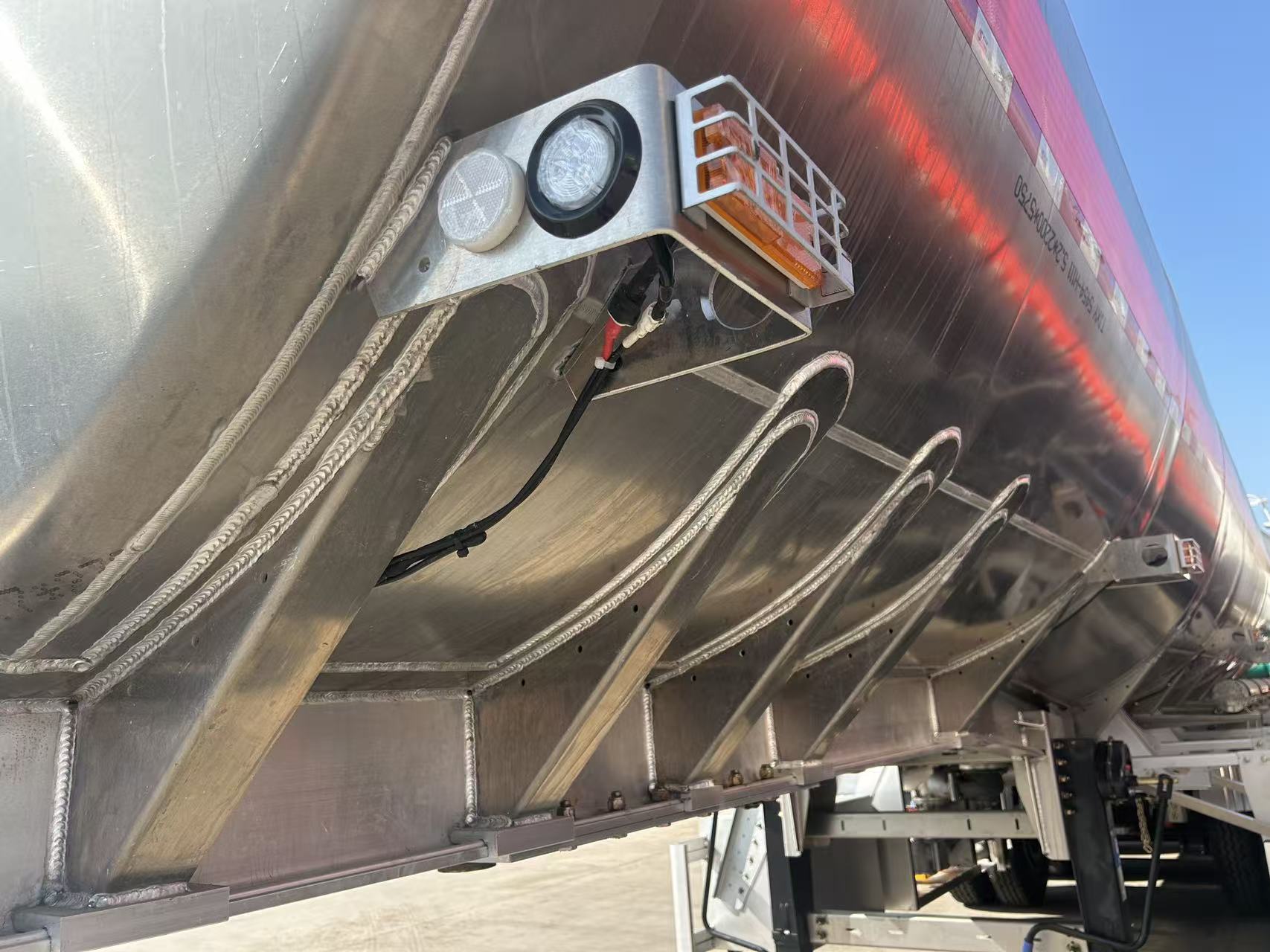
Aluminum also develops fatigue cracks in weld seams if the tank is consistently overfilled, improperly loaded, or operated on rough roads beyond its designed payload. A crack that might be visible on a steel tank within weeks can develop slowly in an aluminum tank and only become apparent during a formal tank inspection that checks under baffles and along seam lines. If the route and payload are stable, that is still not a reason to skip inspection — it is a reason to be systematic about what you are looking for each time.
Construere Programmam Servitii Structuratum
Fleet operators who manage these vehicles successfully tend to use a tiered schedule: daily pre-trip checks, monthly service events, and annual or mileage-based comprehensive inspections. Industry practice suggests internal visual inspection every five years, with a pressure test on the same cycle. At the chassis level, basic service is typically triggered every 10,000 to 15,000 miles, but monthly and quarterly checks layer on top of that mileage-based schedule.
For export market operations, a tiered aluminum tanker maintenance approach typically covers three levels:
Daily Pre-Trip Checks
- Inspect valves, couplings, and fittings for leaks or physical damage. Even a slow drip from a valve seat indicates seal wear that will worsen under load.
- Check the tank exterior for visible dents, cracks, or surface staining that could signal a chemical reaction with the cargo.
- Verify that all manholes and venting systems open and close properly. A stuck vent can create internal pressure that stresses weld seams.
- Confirm that tank mounting brackets and chassis attachment points show no looseness or cracking at the fastener holes.
Monthly Aluminum Tanker Maintenance Events
- Clean the tank interior fully after each cargo type change. Residue left from a previous load can react chemically with the aluminum surface and accelerate degradation.
- Inspect the protective lining or coating inside the tank, if applicable. Bare spots or blistering should be addressed before the next load cycle.
- Check all discharge hose connections and cam-lock fittings for wear. These high-movement parts show fatigue before the tank body does.
- Review pump and PTO operation if the aluminum tank truck includes a transfer pump. Fuel tanker service typically involves pump-based delivery, and pump seals are a common source of gradual leaks.
Annual Tank Inspection and Regulatory Requirements
Pro vehicula commercialia, exigentiae inspectionis annualis cisternae variant secundum iurisdictionem, sed multi mercatus exportationis adhaerent normis quae inspiciendum documentatum post 12 menses calendarium a praecedenti exigunt. Examinatio annua etiam amplectitur ea quae inspectiones quotidianae et mensuales facile attingere non possunt — est tempus ut aestimetur quod inspectiones quotidianae et mensuales facile detegere non possunt: integritas sutorum sub onere, conditio superficiei internae septorum et sumporum, et conditio cingulorum foraminis hominis quae sola apparet cum cisterna plene exinanitur.
Programma examen pressionis in suo ciclo quinquennali, sed non exspecta illud diem si camion cisterna ex alluminio signa distorsionis, sonos insolitos dum implentur, aut lentam decrementum pressionis dum testatur informali. Capere incipientem defectum sutorum cito multo minus constat quam defectus in usu.
Controlus corrosionis per longum tempus
Controlus corrosionis non est tractatio unius temporis — sed pars continua cuiuslibet programatis servitii pro camionibus cisternis ex alluminio. Stratum naturalis oxydum superficiei alluminii praebet protectionem fundamentalem, sed hoc stratum potest laedi per abrasionem mechanicam, expositionem chemicam, aut contactum cum metallis dissimilibus in punctis bracchiorum et fixatorum.
Periculum maxime commune in mercatus exportationis — praesertim in zonis litoralibus, tropicalibus, aut altius humiditatis — est pitting causatus a chloridis. Sal viae, spuma maris prope areas portuum, et agentia purgatoria chlorinata omnia introducunt chlorida quae penetrant stratum oxydum. Responsum vulgare est ut exterior diligenter lavetur post omnem cursum per vias litorales aut salinas, et ut agentia purgatoria intra cisternam usitata sint pH-neutra aut speciatim probata pro contactu cum alluminio.
Ad puncta contactus clavium et braciorum, inspicere deposita pulverulenta alba aut grisea — haec sunt signa prima corrosionis galvanicae, ubi aluminium cum metallo minus compatibili coniungitur. Uso clavium ex aluminium vel ex accipitro inoxidabili ad ista puncta, aut applicatione compositi anti-galvanici ad tempus installationis, periculum notabiliter minuitur. Haec puncta rursus inspicienda sunt ad singulas inspectiones annuas, et compositum rursus applicandum est si eius displatio apparet.
Omnis superficies aluminium nuda, cuius tectum fabricae removit abrasio, saldatura reparativa, aut damnum physicum, statim retegenda est. Area non protecta non statim causat defectum, sed fit punctum infirmius in systemate controulis corrosionis et deteriorat celerius quam materia circumiacens.
Practicae operationales quae vitam utilem prolongant
Maintenance occurs in the workshop, but operational choices determine how much maintenance an aluminum tanker actually needs. A few operating habits disproportionately affect long-term condition:
- Distributio Onus: Consistent overloading on one side accelerates fatigue at the baffle welds. If payload volume varies, distribute it evenly and verify with a loaded weigh-in when the configuration is new.
- Route selection: High-vibration routes — such as poorly surfaced roads or repeated rail crossings — generate cumulative stress on weld seams and chassis mounts. Where the route is fixed, reduce inspection intervals instead of adhering to a standard calendar.
- Cargo compatibility: Not all liquids that can physically enter an aluminum tank truck are safe for aluminum over time. Certain fuel additives, cleaning chemicals, and agricultural fluids may gradually degrade the tank wall if contact duration is long or concentration is high. Confirm cargo compatibility before introducing a new product type.
When to Escalate Beyond In-House Maintenance
In-house tank inspection handles most routine needs. But there are situations where a qualified third-party inspector or the original equipment workshop should be involved: any suspected internal weld failure, an aluminum tank truck that has been in a collision, any cargo spill with extended contact with the tank wall, and the five-year pressure test cycle.
The cost of a qualified inspection is small relative to the cost of an undetected failure during a delivery run. For an aluminum tank truck with a 15-to-25-year potential service life, maintaining a documented maintenance history also supports the vehicle's residual value and simplifies compliance review for the next operator.
Summarium
Tenere in efficienza un autocarro cisterna in alluminio durante un lungo periodo di funzionamento dipende dalla coerenza: controlli quotidiani su valvole e punti di fissaggio, manutenzione mensile della cisterna in alluminio che comprende pulizia e verifica del rivestimento, ispezione annuale della cisterna per verificarne l’integrità strutturale e ciclo quinquennale di prova alla pressione. Aggiungere una procedura specifica di controllo della corrosione adattata all’ambiente operativo, rispettare le linee guida sulla compatibilità con le merci trasportate e affidare a ispettori qualificati gli interventi che superano le capacità interne. Un autocarro cisterna in alluminio sottoposto a questa programmazione di manutenzione offrirà tipicamente durata operativa e affidabilità tali da giustificarne la scelta al momento dell’acquisto.