 EN

How Does Aluminum Alloy Resist Corrosion in Tank Truck Applications?
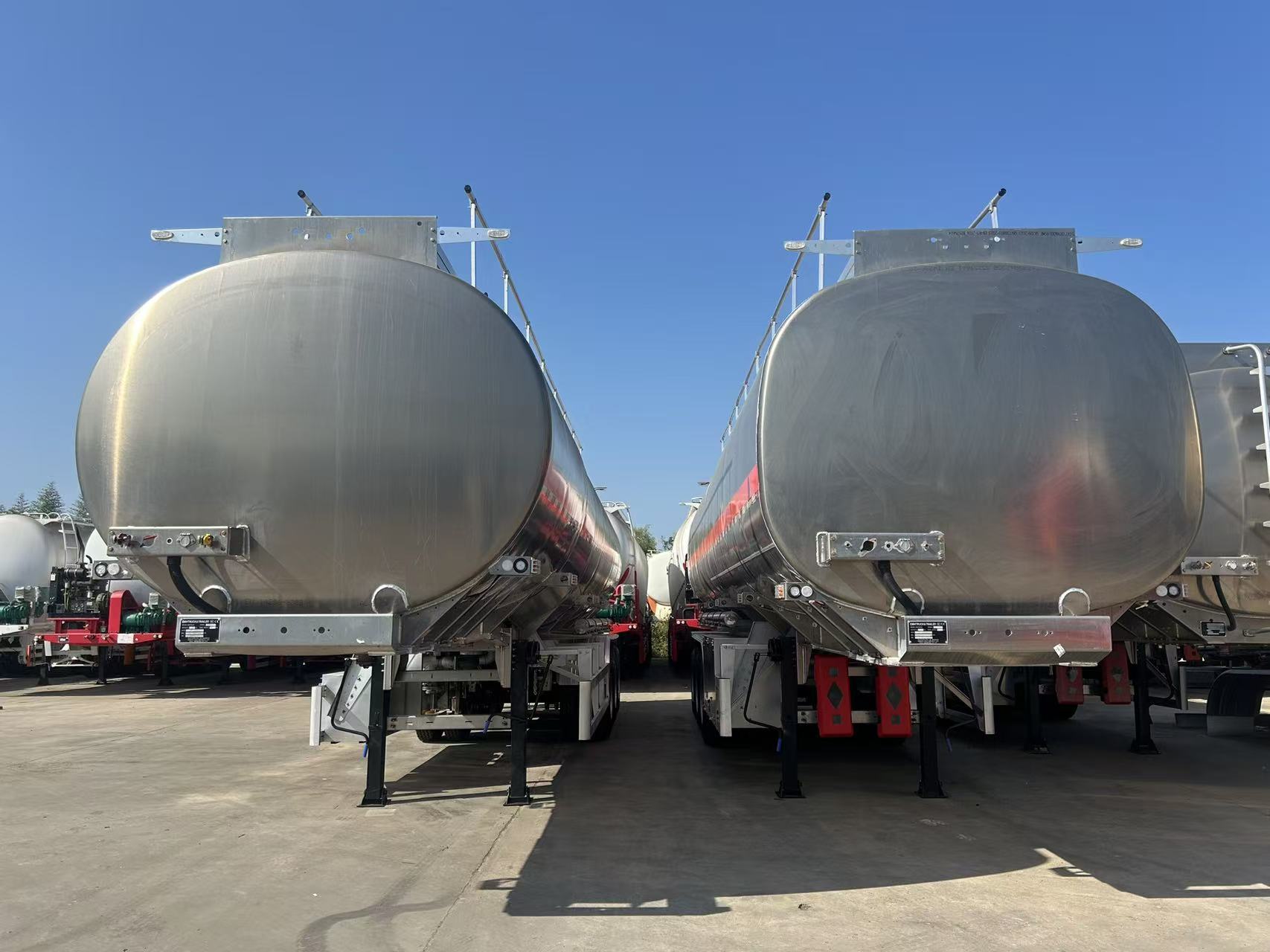
An aluminum tank truck is often considered where low weight and corrosion management both matter. The useful question is not whether aluminum “cannot corrode.” It can. The more precise question is whether the alloy, fabrication details, cargo, cleaning routine, and operating environment allow its protective surface to keep doing its job. From a commercial-vehicle selection perspective, that distinction helps a fleet compare a tank material against its actual load and route rather than against a broad material reputation.
The starting point: a thin oxide film
When fresh aluminum is exposed to air, its surface rapidly develops a thin, adherent aluminum-oxide film. This film separates much of the base metal from the surrounding environment and is the first reason an aluminum alloy tank can offer useful corrosion resistance. If the film is lightly damaged in a suitable environment, it can reform. That is valuable in day-to-day service, but it is not a promise that every scratch, spill, salt deposit, or chemical residue is harmless.
A practical way to view the film is as a passive barrier with conditions. It performs differently when cargo composition, moisture, temperature, deposits, and joint design change. For an aluminum tank truck, corrosion control therefore starts before the vehicle enters service: specify a suitable alloy and confirm the intended cargo with the tank builder and applicable transport requirements.
Alloy selection and cargo compatibility come before the corrosion claim
“Aluminum” is not one material specification. An alloy’s composition, temper, welding response, and service exposure affect its behavior. The tanker material decision should be documented against the cargo and operating envelope, including concentration, temperature, possible contaminants, loading frequency, dwell time, and cleaning chemicals. A material can be suitable for one refined product or non-aggressive liquid yet unsuitable for another chemical service.
This is especially important for a fuel tanker. Fuel grade, water contamination, additives, and the cleaning method may all change the exposure. Do not infer compatibility from a generic alloy name or from another fleet’s application. Ask the manufacturer for the material and weld procedure documentation that applies to the proposed cargo, then align that information with the relevant local regulations and customer requirements.
Do not overlook galvanic couples
Aluminum can face localized attack when it is electrically coupled to a dissimilar metal in the presence of an electrolyte such as salty water. Fasteners, brackets, valves, repairs, and trapped moisture are common places to check. Isolation methods, drainage, compatible hardware, and coating practices should be reviewed as a system. A useful checkpoint is inspection access; before deciding, relate it to the actual loading, unloading, and wash-down routine.
Fabrication details protect the passive surface
Corrosion resistance is not determined by plate material alone. Welding, forming, surface contamination, crevices, and poorly drained seams can create areas that deserve more attention. Fabrication controls should aim for clean joints, appropriate filler selection, smooth transitions where practical, and removal of contaminants introduced during manufacture or repair. Heat from welding can change local material conditions, so a repair should follow an approved process rather than a convenient field shortcut.
Design also matters. A pocket that holds rinse water, road salt, or product residue can keep the surface wet longer than an open, drainable area. That is the specification side; the next question is how it behaves in the daily routine. Access covers, supports, ladder attachments, valve zones, and underside areas should be included in the inspection plan rather than treated as afterthoughts.
Cleaning is part of corrosion management
Cleaning should remove residues without creating a new compatibility problem. Start with the cargo changeover procedure and the tank manufacturer’s instructions. Avoid assuming that a stronger cleaner is a better cleaner: some highly alkaline or otherwise aggressive products may not be appropriate for an aluminum alloy tank. Verify cleaner concentration, contact time, rinse quality, water quality, and temperature for the specific application.
- Remove cargo residues promptly according to the approved cleaning procedure.
- Rinse thoroughly where the procedure calls for it, then prevent standing water in low points.
- Keep chloride-bearing road spray, deposits, and wet debris from accumulating around supports and joints.
- Use only approved tools and repair materials so embedded contamination is not introduced.
- Record unusual spills, off-spec cargo, or cleaning deviations for maintenance follow-up.
What to inspect on an aluminum tank truck
Routine inspections help identify conditions that can defeat the oxide film before they become a larger maintenance event. Look for discoloration, pitting, blistering, white corrosion products, damaged coatings where used, wet crevices, loose isolators, and changes around welded or bolted attachments. Inspect drain paths and check whether wash water or road grime is being retained.
The inspection interval should reflect the cargo, climate, wash-down exposure, and route. Coastal or de-icing-salt exposure may justify closer attention than a dry, stable route. It is not simply a material issue; more precisely, exposure and maintenance practice both matter. If a concern appears, identify the mechanism before choosing a repair, because grinding or coating over an unresolved compatibility issue may only hide it.
A practical selection and care checklist
- Define the cargo, its concentration, temperature range, additives, and cleaning chemicals.
- Confirm the proposed alloy, temper, weld system, and accessories with the tank manufacturer.
- Review joints, dissimilar-metal interfaces, drainage, and access for inspection.
- Set a written cleaning and rinse procedure that matches the cargo and material.
- Train operators to report spills, standing water, coating damage, and unusual surface changes.
- Use inspection findings to adjust the maintenance interval instead of relying on a fixed generic schedule.
Conclusion
An aluminum tank truck resists corrosion primarily because its surface forms a protective oxide film, but the film is only one part of the system. A suitable aluminum alloy tank, verified cargo compatibility, careful fabrication, compatible cleaning, drainage, and routine inspection all work together. If corrosion resistance is your priority, evaluate the actual cargo and exposure first, then obtain the tank builder’s application-specific confirmation before finalizing the tanker material.