
 EN

Aluminum Tank Trucks Offer a Lightweight Option for Certain Liquid Cargo Applications.
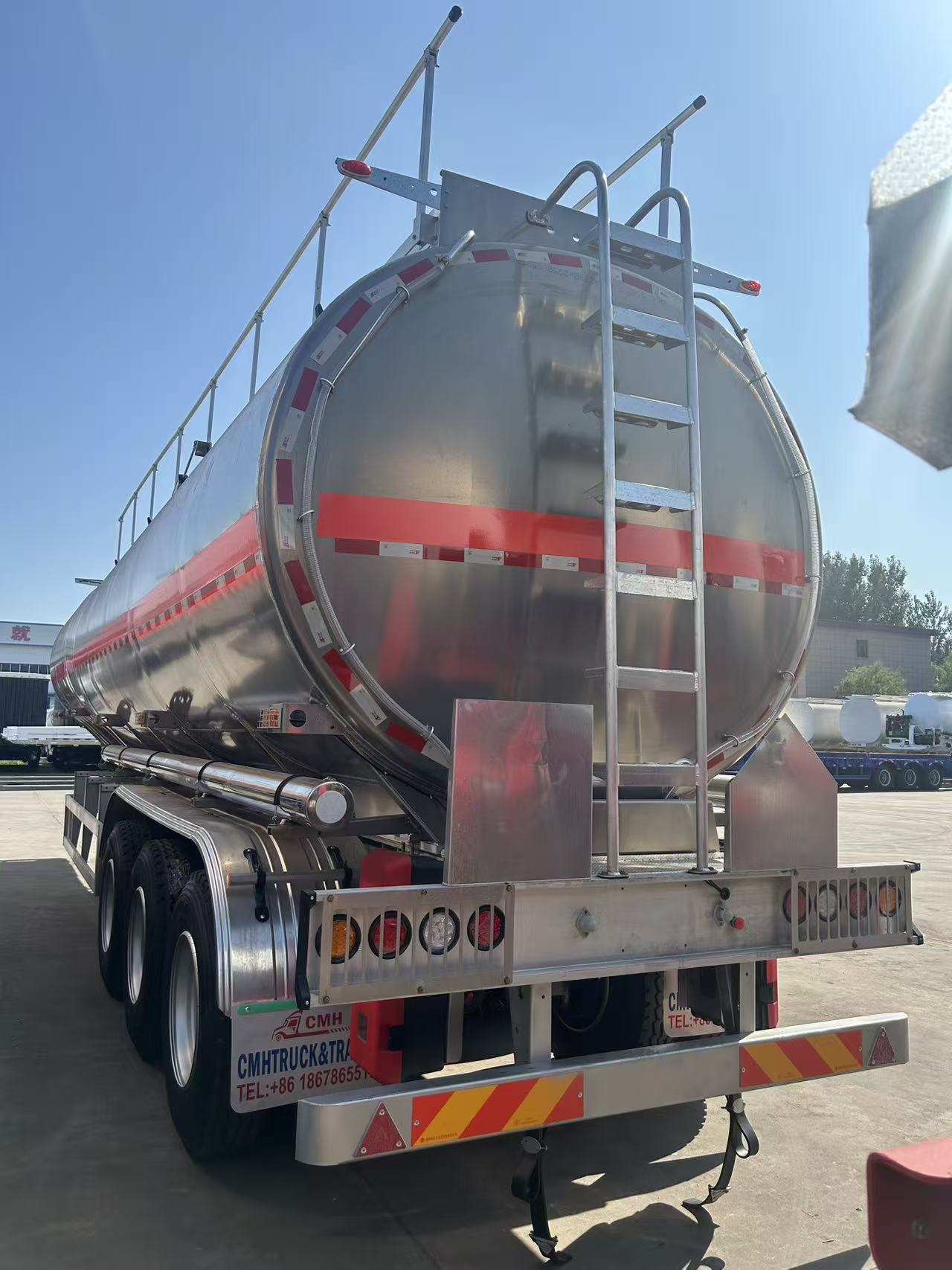
For a fleet manager, an aluminum tank truck is not simply a lighter version of every other tanker truck. It is a decision about material and daily duty cycle. Lower tare weight can leave more of the legal gross vehicle weight available for product, but that advantage matters only when the liquid, tank design, route, loading pattern, and applicable regulations all fit the specification. The most useful question is not “Is aluminum better?” It is “Is this aluminum tank truck appropriate for this cargo and operating plan?”
Why tare weight matters in liquid cargo transport
Every kilogram carried by the chassis, tank shell, compartments, fittings, and accessories consumes part of the gross weight allowance. Where payload is weight-limited rather than volume-limited, a lighter tank can give operators more room for saleable liquid. That is the core appeal of a lightweight tanker: it may improve payload planning without changing the basic delivery route or customer stop pattern.
The gain depends on the operation. A short route carrying a low-density liquid may fill the tank by volume before it reaches its weight limit, so a lower tare weight may have little commercial effect. A dense liquid, longer haul, or route governed tightly by axle and gross-weight limits can make tare weight more important. Dispatch teams should compare loaded axle weights, not only the empty vehicle weight shown on a brochure.
Aluminum also resists ordinary rust, which can be helpful in wet operating environments. However, corrosion resistance is not the same as universal chemical compatibility. Product compatibility, cleaning chemistry, temperature, and contamination control must all be reviewed for the actual liquid cargo transport task.
Where an aluminum tank truck can make sense
An aluminum tank truck is frequently considered for petroleum-related, non-pressurized service where payload efficiency and corrosion resistance are practical priorities. Other compatible liquids may follow the same logic, but the tank builder must confirm the complete specification. In these cases, lower tare weight can be useful for fleets that repeatedly run near regulated weight limits and make enough trips for small payload improvements to compound over time.
Do not confuse a cargo tanker with an aluminum fuel tank mounted as an auxiliary fuel reservoir on a truck. Search results often blend these products together, but they solve different problems. An auxiliary tank stores vehicle fuel; a cargo tank carries product for delivery and needs the appropriate tank design, fittings, loading system, safety equipment, inspection plan, and legal approval for its service.
A practical fit often has these characteristics:
- the cargo is confirmed compatible with the selected aluminum alloy, seals, valves, and interior configuration;
- the route is commonly weight-limited, making lower tare weight commercially relevant;
- the required tank is non-pressurized or otherwise engineered for the correct duty;
- the loading, unloading, and wash-down process does not create an unreviewed corrosion or contamination issue; and
- local transport rules, axle limits, and inspection requirements are built into the purchasing decision.
 Suitability constraints that deserve equal attention
Material selection starts with cargo chemistry, not with payload. Some chemical, food-grade, high-temperature, or highly corrosive applications may call for stainless steel, lined equipment, or another construction. Pressure service is another separate issue. A tank that is appropriate for atmospheric petroleum delivery is not automatically appropriate for compressed gas or high-pressure work.
Operators should also examine the whole assembly. Baffles, compartments, manholes, ladders, hose trays, pumps, meters, insulation, and fire-safety equipment influence weight distribution and serviceability. An aluminum tank truck specification should include an axle-weight estimate at typical fill levels, not just a nominal capacity. The chassis wheelbase and suspension must support the intended body and route conditions.
Compliance is ongoing, not a one-time purchase event. For example, U.S. rules in 49 CFR 180.407 set testing and inspection requirements for specification cargo tanks, including pressure testing when a cargo tank has been out of hazardous-materials transportation service for a year or more. Requirements vary by jurisdiction and cargo, so buyers should verify the rules that govern their operating market and the exact tank specification before ordering.
Aluminum, steel, and stainless: a decision comparison
| Decision factor | Aluminum option | What to verify |
|---|---|---|
| Payload potential | Lower tare weight may help on weight-limited routes. | Calculate gross and axle weights with the actual liquid density. |
| Corrosion behavior | Good resistance to ordinary rust. | Confirm alloy, fittings, cleaning chemicals, and cargo compatibility. |
| Typical fit | Often considered for compatible petroleum-related liquid deliveries. | Confirm non-pressurized versus pressure-service requirements. |
| Alternative materials | Steel or stainless may better fit other duties. | Compare chemical resistance, hygiene, repair support, and lifecycle cost. |
This is why a lighter tanker truck is a conditional advantage. If the operation is volume-limited, if the liquid is incompatible, or if a stronger corrosion-control solution is required, selecting aluminum solely for tare weight can be the wrong trade. A balanced comparison is more useful than treating one material as the answer for every fleet.
A practical selection checklist
- Define the cargo precisely. Record product name, density range, temperature, additives, cleaning method, and any cross-contamination restrictions.
- Map the duty cycle. Note typical payload, route distance, road conditions, loading points, delivery frequency, and permitted gross and axle weights.
- Request a configuration-level weight calculation. Include the chassis and every accessory, not only the bare tank.
- Check material compatibility in writing. Ask the tank manufacturer to confirm the intended service, including seals and valves.
- Match the tank to the governing standard. Review the correct local requirements for the cargo and market before purchase.
- Plan inspection and repair access. A tank that saves weight but is difficult to inspect, clean, or support in the operating region can raise downtime costs.
Questions to ask before specifying the truck
Ask whether the fleet is constrained by payload weight or by tank volume. Ask which liquid will be carried most often, rather than designing around an occasional load. Ask for a clear statement of what the tank is designed to carry, what it should not carry, and what inspection schedule applies. Finally, ask how the completed tanker truck will be supported after delivery, especially when it operates across long distances or in multiple markets.
CMHAN serves logistics and transport-oriented customers with truck and equipment solutions for varied operating environments. For buyers comparing a lightweight tanker concept with other configurations, the useful next step is a documented application review: cargo, route, legal weight limits, chassis, tank specification, and service plan in one discussion.
The bottom line
An aluminum tank truck can be a smart liquid cargo transport option when reduced tare weight supports a compatible, weight-limited delivery operation. It is particularly worth evaluating for suitable fuel and petroleum duties, but it is not a universal substitute for steel, stainless, lined, or pressure-rated equipment. Treat the material as one part of a complete specification. When cargo compatibility, load distribution, compliance, and service needs are verified together, a lightweight tanker can support a more efficient and more defensible fleet decision.