
 EN

Aluminum Tank Trucks Offer a Lightweight Option for Certain Liquid Cargo Applications.
Pro un gerente de flota, un camion cisterna ex aluminio non est simpliciter versio levis de omni alio camion cisterna. Est decisio circa materiale et cyclum diurnum de officio. Minor pondus tare potest relinquere plus de legali pondere brutto vehiculi disponibile pro merce, sed istud vantagium solum importat ubi liquide, designatio cisternae, itinerarium, modus onerandi, et regulamenta applicabiles omnia conveniunt cum specificatis. Quaestio maxime utilis non est « Aluminium melius est? », sed « Hic camion cisterna de aluminium est aptus pro hac merce et hoc plano operativo? »
Cur pondus tare importat in transporto merce liquide
Omnis kilogramma portatum a chassio, conchula cisternae, compartimentis, fixationibus, et accessorii consumit partem allowance ponderis brutti. Ubi onus est limitatum per pondus potius quam per volumen, cisterna levis potest dare operatoribus plus spatii pro liquido vendibili. Hoc est attractio principalis de lightweight tanker : it may improve payload planning without changing the basic delivery route or customer stop pattern.
The gain depends on the operation. A short route carrying a low-density liquid may fill the tank by volume before it reaches its weight limit, so a lower tare weight may have little commercial effect. A dense liquid, longer haul, or route governed tightly by axle and gross-weight limits can make tare weight more important. Dispatch teams should compare loaded axle weights, not only the empty vehicle weight shown on a brochure.
Aluminum also resists ordinary rust, which can be helpful in wet operating environments. However, corrosion resistance is not the same as universal chemical compatibility. Product compatibility, cleaning chemistry, temperature, and contamination control must all be reviewed for the actual liquid cargo transport task.
Where an aluminum tank truck can make sense
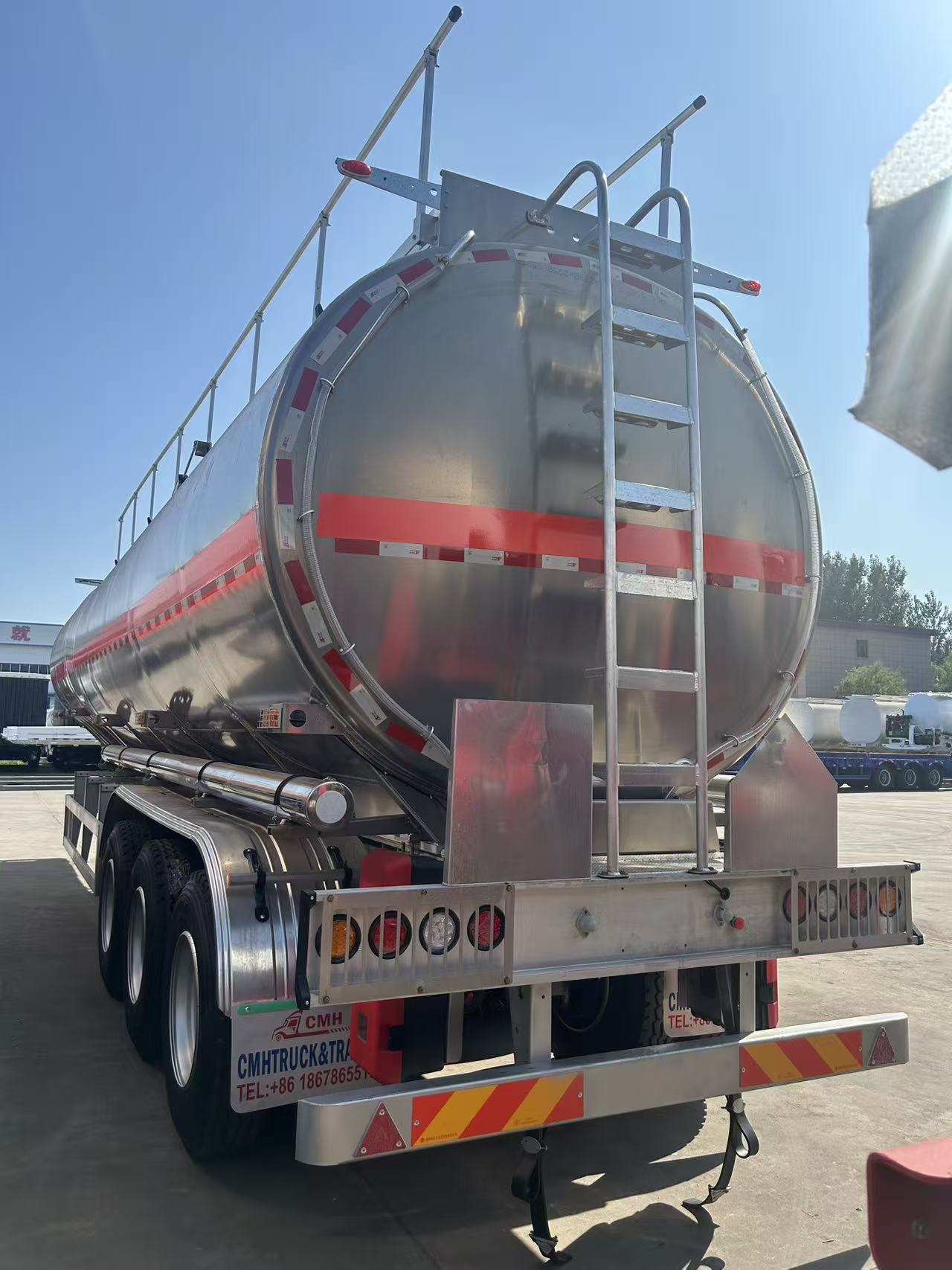
A truck tank made of aluminum is often chosen for petroleum-related, non-pressurized applications where payload efficiency and resistance to corrosion are key practical considerations. Other compatible liquids may follow the same rationale, but the tank manufacturer must verify the full specification. In such cases, a lower tare weight can benefit fleets that regularly operate near legal weight limits and make sufficient trips for minor payload gains to accumulate over time.
Do not confuse a cargo tanker with an aluminum fuel tank mounted as an auxiliary fuel reservoir on a truck. Search results often mix these products, yet they address distinct needs. An auxiliary tank stores fuel for the vehicle itself; a cargo tank transports product for delivery and requires the proper tank design, fittings, loading system, safety equipment, inspection schedule, and regulatory approval for its intended service.
A practical fit typically exhibits these features:
- the cargo is confirmed compatible with the selected aluminum alloy, seals, valves, and interior configuration;
- the route is commonly weight-limited, making lower tare weight commercially relevant;
- the required tank is non-pressurized or otherwise engineered for the correct duty;
- the loading, unloading, and wash-down process does not create an unreviewed corrosion or contamination issue; and
- local transport rules, axle limits, and inspection requirements are built into the purchasing decision.
 Suitability constraints that deserve equal attention
Material selection starts with cargo chemistry, not with payload. Some chemical, food-grade, high-temperature, or highly corrosive applications may call for stainless steel, lined equipment, or another construction. Pressure service is another separate issue. A tank that is appropriate for atmospheric petroleum delivery is not automatically appropriate for compressed gas or high-pressure work.
Operators should also examine the whole assembly. Baffles, compartments, manholes, ladders, hose trays, pumps, meters, insulation, and fire-safety equipment influence weight distribution and serviceability. An aluminum tank truck specification should include an axle-weight estimate at typical fill levels, not just a nominal capacity. The chassis wheelbase and suspension must support the intended body and route conditions.
Compliance is ongoing, not a one-time purchase event. For example, U.S. rules in 49 CFR 180.407 set testing and inspection requirements for specification cargo tanks, including pressure testing when a cargo tank has been out of hazardous-materials transportation service for a year or more. Requirements vary by jurisdiction and cargo, so buyers should verify the rules that govern their operating market and the exact tank specification before ordering.
Aluminum, steel, and stainless: a decision comparison
| Factor de decisión | Aluminum option | Quod Verificandum |
|---|---|---|
| Payload potential | Lower tare weight may help on weight-limited routes. | Calculate gross and axle weights with the actual liquid density. |
| Comportamentum corrosionis | Good resistance to ordinary rust. | Confirm alloy, fittings, cleaning chemicals, and cargo compatibility. |
| Usus typicus | Often considered for compatible petroleum-related liquid deliveries. | Confirm non-pressurized versus pressure-service requirements. |
| Materia Alternativus | Steel or stainless may better fit other duties. | Compare chemical resistance, hygiene, repair support, and lifecycle cost. |
This is why a lighter tanker truck is a conditional advantage. If the operation is volume-limited, if the liquid is incompatible, or if a stronger corrosion-control solution is required, selecting aluminum solely for tare weight can be the wrong trade. A balanced comparison is more useful than treating one material as the answer for every fleet.
Un’elencu practicu de verificas
- Define the cargo precisely. Registra nomen producti, ambitum densitatis, temperaturam, additamenta, methodum purgationis, et quascumque restrictiones contaminationis transversae.
- Mappa cyclum officii. Nota oneris typicum, distantiam itineris, conditiones viarum, puncta onerandi, frequentiam distributionis, et permittas pondera grossa et axium.
- Postula calculationem ponderis ad gradum configurationis. Includere chassim et omnem accessorium, non solum vasculum nudum.
- Verifica compatibilitatem materiae per scriptum. Rogare fabricantem vasculi ut confirmet usum destinatum, inclusis sigillis et valvulis.
- Adaptare vasculum ad normam regentem. Recense uti requiruntur localiter pro merce et mercato antequam emas.
- Plana accessum ad inspectionem et reparationem. A tank that saves weight but is difficult to inspect, clean, or support in the operating region can raise downtime costs.
Questions to ask before specifying the truck
Ask whether the fleet is constrained by payload weight or by tank volume. Ask which liquid will be carried most often, rather than designing around an occasional load. Ask for a clear statement of what the tank is designed to carry, what it should not carry, and what inspection schedule applies. Finally, ask how the completed tanker truck will be supported after delivery, especially when it operates across long distances or in multiple markets.
CMHAN serves logistics and transport-oriented customers with truck and equipment solutions for varied operating environments. For buyers comparing a lightweight tanker concept with other configurations, the useful next step is a documented application review: cargo, route, legal weight limits, chassis, tank specification, and service plan in one discussion.
Conclusio Ultima
An camion cisterna ex aluminio potest esse optio prudens pro transportando merce liquida, cum pondus proprium minuatur ut operatio delivrandi compatibilis et limitata per pondus sustineri possit. Praesertim valde consideranda est pro officiis petrolei et combustibilium, sed non est substitutum universale pro vasibus ex ferro, ex accipatro inox, ex strato, aut pressionem sustinentibus. Hoc materiale tracta ut unam partem totius specificatio. Cum compatibilitas merces, distributio oneris, observantia regulorum, et necessitates servitii simul verificentur, cisterna levis efficiet decisionem de grege efficaciori et magis defendibili.