
 EN
EN

Semi Trailers: Key to Expanding Your Freight Business
Market Growth and Demand Drivers for Semi Trailers
Current trends in the semi-trailer market growth
Market analysts are chalking up a solid 9.5% growth rate for the semi-trailer market over the next decade. Should analysts hit the mark, the market could swell from 132.7 billion by 2034, according to the latest reports from top research houses. What’s fueling the surge? Three main drivers are in play. First, the online shopping surge continues to push demand for last-mile deliveries. Second, government spending on roads and bridges around the globe is climbing, improving the infrastructure that trailers rely on. Third, fresh technological advances in semi-trailer design can’t be ignored. Manufacturers are swapping in lighter materials, which, combined with streamlined, adaptive designs, allow trucks to haul heavier loads without burning extra fuel. Toss in smart tracking systems that offer real-time visibility of shipments, and the value proposition for new trailers sharpens even further. For fleet operators weighing their options, snapping up the latest semi-trailer technology isn’t just a nice-to-have anymore; it’s a strategic move that keeps them on the cutting edge of a rapidly evolving marketplace.
Trailer orders and inventory levels in 2023–2024
After seeing a big jump in demand following the pandemic, trailer orders hit their highest point around mid 2023 but then started to decline into 2024 when US transportation companies began playing it safe financially because loans had gotten so expensive. The inventory situation gradually returned to normal once parts that had been hard to get became available again, which changed things for buyers who shifted focus from buying new trucks to just replacing old ones. Today's trucking operations are increasingly looking at greener options though, particularly those models that cut down on drag while driving and come equipped with systems that can predict when maintenance will be needed before breakdowns happen.
Impact of supply chain demands on market trends & demand shifts
When the pandemic ended, North American fleets raced to order trailers, pushing demand to record levels by mid-2023. By early 2024, however, the frenzy cooled as carriers tightened budgets after interest rates spiked, making loans steep. Suppliers slowly restocked as key parts—once scarce—returned to the line. Buyers then switched gears, favoring used trailers to keep costs down instead of adding new fleets. Sustainability is sharpening the conversation, too. Carriers now seek aerodynamic trailers and telematics-enabled maintenance alerts, looking to cut fuel drag and fix small issues before they ripple into costly downtime.
Regional analysis of semi-trailer adoption rates
After COVID, trailer orders soared, peaking mid-2023, but started to drop as 2024 rolled in. Carriers in the U.S. tightened their budgets since loan rates climbed. As once-scarce parts flowed back in, inventories balanced, and buyers moved from newer rigs to simply upgrading aging trailers. Now, fleets are leaning green, eyeing models that slice drag and sensors that signal maintenance needs before issues arise. Optimize drag in-motion, and automate the shop visit—the industry is shipping smarter, not harder.
Operational Efficiency Gains with Trailer Semi Truck Integration
Trailer semi truck integration drives freight efficiency through technological synergy and strategic optimization.
How trailer semi truck integration improves load management
Smart sensors and IoT devices enable real-time tracking of cargo weight distribution, reducing axle overloads and manual inspections. Centralized dashboards allow logistics teams to adjust loads dynamically, cutting underutilized capacity by up to 18%. This automation enhances space utilization and ensures compliance with safety regulations.
Fuel efficiency and route optimization through advanced trailer design
Aerodynamic features such as side skirts and lightweight composites reduce drag, lowering fuel consumption by 12–15% annually. AI-powered telematics analyze traffic, weather, and terrain to recommend optimal routes. Integrated connectivity systems prevent unauthorized decouplings, while predictive analytics align driving patterns with traffic flow to minimize idling.
Case study: 23% reduction in idle time after fleet upgrade
A North American carrier upgraded 200 trailer semi truck units with engine-autoshutdown systems and dock scheduling algorithms. Over six months, telematics data showed a 23% drop in non-productive idling, saving over 500 gallons of diesel per truck monthly. The improvement reduced emissions and extended engine life, demonstrating the value of predictive technologies.
Maintenance scheduling and equipment investments for peak performance
Predictive maintenance tools use vibration and temperature data to detect issues before failures occur. Refrigerated fleets using real-time coolant monitoring report 30% fewer spoilage incidents. Investing in corrosion-resistant materials and centralized diagnostics reduces unscheduled repairs, boosting annual fleet availability by 16%.
Financial Strategies to Support Fleet Expansion with Semi Trailers
Bonus depreciation for semi-trailer sales and its ROI impact
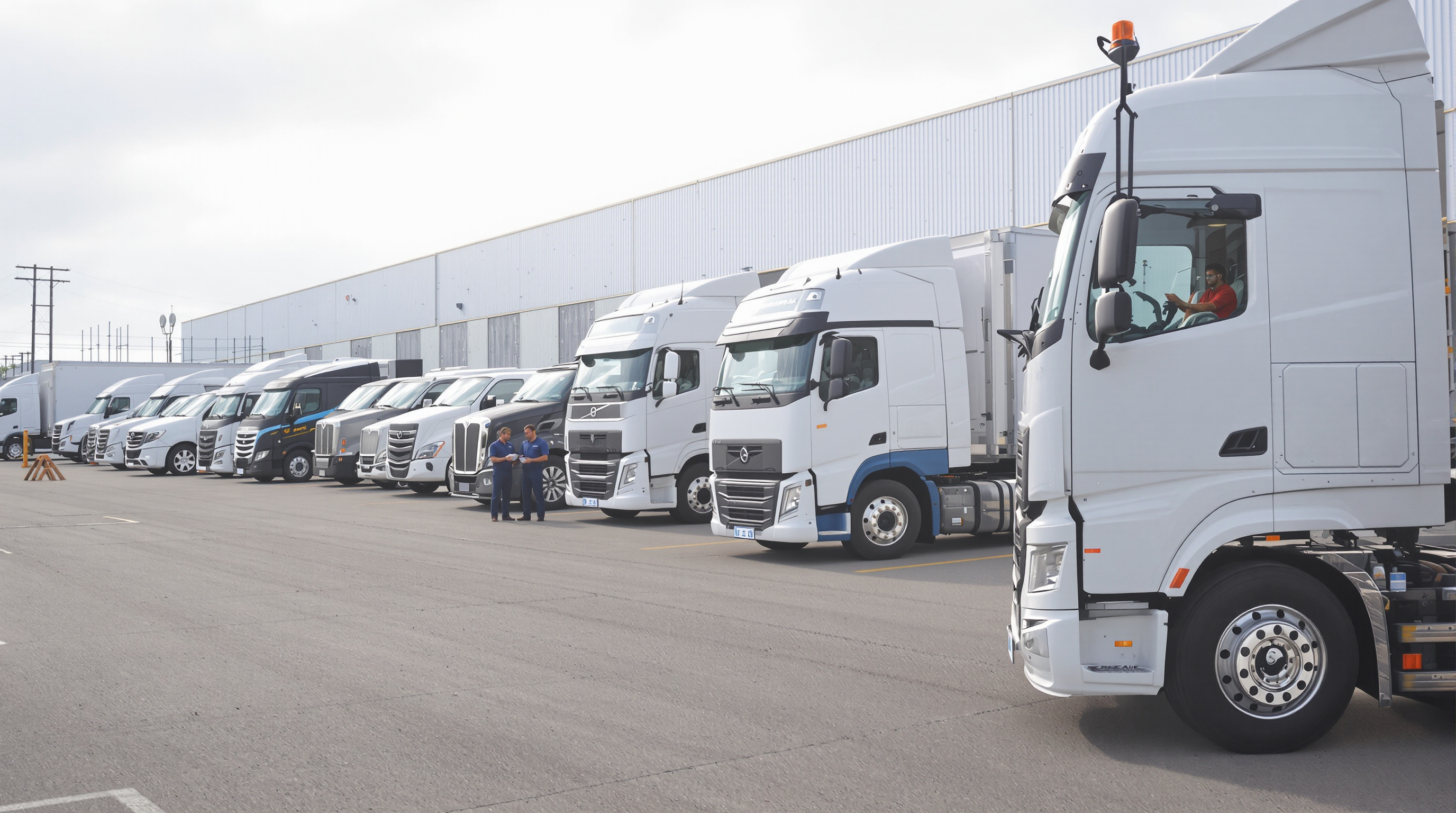
Bonus depreciation from the IRS lets logistics companies write off around 80% of those expensive new trailer semi trucks right away in year one. What does this mean for fleet owners? Faster money back obviously. According to some industry numbers from Transport Financial Benchmarking last year, companies saw their return on investment jump by about 22% over two years when they took advantage of this rule instead of waiting it out normally. The tax breaks also free up cash quicker than usual, which helps keep operations running smoothly. For most businesses, this ends up cutting what they actually pay for equipment between 18 to 27 percent, though the exact amount varies based on where someone falls in the tax brackets.
Tax strategies for logistics companies investing in new trailers
When companies combine Section 179 deductions with various state green equipment incentives, they get the most out of their tax dollars. Smart fleet operators are taking advantage of both federal and local programs these days, particularly when it comes to buying those newer aerodynamic trailers or ones that emit fewer pollutants. The savings can be pretty substantial too, somewhere around $14k to $28k on each unit depending on what exactly gets purchased. Timing matters as well since bonus depreciation is being phased down gradually until 2026. Mid size transportation companies that plan ahead can really benefit financially if they time their big buys right during these important periods when tax benefits still apply.
Sustainability and Electrification in Semi Trailer Operations
Role of Semi-Trailers in Sustainability and Decarbonization in Freight Transportation
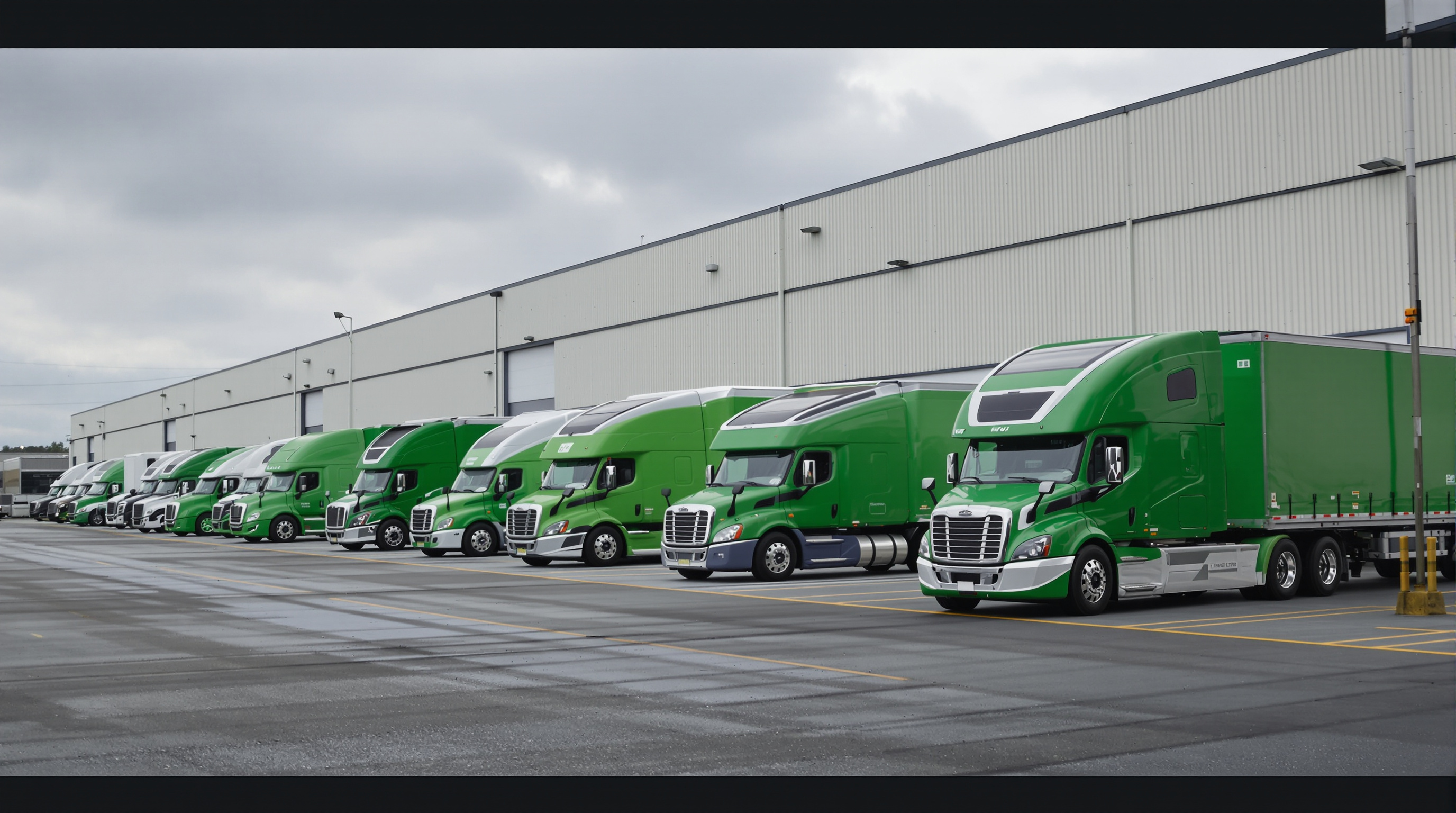
The transportation sector is really feeling the heat from semi-trailers, which are responsible for about 28% of all emissions worldwide according to Ponemon's research from last year. That's why there's so much talk about cutting carbon these days. Switching to aluminum trailers can actually save around 9 to 12% on fuel costs when compared with traditional steel models. And don't forget those aerodynamic skirts either they make quite a difference, cutting wind resistance by roughly 15%. When it comes to maximizing space efficiency, composite materials along with standard container sizes help pack more goods into fewer trips. Empty trucks driving around without cargo create problems too, accounting for no less than 21% of yearly freight emissions. Recent findings from a 2024 study on freight propulsion systems show something interesting hydrogen, batteries, and even biofuels aren't just competing alternatives but rather work together depending on what kind of infrastructure exists in different regions and how operations actually run day to day.
Electric Semi-Truck Adoption in Freight Logistics: Readiness and Challenges
While 37% of logistics firms plan to adopt electric tractors by 2026, trailer electrification faces three key barriers:
- Weight trade-offs: Battery systems reduce payload by 8–10 tons
- Charging gaps: Only 12% of truck stops offer megawatt-level charging
- Cost: Electric tractors carry a 140% premium over diesel models
Hybrid trailer semi truck configurations are bridging the gap by using regenerative braking to power auxiliary systems like refrigeration and liftgates without sacrificing range.
Controversy Analysis: Diesel vs. Electric Trailers in Long-Haul Operations
Diesel still holds about 78% of the market for trips longer than 500 miles mainly because filling up takes minutes and there are plenty of stations everywhere. The big complaint from skeptics is that batteries just can't pack the same punch as diesel when it comes to going 1,200 miles without stopping something they don't think will happen until around 2035 at best. On the flip side, supporters point out that electric vehicles actually cost roughly 60 percent less per mile driven in cities where most people actually drive. Some interesting developments are happening though with these new trolley type charging systems being tested along parts of Germany's autobahn network and also on Nevada's I-15 highway. These systems try to bridge the gap between traditional highways and electric power by mixing regular roadways with overhead wires and backup batteries for when needed.
Intermodal Integration and Logistics Flexibility with Semi Trailers
Semi-trailers in intermodal freight transport: rail-to-road efficiency
When trailer semi trucks get integrated into intermodal transportation systems, they basically merge the strengths of rail for long distances with the convenience of trucks for getting goods to their final destinations. At major terminal points across the country, cargo gets moved from train cars directly onto specially designed trailers. This process cuts down on those frustrating short hauls between rail yards and warehouses by around 30 to maybe even 40 percent depending on location. What makes this system work so well is that it keeps things like temperature settings intact throughout the transfer and preserves all those important security seals. No need for extra inspections when switching modes means fewer headaches for logistics managers. The end game? Supply chains that can weather disruptions better than before, plus studies show we're looking at roughly 18 percent less carbon emissions per ton mile traveled thanks to smarter rail utilization strategies.
Standardization challenges and container compatibility
The lack of consistent container standards around the world creates real problems for semi-trailers trying to work together. Different placements for ISO twist locks, varying chassis heights, and mismatched corner castings mean workers have to manually adjust things all the time. This causes delays of about 2 to 3 hours when moving cargo from trains to trucks. The situation gets even worse with high cube containers that simply won't fit under certain bridges or through tunnels in different regions, so crews end up having to completely reconfigure shipments. While there are ongoing efforts to get everyone on the same page regarding dimensions, progress is slow and uneven between major shipping routes. Most logistics managers deal with these headaches by running compatibility checks ahead of time and developing flexible loading strategies based on historical data from past operations.
FAQ
What is the expected growth rate of the semi-trailer market?
The semi-trailer market is predicted to grow at an annual rate of approximately 9.5%, reaching around $132.7 billion by 2034.
What factors are driving the growth of the semi-trailer market?
Key factors include the boom in online shopping, increased global spending on infrastructure, and technological advancements in trailer designs and materials.
Why did trailer orders decline after 2023?
The decline was due to financial caution by transportation companies as loan costs rose, as well as recovery in inventory levels.
What technological advancements are impacting load management and fuel efficiency in trailers?
Smart sensors, IoT devices for load management, and aerodynamic designs for better fuel efficiency are some key advancements.
What are the challenges to electrifying semi-trailers?
Challenges include weight trade-offs from batteries, limited charging infrastructure, and higher costs compared to diesel models.
How do financial strategies benefit the logistics industry?
Financial strategies like bonus depreciation and tax incentives help reduce the overall cost of purchasing new trailer equipment.