
 EN

Why Is Tank Material Important for an Oil Tank Truck?
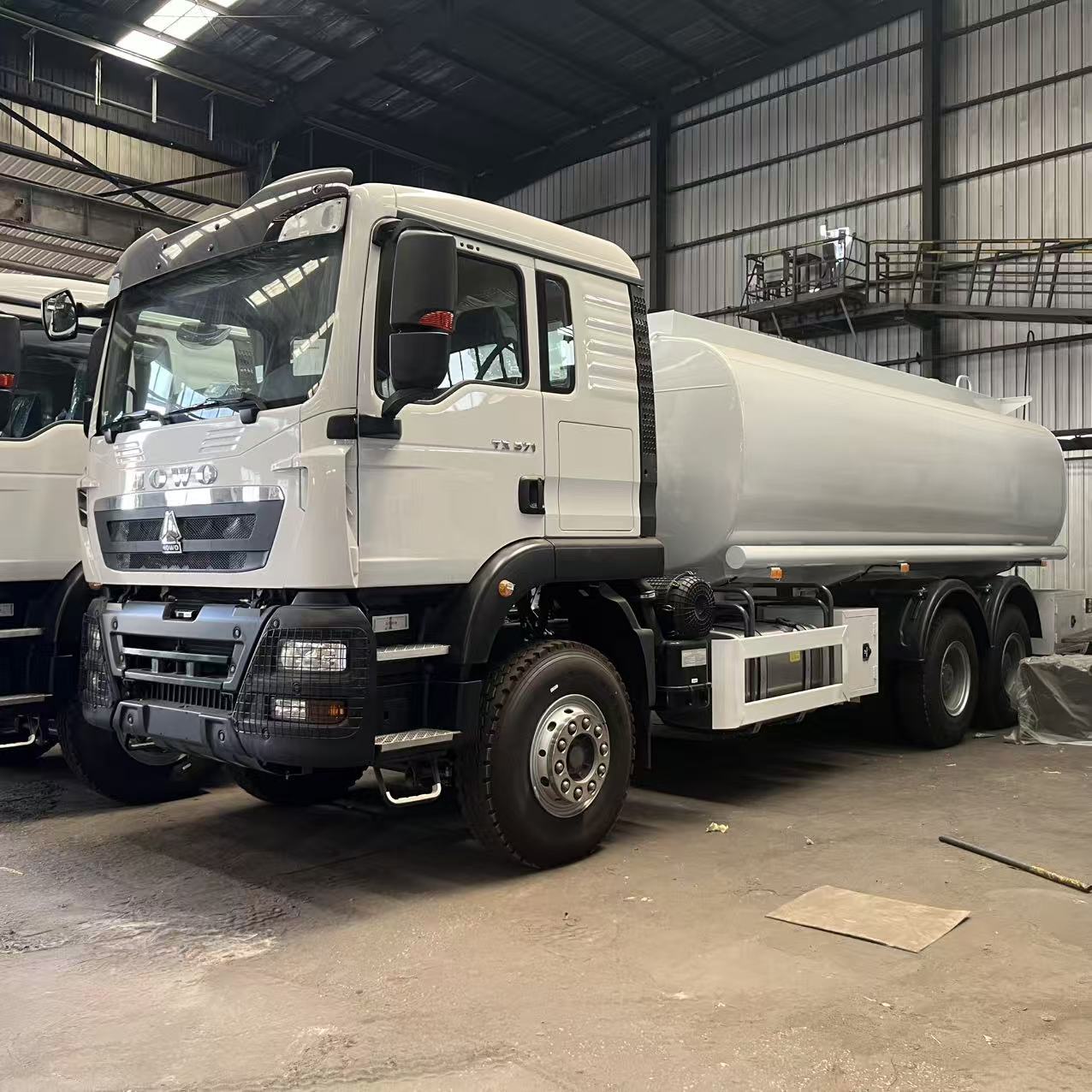
For a fleet buyer, an oil tank truck is not just a chassis with a vessel mounted behind the cab. The tank is the part that contains the cargo, withstands loading and unloading cycles, and must remain practical to inspect and maintain. That is why oil tank material matters from the first specification discussion. The relevant question is not which metal is universally preferable; it is whether the tank material fits the liquid, payload target, route, climate, maintenance routine, and local compliance requirements.
Fuel delivery, lubricant distribution, and other liquid-transport duties can expose a tank to different operating conditions. A material decision that appears economical at purchase may create a different maintenance burden later if water settlement, surface damage, cleaning practice, or road environment were not considered. First clarify the task, then compare the material options, and only then discuss the finished configuration.
Tank material affects the working life of an oil tank truck
The tank on an oil tank truck has to do more than hold volume. It supports safe containment, influences vehicle mass, and gives the operator access to inspection points, fittings, compartments, and repair areas. Material choice can influence how the tank responds to corrosion exposure, vibration, repeated filling and discharge, and routine cleaning.
A useful checkpoint is corrosion exposure; before deciding, relate it to the actual loading and unloading routine. Consider what the truck will carry, whether loads are kept in separate compartments, how often the tank is washed, and whether water or residue may remain after a delivery. Climate and road conditions also matter. Salt, humidity, abrasion, and neglected coating damage can change the maintenance picture over time.
That is the specification side; the next question is how it behaves in the daily routine. A tank that is easy to inspect and repair may suit one operator’s service plan, while lower tare weight may be more important for another operator’s route and payload calculation.
Carbon steel tank: strength, fabrication, and protection planning
A carbon steel tank is often considered when buyers want a familiar material with robust fabrication options and a practical starting point for many ambient-temperature petroleum applications. Carbon steel can be a sensible fit when the intended cargo, wall design, corrosion allowance, protective system, and inspection program are specified together.
It is not simply a material issue; more precisely, exposure and maintenance practice both matter. Bare or damaged steel surfaces may need careful corrosion-control planning where moisture, aggressive contamination, or a harsh road environment is expected. The buyer should ask how external surfaces will be protected, how internal condition will be checked, and how repairs will be documented after impact or coating damage.
Strength alone is not a complete answer. The final fuel tank design still needs task-specific confirmation for tank geometry, supports, baffles, compartment layout, openings, and applicable transport rules. Stationary-tank references are not automatically vehicle specifications, so road-tanker requirements and customer acceptance criteria must be verified for the destination and cargo.
When an aluminum tank truck may change the calculation
An aluminum tank truck may be evaluated when tare weight and corrosion behavior are important parts of the operating case. A lighter tank can affect payload planning, but it should not be treated as an automatic gain without checking axle loads, chassis configuration, cargo density, and route limits. The right choice may depend on details that should be verified with the final specification.
Aluminum does not develop red rust in the same way as carbon steel, yet it still requires disciplined design and care. Contact between dissimilar metals, damaged protective interfaces, unsuitable cleaning chemicals, and severe external exposure deserve review. By compatibility, we mean whether the selected material, seals, fittings, coatings, and cleaning process can all work with the intended cargo and maintenance method.
For some operations, the weight benefit may be compelling. For others, the purchase price, repair capability, fabrication preference, or required configuration may point toward a different material. Treat “lighter” as one comparison criterion, not a stand-alone purchase decision.
Compare materials against the actual delivery task
| Decision factor | Questions to ask before specifying | Why it matters |
|---|---|---|
| Liquid and contamination risk | What exactly will the tank carry? Could water, residue, or cleaning agents remain in the system? | Material, lining, seals, and cleaning procedures need to be compatible with the real service. |
| Payload and route | What are the axle limits, road conditions, delivery distances, and loading frequency? | Tank mass affects the overall vehicle calculation, not just the tank itself. |
| Corrosion exposure | Will the truck operate in humid, coastal, dusty, or chemically exposed areas? | External and internal protection plans affect inspection and repair needs. |
| Maintenance access | Can the operator inspect manholes, valves, compartments, supports, and drain areas safely? | Early detection of damage or residue helps support reliable operation. |
| Compliance and acceptance | Which local transport rules, customer standards, and cargo requirements apply? | Material selection must fit the complete approved vehicle specification. |
Do not separate tank material from the rest of the fuel tank system
Material selection should be reviewed with the whole fuel tank system. A suitable shell material can still be undermined by unsuitable valves, seals, joints, support details, or cleaning practices. The same applies to compartment and baffle decisions: they should reflect how the cargo will be loaded, transported, discharged, and checked.
From a procurement perspective, the most useful request for a supplier is a clear operating brief rather than only a capacity number. Include the liquid type, expected delivery pattern, required compartments, chassis preference, destination, ambient conditions, and any customer or regulatory documents. This gives the engineering discussion a practical foundation and reduces the chance of comparing unlike configurations.
A practical pre-purchase checklist
- Define the cargo: confirm the liquid, temperature range, contamination sensitivity, and cleaning process.
- Map the duty cycle: record payload, daily trips, loading and discharge method, road surface, and climate.
- Compare the material system: review the tank material with coatings, linings where applicable, seals, fittings, and corrosion-control measures.
- Review the vehicle calculation: check the tank’s effect on payload, axle distribution, chassis suitability, and legal limits.
- Plan inspection and repair: identify routine access points, service capability, spare-parts planning, and how damage will be assessed.
- Verify the final requirements: confirm applicable tanker-vehicle rules, destination requirements, and customer acceptance criteria before release.
Choose a material based on fit, not a label
The importance of tank material in an oil tank truck comes down to operational fit. A carbon steel tank may be appropriate where strength, fabrication approach, protection planning, and service support align with the job. An aluminum tank truck may deserve closer consideration where weight and corrosion behavior are central to the duty cycle. Neither label replaces a full review of the cargo, environment, maintenance plan, and approved vehicle specification.
Before placing an order, turn the operating conditions into a written checklist and ask the supplier to confirm the material system, configuration boundaries, and points that require local verification. That approach helps a buyer evaluate the oil tank material as part of a durable, serviceable, task-appropriate oil tank truck.