 EN

Camion Configurations Vary According to Cargo, Road Conditions, and Workloads.
A camion is not selected well by starting with a model name alone. For a fleet buyer or transport operator, the practical question is simpler: what must the vehicle carry, where must it travel, and how hard must it work every day? The answers shape the truck configuration more reliably than a headline payload figure. A configuration that is sensible for stable paved-road distribution can become inefficient when cargo changes, access roads deteriorate, or loading cycles become more demanding.
This guide uses camion in the commercial-vehicle sense: a truck arranged for freight work. It is a planning framework, not a substitute for local weight rules, engineering approval, or the vehicle maker’s specifications. Before an order is finalized, confirm applicable axle limits, body dimensions, safety requirements, and route restrictions in the operating jurisdiction.
Start With the Cargo, Not the Badge
The first step in choosing a camion is to describe the cargo in operational terms. “General goods” is usually too broad. Ask whether the load is dense or bulky, uniform or mixed, palletized or loose, weather-sensitive or durable, and loaded by forklift, crane, hand crew, or a tipping process. Those details affect body type, floor strength, restraint points, door arrangement, and the way weight is spread across the chassis.
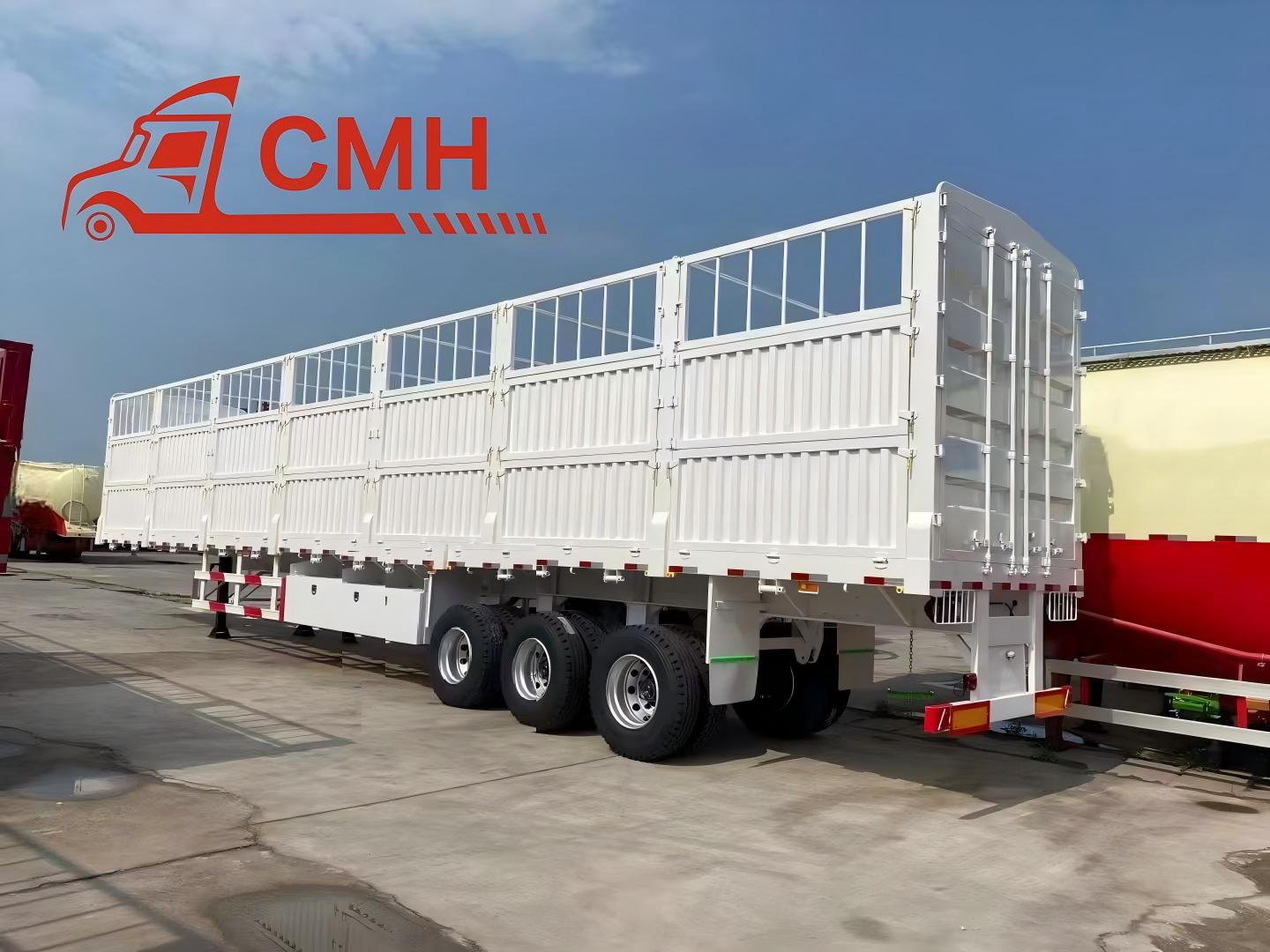
For example, cargo truck types intended for palletized distribution may prioritize a protected box body, side access, and efficient loading height. Long or irregular equipment may need an open platform with a restraint plan. Bulk materials may point toward a tipping arrangement, but only after the unloading area, ground stability, and center-of-gravity implications have been reviewed. Capacity alone is not enough; payload distribution matters because a legal gross figure does not automatically mean every axle, body, or route is suitable.
A useful cargo brief records four items: the maximum payload, the usual payload, the load dimensions, and the loading/unloading method. That is the specification side; the next question is how the camion behaves in the daily routine. A truck that can technically carry a load may still create delays if the body opening, restraint layout, or unloading method does not match the task.
Match the Truck Configuration to the Road Transport Environment
Road transport is more than the distance between two points. A route can include tight urban turns, steep grades, unpaved access roads, standing water, loading yards, bridges with restrictions, and long highway sections. Each condition changes the priority of a truck configuration. In many planning discussions, this is where the configuration details start to matter.
- Urban and constrained access: maneuverability, turning space, overall length, cab visibility, and loading access may deserve more weight than maximum body volume.
- Long paved-road runs: stable load placement, fuel-conscious operating choices, driver comfort, and predictable service intervals can be central to the duty cycle.
- Rough or variable access roads: clearance, traction needs, suspension suitability, tire selection, body mounting, and protection for exposed components should be assessed as a system.
- Wet or corrosive operating areas: drainage, coating condition, fastener access, and regular inspection become part of the operating plan rather than optional extras.
It is tempting to treat a heavy duty truck as the safe answer for every difficult route. More precisely, the right choice depends on the load, actual surface condition, grade, travel frequency, and service support. A heavier arrangement can add durability in some applications, yet it can also reduce usable payload, increase operating complexity, or make tight-site access harder. A suitable configuration is one whose compromises are visible before purchase.
Choose Axles, Drive Layout, and Chassis Around Real Workloads
Workload means more than tonnes per trip. It includes trips per day, average distance, idle time, stop-and-go operation, gradients, loading delays, and seasonal changes. These factors influence axle layout, drive configuration, wheelbase, engine and transmission matching, cooling requirements, and maintenance planning. A camion that runs one predictable route with stable loads may benefit from a different layout than one that alternates between highway deliveries, construction access, and irregular backhauls.
When reviewing a truck configuration, compare the planned workload with the expected workload, not just an idealized case. If the route and payload are stable, a focused arrangement may be a practical starting point. If conditions vary sharply, build a margin into the review process and identify where flexibility is genuinely needed. Larger capacity is not automatically better when daily utilization remains low or the vehicle repeatedly travels underloaded.
Axle selection should be checked with cargo distribution and route access together. Planning sources on axle loading emphasize that truck classes and axle types need appropriate loading conditions; in practice, this means confirming the actual jurisdictional limits and physical constraints before committing. Treat legal and technical verification as a gate in the buying process, not an assumption carried over from a previous fleet vehicle.
A Practical Comparison for Common Cargo Truck Types
| Operating need | Configuration questions | What to verify before ordering |
|---|---|---|
| Palletized or protected freight | Box body, loading height, door layout, interior restraint points | Forklift workflow, payload distribution, access at both ends |
| Long, heavy, or irregular equipment | Platform length, deck strength, tie-down layout, axle placement | Load restraint method, turning space, clearance, and route approvals |
| Bulk material with frequent unloading | Body design, tipping process, chassis stability, site conditions | Ground condition, safe unloading procedure, maintenance access |
| Mixed road transport duties | Drive layout, clearance, wheelbase, body flexibility | Typical versus peak workload, service coverage, and avoidable compromises |
The table is a starting point, not a universal prescription. Two operations can move similar cargo and still require different camion arrangements because their roads, loading equipment, schedules, and maintenance capabilities are different.
Build a Pre-Purchase Review That Finds Mismatches Early
A disciplined review prevents a familiar problem: selecting a vehicle for the advertised use case and discovering later that the real route is less forgiving. Use a cross-functional checklist that includes dispatch, drivers, maintenance staff, and the person responsible for loading. Their observations help distinguish a minor preference from an operating constraint.
- Document typical and maximum cargo, including dimensions and how it is restrained.
- Map the full route, including loading sites, tight turns, grades, surface changes, and restrictions.
- Describe the workload by trips, hours, stops, seasonal variation, and expected utilization.
- Compare axle loads and gross vehicle assumptions against applicable legal and technical limits.
- Review service access, routine inspection points, and the availability of suitable maintenance support.
- Request the final configuration in writing and check that body, chassis, tires, and equipment assumptions are consistent.
What will the camion actually carry, and how will it be unloaded? That reader question often reveals gaps that a generic quotation misses. Record the operating condition behind each issue so that a later change in cargo or route can be evaluated against the original decision.
Configuration Is a Fit Decision, Not a Single Feature Decision
Choosing a camion is a fit assessment across cargo, road transport conditions, and workload. The productive approach is to move from capacity alone to payload distribution, from a model name to the unloading task, and from a standard configuration to the route it must serve. Whether the requirement points to a specialized body or a more flexible heavy duty truck, the right answer should be supported by verified specifications and local operating facts.
Before purchase, turn the final truck configuration into a checkable document: cargo assumptions, route conditions, axle and body choices, service needs, and the limits that still require confirmation. That process makes the trade-offs clear and gives the operation a better basis for using the camion consistently over its working life.