
 EN

How to Maximize Cargo Space Inside a Van Truck?
A van truck earns its keep when the load is easy to find, secure in motion, and quick to unload at every stop. A useful result is not simply filling every open cubic inch. It is creating a repeatable cargo layout that protects access, keeps the center of gravity sensible, and lets drivers reset the vehicle without starting from scratch. From an operator viewpoint, a van truck has to work with loading, unloading, and daily inspection routines—not just look organized at the dock.
Start by treating cargo space as a working system. List what moves every day, how often each item is touched, its approximate size and weight, and whether it needs protection from impact or moisture. This turns cargo management from a guess into a loading plan. If the route and payload are stable, the plan can become a practical standard. If they change often, use flexible zones rather than a permanent build-out.
Measure the van truck before choosing storage
Measure usable length, width between wheel housings, rear-door opening, side-door opening, and vertical clearance. Then mark features that reduce usable space: bulkheads, wheel arches, tie-down points, lighting, door travel, and access panels. A van truck may have generous-looking volume while still having awkward areas that cannot safely hold bulky cases or tall cartons.
Build a simple load map with three layers. The floor plan shows where pallets, bins, or equipment can sit. The wall plan shows where racks, hooks, and vertical holders can go without blocking doors. The access plan shows the path a person needs to move from the door to the farthest item. That last layer is often overlooked. A layout that stores more but forces climbing over freight can slow deliveries and raise handling risk.
Divide cargo space into working zones
Effective storage optimization usually begins with zoning, not with buying shelves. Give the van truck a fast-access zone near the door for items used at most stops. Reserve the central floor for dense, heavy, or bulky freight. Use higher wall space for light, durable supplies, provided the mounting system and the load are suitable for that position. Keep an inspection and emergency-access zone clear around required equipment and any vehicle service access.
A useful checkpoint is payload distribution; before deciding, relate it to the actual loading and unloading routine. Place the heaviest compatible items low and as near the vehicle’s intended load-bearing area as practical. Do not solve a storage problem by stacking heavy cargo high or concentrating it at one door. The vehicle manufacturer’s payload and axle limits still govern the load plan, so confirm them for the specific van truck rather than relying on a generic layout.
Use vertical storage without creating a retrieval problem
Wall-mounted shelving, modular bins, narrow drawer units, and labeled holders can recover space that loose boxes waste. In a delivery vehicle, vertical storage is often useful for lightweight parts, consumables, paperwork kits, and regularly replenished supplies. Put frequently picked items between knee and shoulder height when possible. This reduces repeated bending and prevents workers from moving other cargo just to reach a small item.
Choose containers by function. Clear or consistently labeled bins support faster cargo management. Stackable containers are useful only when their lids, load rating, and restraint method fit the job. Long items may need tubes or sidewall brackets; loose tools often need dedicated holders. It is not simply a storage issue; more precisely, visibility, restraint, and retrieval all matter. Every container should have a home and a way to stay there when the van truck brakes, turns, or travels over uneven surfaces.
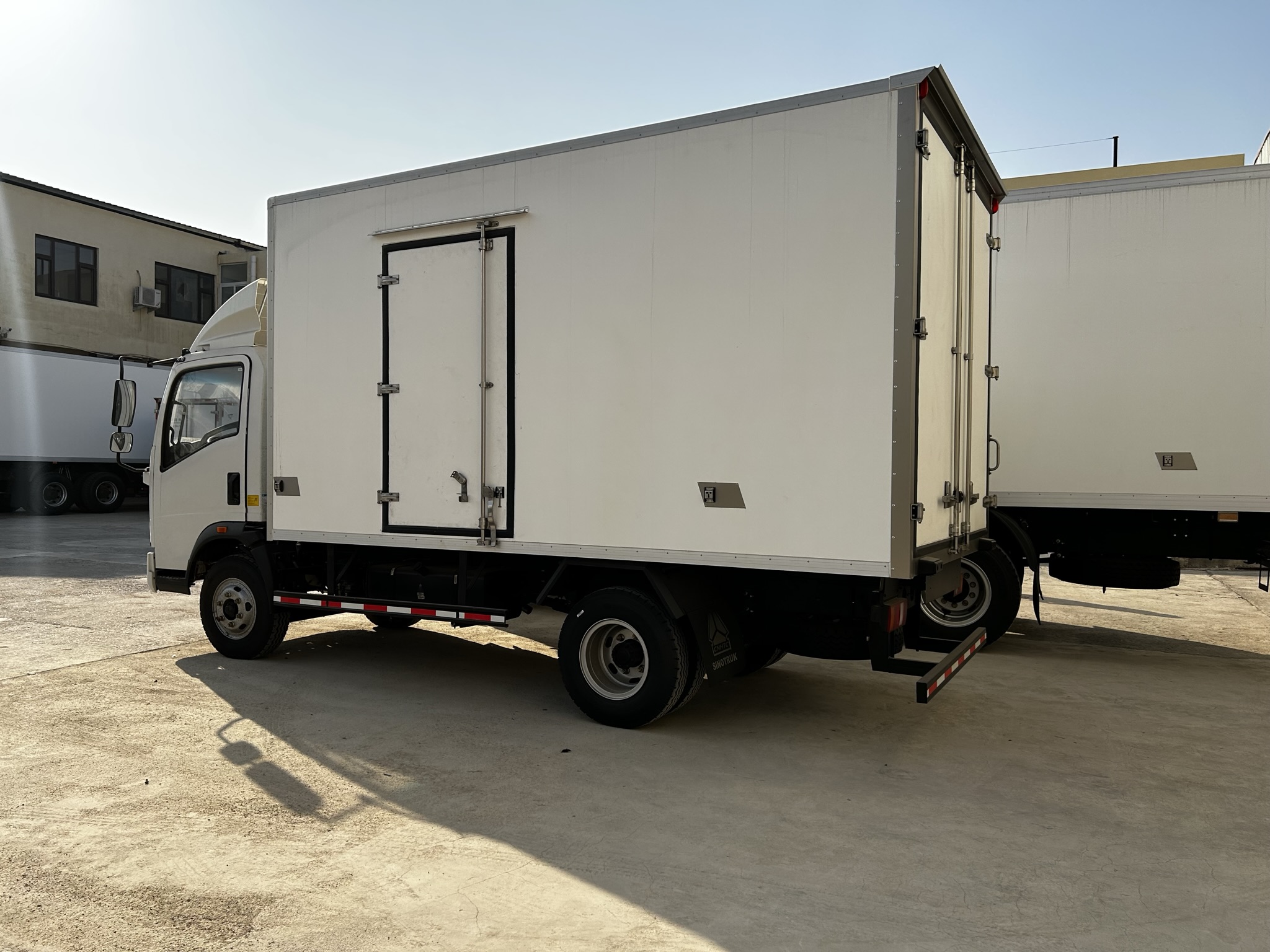
Plan van truck loading in delivery order
For multi-stop work, load the last delivery first and the first delivery last, provided weight distribution and cargo compatibility allow it. This basic van truck loading rule can reduce reshuffling at the curb. Group freight by route section or stop sequence, and leave a clear reach path to the next group. Color labels, stop-number labels, or a small load diagram near the door can help a substitute driver follow the same system.
Keep fragile, temperature-sensitive, or high-value items in their own protected zones. Avoid mixing awkward items with small packages where they can shift or crush each other. A small buffer, divider, or anti-slip surface may preserve more usable capacity than overpacking a bay. That is the storage side; the next question is how the load behaves during the daily route.
Secure the load before counting the space as usable
Unused gaps are not automatically wasted space. Some gaps provide room for restraints, door movement, safe handling, or load inspection. Use compatible tie-downs, nets, bars, straps, partitions, and floor anchors according to the equipment instructions and applicable rules. Inspect anchor points and restraint hardware before loading; damaged equipment should not be treated as a minor inconvenience.
For U.S. commercial-motor-vehicle operations, FMCSA cargo-securement performance criteria address 0.8 g forward deceleration and 0.5 g rearward and lateral acceleration. Those figures are not a universal design shortcut for every van truck or cargo type. They are a reminder to verify the rules that apply to the route, vehicle, and freight, including any commodity-specific requirements. When in doubt, obtain qualified operational or regulatory guidance before changing a restraint method.
Standardize the reset after every route
The biggest gains in a van truck often come from keeping the system usable after day one. At the end of a route, remove debris, return tools and reusable containers to assigned locations, note damaged restraints, and restock the fast-access zone. A short reset prevents “temporary” placements from becoming permanent clutter. Review the layout after a busy week: Which items were moved repeatedly? Which spaces remained empty? Which deliveries required unloading unrelated cargo first?
Use those observations to adjust one zone at a time. For example, relocate a frequently picked bin closer to the door, replace several loose cartons with a suitable tote system, or reserve a narrow bay for long items. Small changes are easier to test than a full refit, and they make it clearer whether the van truck layout is improving route flow.
A practical checklist for better cargo capacity
- Measure usable interior dimensions and door clearances before selecting storage.
- Separate fast-access, heavy-load, protected, and service-access zones.
- Keep heavy items low and distribute weight within the specific van truck’s limits.
- Use labeled containers and vertical storage for suitable lightweight items.
- Load by delivery sequence only when it remains compatible with safe weight distribution.
- Check restraints, anchors, and cargo condition before departure.
- Reset and review the cargo layout after routes so the system stays useful.
The right van truck layout balances capacity with control. Begin with the cargo profile, make access visible, secure the load, and improve the plan from real delivery feedback. That approach can create more usable space without turning the vehicle into an obstacle course.