
 EN

Why Is Cab Configuration Important for Long-Haul Tractor Trucks?
A tractor truck is chosen for far more than pulling a trailer. On a long route, the cab becomes the driver’s work position, recovery space, document station, storage area, and communication hub. That is why cab configuration deserves the same early review as axle layout, powertrain, coupling equipment, and payload requirements. A well-matched tractor truck cab does not replace safe operating practices or legal rest requirements, but it can make the daily routine more workable for the person who must manage it.
From a fleet procurement perspective, the right tractor truck starts with the duty cycle rather than a feature list. A regional vehicle that returns to base every day faces different needs from a long-haul truck that may operate across climate zones, wait at loading sites, and require overnight accommodation. Before treating a sleeper as an automatic upgrade, connect the driver cabin to route length, dispatch pattern, cargo schedule, parking availability, and local rules.
Cab Configuration Changes the Long-Haul Workday
For a long-haul tractor truck, the driving environment is used for hours at a time. Seat travel, steering-wheel adjustment, pedal reach, mirror visibility, switch placement, and entry steps affect how easily a driver can maintain a consistent operating position. These are fit questions, not cosmetic ones. If the same vehicle will serve several drivers, the range and speed of adjustment matter because each driver needs to establish a safe, comfortable position at the start of a shift.
Cab layout also affects what happens when the vehicle is not moving. Paperwork, electronic logging, communication devices, protective gear, food, clothing, and personal items need defined places. Without useful storage, a driver cabin can become cluttered, which makes routine checks and access to essential items less convenient. A useful checkpoint is storage location; before deciding, relate it to the actual loading, unloading, and border-crossing routine.
Search evidence on commercial-vehicle ergonomics consistently treats seat, steering, pedal, and control positioning as relevant to discomfort and fatigue management. That does not mean any single tractor truck configuration guarantees safety or productivity. It means buyers should ask whether the adjustment range and layout suit the people, routes, and shift patterns planned for the vehicle.
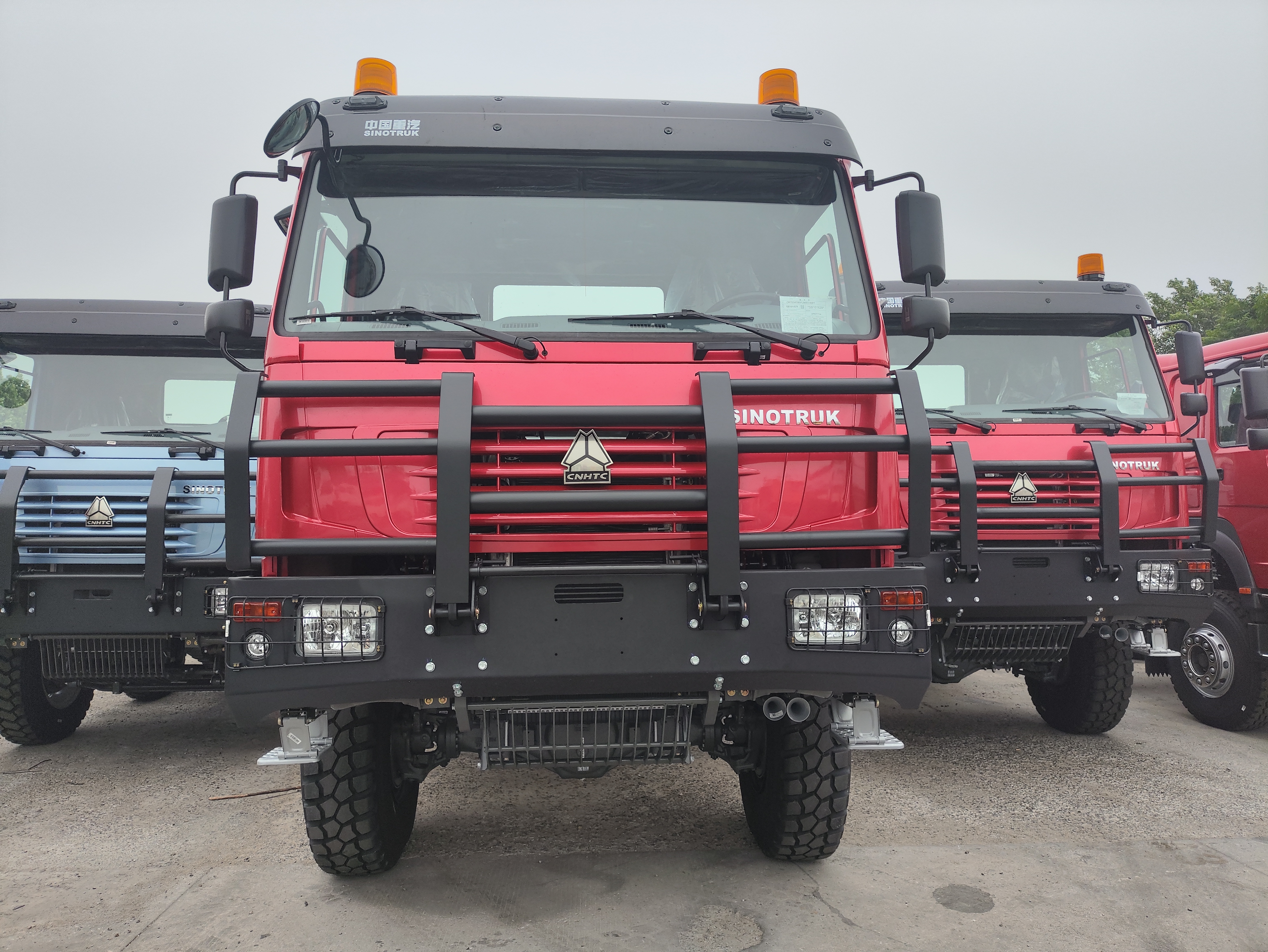
Day Cab or Sleeper Cab: Start With Route Reality
The day-cab-versus-sleeper choice is one of the most visible tractor truck decisions. A day cab can be appropriate when operations are genuinely local or regional, drivers return to a base reliably, and overnight stays are not part of the normal assignment. Its shorter overall package may also suit some yard, terminal, or delivery conditions. However, a day cab becomes less convincing when schedules routinely extend beyond a practical return window.
A sleeper-equipped tractor truck is typically considered when planned operations include overnight rest away from base. The size of the sleeper, mattress arrangement, standing room, climate-control strategy, privacy features, and storage capacity should be assessed together. Selecting a larger sleeper without checking usable storage or heating and cooling provisions can leave an expensive but poorly integrated driver cabin.
In the United States, hours-of-service rules are a useful example of why route and rest planning must be considered separately from cab design: the FMCSA summary includes a 30-minute non-driving interruption after eight cumulative hours of driving. Requirements vary by jurisdiction and operation, so purchasers should verify the rules that apply to their freight transport lanes. A sleeper does not change those obligations; it simply gives a long-haul tractor truck a more suitable place to support an overnight operating plan where that plan is permitted and needed.
Ergonomics Is a Specification Item, Not an Accessory
When evaluating a tractor truck cab, ask a driver to simulate normal tasks: entering, adjusting the seat, setting mirrors, reaching controls, reviewing a dispatch device, locating documents, and preparing for a rest period. The relevant question is whether the configuration suits the work, not whether it appears premium in a brochure.
- Seat and steering adjustment: Check travel, height, tilt, lumbar options where specified, and the ability to obtain a clear view of instruments and mirrors.
- Pedal and control access: Confirm that ordinary controls can be operated without an awkward reach or compromised posture.
- Steps, grab handles, and floor space: Review entry and exit frequency, footwear, weather, and the items drivers normally carry.
- Visibility and lighting: Consider mirror placement, sun management, interior task lighting, and the need to locate items during pre-trip or stopover routines.
These checks are particularly important when a tractor truck will be assigned to demanding routes or multi-driver shifts. Conditional phrasing matters here: if routes are stable and drivers are known, a narrower adjustment range may be workable; if assignments vary, broader adjustment and simpler control access may provide more flexibility.
Rest Space, Climate, and Noise Need a System View
For a sleeper tractor truck, rest space should be reviewed as a system. Bed dimensions alone do not show whether a person can change clothes, store supplies, manage temperature, charge equipment, or access needed items without repeatedly moving cargo around the cab. Ask how heating, cooling, ventilation, window coverings, insulation, and auxiliary-power arrangements fit the expected parking conditions. Final equipment availability and local operating limitations should be confirmed in the vehicle specification.
Noise and vibration are also practical review points. Rather than promise a particular comfort outcome, compare the available cab mounting, insulation, seating, and idle-management options against the road surfaces, climate, and stopover conditions expected in the fleet. That is the specification side; the next question is how it behaves in the daily routine. A demonstration or driver evaluation can reveal access or storage issues that a specification sheet does not.
Cab Layout Supports More Reliable Freight Transport Routines
Cab configuration can influence small but repeated actions throughout freight transport: where a driver stores a high-visibility vest, how quickly delivery documents can be found, whether a device cable blocks a control, and how easily the vehicle can be tidied before an inspection or customer visit. These are not substitute measures for training, maintenance, or route planning. They are reasons to include the driver cabin in the specification review instead of treating it as a late-stage trim choice.
A fleet procurement planner should also separate must-have functions from preferences. For example, a tractor truck assigned to regular multi-day lanes may require a sleeper, secure storage, and an appropriate climate strategy. A tractor truck working short, predictable runs may place greater value on easy entry, visibility, and day-cab maneuverability. Both are valid choices when the configuration matches the mission.
A Practical Cab Configuration Checklist
- Define the longest normal route, expected stopovers, and return-to-base pattern for each tractor truck.
- Identify driver count, shift handovers, body-size range, and any frequent entry or paperwork tasks.
- Decide whether a day cab or sleeper cab aligns with the real schedule rather than an exceptional trip.
- Review seat, steering, mirrors, pedals, controls, steps, storage, climate provisions, and rest-space layout in one driver-cabin assessment.
- Verify final cab options, applicable regulations, and service support with the supplier before confirming the tractor truck order.
Conclusion
Cab configuration is important because a long-haul tractor truck is both a transport asset and a sustained workplace. A suitable choice is rarely a universal day-cab or sleeper recommendation. Instead, compare the driver cabin against route duration, rest planning, climate, driver tasks, storage needs, and fleet operating rules. When those factors are specified early, the selected tractor truck is more likely to fit the work it is actually asked to perform.