 EN

Why Are Different Camion Configurations Used in Different Industries?
A camion is not specified around a badge or a single capacity figure. It is specified around work. A truck that spends most of its time on paved regional routes faces a different set of demands from a camion that loads aggregate at a construction site, carries agricultural produce on mixed roads, or supports equipment transport. That is why a camion configuration varies by industry: payload, terrain, loading method, maneuvering room, legal limits, and daily utilization all change what “fit” means.
From a fleet-procurement viewpoint, it helps to begin with the operating pattern rather than a preferred axle formula. The relevant question is whether the chassis, driveline, suspension, body, and access features suit the route and the work cycle. A lower purchase price alone does not answer that question.
The configuration follows the job, not the other way around
Every commercial vehicle has to balance carrying ability with traction, stability, fuel use, service access, and local compliance. The balance changes with the task. For example, a delivery-oriented camion may prioritize a lower unladen weight, turning practicality, and frequent-stop efficiency. A vehicle used on loose ground may need more driven axles, ground clearance, and suspension choices that tolerate repeated rough-surface work.
A useful checkpoint is payload distribution; before deciding, relate it to the actual loading and unloading routine. The gross load is important, but so are the position of the load, axle-group distribution, body length, and the rules that apply in the operating country or region. Local weight and dimension requirements should be confirmed before a final specification is released.
How axle and drivetrain choices change with the route
Axle arrangement is one of the clearest reasons a camion configuration differs from one industry to another. A 4x2 layout has one driven axle and can be a sensible starting point where roads are paved, traction demand is limited, and tare-weight discipline matters. Adding axles can help distribute load, while adding driven axles can improve traction when the route includes steep grades, mud, loose aggregate, or repeated off-road movement.
That is the specification side; the next question is how it behaves in the daily routine. More axles or more driven axles may increase capability for a particular job, but they can also affect vehicle weight, turning behavior, tire management, and maintenance planning. The practical selection is therefore conditional:
- Highway freight: prioritize predictable road use, payload legality, fuel-conscious operation, and serviceability.
- Construction and quarry work: consider traction, load distribution, approach angles, and repeated uneven-ground exposure.
- Agricultural transport: assess seasonal road conditions, farm access, body access, and the nature of the carried material.
- Urban or regional distribution: weigh maneuverability, stop-start use, loading-dock compatibility, and driver visibility.
It is not simply a power issue; more precisely, traction requirement, weight distribution, and route repeatability all matter. Matching axle setup and gearing to load, terrain, and route type is a useful way to frame performance and long-term operating cost without assuming that one layout suits every buyer.
Truck applications also determine body and loading design
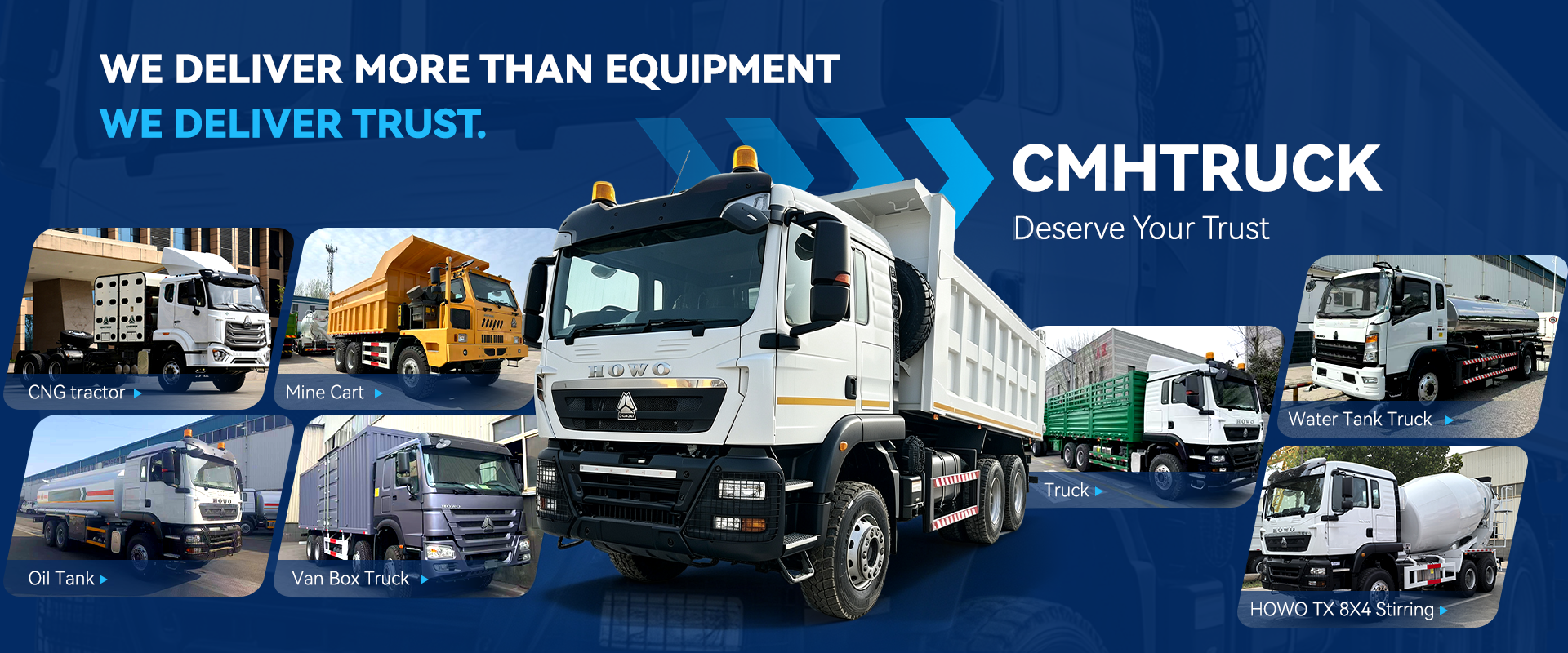
The chassis is only part of the answer. Truck applications often determine the body style, mounting points, loading height, access arrangement, and protection needed around the load. A logistics operation may need a cargo space that supports pallet flow and dock work. A construction operation may focus on material discharge, body durability, and clean-out practicality. Equipment transport can place more emphasis on deck arrangement, securing points, ramp use, and load planning.
For industrial transport, the cargo itself changes the discussion. Bulk materials, packaged goods, machinery, agricultural products, and project equipment each have different loading behavior and handling risks. Before choosing a body or trailer format, document the load dimensions, weight distribution, loading equipment, unloading sequence, and whether the load is sensitive to weather, contamination, or movement.
Suspension, frame, and service access are operational decisions
A commercial vehicle that operates over consistent paved routes can be evaluated differently from one that sees rough access roads every day. Suspension selection influences ride behavior, load protection, ground contact, and maintenance routines. Frame and cross-member requirements likewise depend on the body, mounted equipment, duty cycle, and expected loading events. These are configuration decisions that should be reviewed as a system, not as a list of unrelated options.
Service access deserves the same attention. If a camion will operate far from a main workshop, the availability of routine service, tire support, consumables, and trained technicians can affect the usable configuration. If the route and payload are stable, a simpler arrangement may be a practical starting point. If conditions vary sharply by season or project, it may be worth defining the most demanding verified duty cycle before finalizing the specification.
Why industry requirements can change the same base vehicle
Two buyers can begin with the same cab or base chassis and still need different results. A logistics fleet might specify for route consistency and utilization. A road-construction contractor may emphasize traction and robust worksite access. An agricultural operator may need a configuration that suits seasonal loads and variable approach roads. For industrial transport, the priority may shift toward safe load handling, body integration, and inspection access.
This is why a configuration sheet should capture more than a model name. It should state the expected payload, load form, route profile, surface condition, grades, trip frequency, loading and unloading method, environmental exposure, local requirements, and available maintenance support. Those inputs make supplier and fleet discussions more precise and reduce the chance of comparing vehicles that only look similar on paper.
A practical selection sequence for a camion
- Define the duty cycle. Record the typical route, worst verified surface condition, annual or seasonal variation, and daily trip pattern.
- Describe the load. Include gross weight, dimensions, center of gravity, loading equipment, and unloading method.
- Check legal and site constraints. Confirm applicable axle, gross-weight, dimension, access, and safety requirements in the intended market.
- Compare drivetrain and axle options. Match traction and load distribution to the route rather than selecting the largest configuration by default.
- Review the complete vehicle. Assess body, suspension, frame, tires, service access, and driver workflow together.
- Validate the final build. Ask for the configuration record and confirm that the delivered vehicle matches the approved operating requirements.
Conclusion: configuration is a fit decision
Different industries use different camion configurations because their work is different. The right commercial vehicle is the one whose axle layout, traction, payload distribution, body arrangement, and service plan match a defined duty cycle. Start with the task, verify the local requirements, and use the final specification review to turn broad truck applications into a configuration that is practical for the operation.