
 EN

What Makes an Aluminum Tank Truck Different From a Steel Tank Truck?
Choosing an aluminum tank truck is not simply a question of picking the lightest vessel. For a fleet buyer, the useful comparison starts with the liquid, the route, loading and unloading practice, inspection access, and the applicable cargo-tank rules. From a commercial-vehicle selection advisor perspective, an aluminum tank truck should be matched to duty cycle, payload, and route conditions before purchase price becomes the deciding point.
An aluminum tanker and a steel tank truck can both be appropriate in the right application. Their differences affect empty vehicle weight, corrosion-management routines, repair planning, and how the finished vehicle is specified. What will the truck actually carry, and how will it be unloaded? Those questions matter more than a blanket claim that one tanker material is automatically better.
The short answer: material changes the operating trade-offs
The most visible difference is weight. Aluminum is generally selected when reducing tare weight is valuable, while steel is often considered where a buyer prioritizes a material system suited to a particular body design, service environment, or repair plan. That is the specification side; the next question is how it behaves in the daily routine.
For a fuel tanker, material is only one layer of the decision. The tank’s approved specification, compartment arrangement, fittings, linings where applicable, safety equipment, and compatibility with the intended product must all be verified. A tank truck may use aluminum, carbon steel, or stainless steel depending on what it carries; material alone does not approve the vehicle for a cargo.
1. Empty weight and payload planning
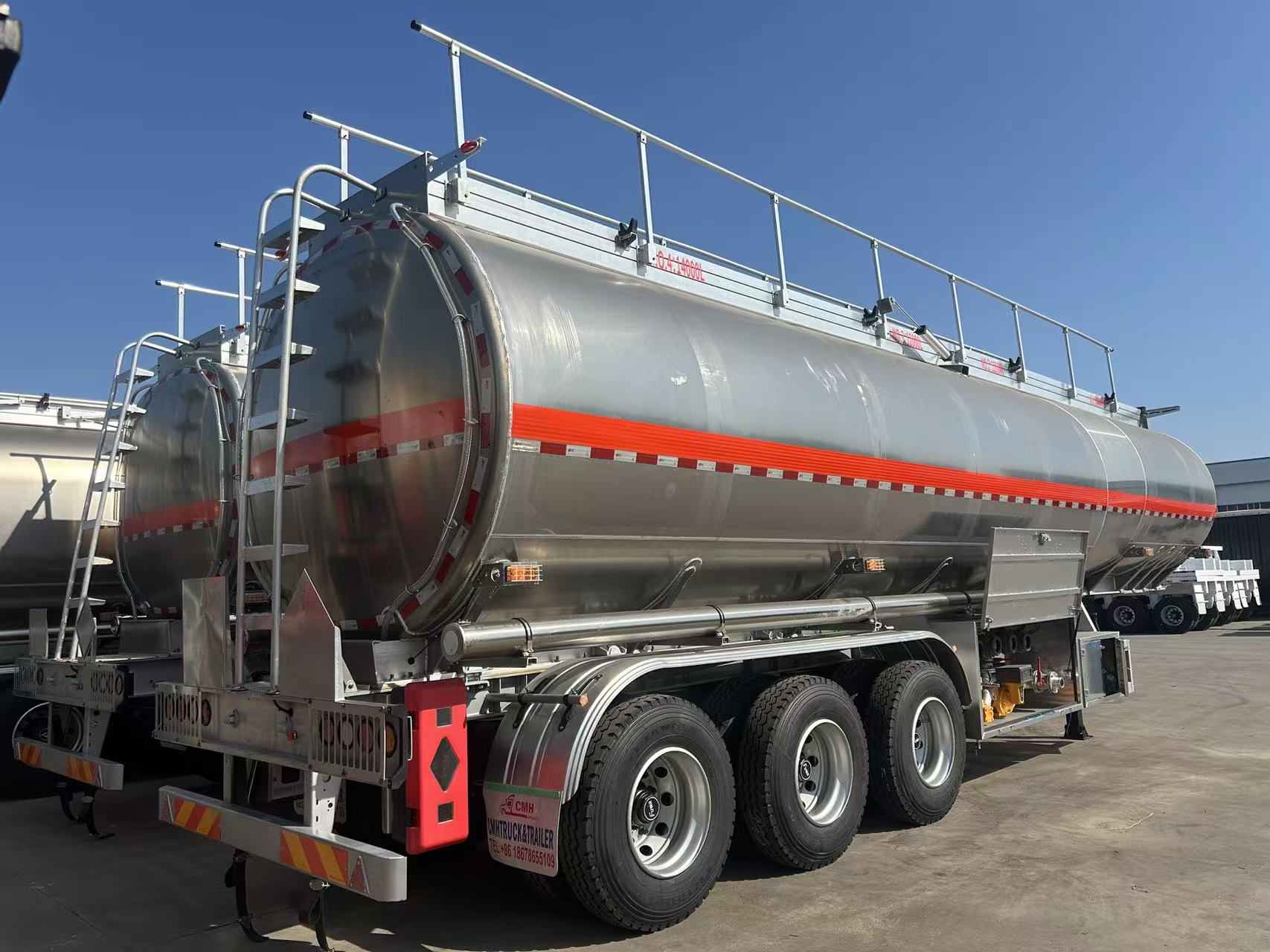
An aluminum tank truck can help reduce the empty weight of the tank body compared with a comparable steel construction. In weight-sensitive operations, that may leave more room within the vehicle’s legal gross-weight limit for payload, equipment, or axle-load distribution. The benefit is operational rather than automatic: a fleet still needs to calculate chassis capacity, suspension, axle ratings, tank volume, and local road limits as one system.
A steel tank truck adds its own material weight to the starting point, so the payload discussion should include the actual body thickness, reinforcements, pumps, hose reels, cabinets, and safety hardware—not just a generic metal comparison. First clarify the task, then compare configurations, and only then discuss price.
2. Corrosion behavior and surface care
Aluminum naturally forms an oxide layer, which is why an aluminum tanker is often evaluated for applications where routine rust management is a concern. This does not make aluminum immune to every form of corrosion or damage. The cargo, cleaning chemicals, road contaminants, dissimilar-metal contact points, and coating or isolation details must still be reviewed by the tank builder and operator.
Steel can require a more deliberate coating and corrosion-control program, particularly where chips, standing moisture, or aggressive external exposure are likely. A useful checkpoint is inspection access; before deciding, relate it to the actual loading, washing, and unloading routine. Ask where water can collect, how quickly minor coating damage is found, and who will perform the repair.
3. Strength, impact, and repair planning
It is misleading to call either tanker material universally stronger without discussing the completed tank design. Alloy grade, thickness, weld design, baffles, supports, pressure requirement, and the cargo-tank specification all change the result. Steel and aluminum also need different repair processes, qualified technicians, and compatible procedures. For a buyer, the practical issue is whether qualified repair capability is reachable on the routes where the truck will work.
Before ordering, request the manufacturer’s inspection points and repair guidance for the exact configuration. This is especially important for an aluminum tank truck used over rough roads or for a steel tank truck that will face regular external abrasion. Treating material choice as a lifecycle decision, rather than a purchase-timing decision, prevents expensive surprises after delivery.
4. Fuel service is a specification question, not just a metal question
Many buyers associate aluminum with non-pressurized petroleum delivery equipment, and aluminum construction is common in that category. However, a fuel tanker must be selected for the actual liquid and the governing transport requirements. Higher-pressure gas service, corrosive products, or other specialized loads can require a different cargo-tank specification, material system, lining, or design approach.
Confirm the cargo classification, operating pressure, temperature, cleaning process, and local regulations before choosing either an aluminum tanker or a steel tank truck. If the truck will carry more than one product, verify each intended product against the manufacturer’s written compatibility information. Do not assume a tank is suitable because it looks similar to another fuel tanker in service.
5. How to choose between an aluminum tank truck and a steel tank truck
Use this pre-purchase checklist to turn the comparison into a decision:
- Define the cargo: List every planned liquid, its transport classification, and compatibility requirements.
- Model the load: Compare tare weight, permitted gross vehicle weight, axle loads, and the installed equipment package.
- Map the route: Consider road quality, weather, washing practice, and access to qualified repair facilities.
- Review the finished design: Ask about the exact alloy or steel grade, thickness, welds, supports, compartments, baffles, fittings, and inspection access.
- Plan upkeep: Set inspection intervals and define how coating damage, galvanic contact, dents, leaks, and weld issues will be assessed.
- Verify compliance: Obtain the manufacturer’s documentation for the applicable cargo-tank specification and confirm it with the regulations in the operating country.
Which tanker material fits your fleet?
Choose an aluminum tank truck when lower tare weight and a corrosion-conscious maintenance approach align with the intended cargo, route, and approved design. Consider a steel tank truck when its completed configuration, service support, and material system fit the operating environment and cargo requirements. The right answer is conditional, not universal.
CMHAN works with commercial-vehicle buyers who need to compare truck configurations for logistics and transport operations. Share the intended cargo, capacity, route conditions, and destination market with your supplier so the tank body, chassis, and compliance documentation can be evaluated together. That is how an aluminum tank truck becomes a workable fleet asset rather than just a material choice.