
 EN

Water Trucks Are Widely Used for Dust Suppression on Large Construction Sites.
On a large construction site, dust control is not a one-time task. Haul roads dry out, stockpiles are disturbed, and equipment traffic can turn fine material into airborne dust within minutes. A water truck gives the site team a mobile way to apply water where conditions are changing. For fleet planners and site managers, the useful question is not simply whether to have a truck available, but how to match its tank, spray equipment, route, and refill plan to the work.
Construction activity often creates dust at several points at once: unpaved travel lanes, loading areas, excavation edges, crushing zones, and material stockpiles. A dust suppression truck can move between these zones without relying on fixed piping. This flexibility makes a water truck a practical part of daily construction dust control when the site plan calls for surface moistening.
Why site watering matters on active projects
Dust is affected by surface moisture, traffic volume, wind, material type, and the timing of work. A road that held moisture early in the shift may need another pass after repeated truck movements or strong sun. Site watering aims to keep the surface damp enough to reduce dust lift-off without creating standing water, ruts, or unsafe slippery conditions.
EPA fugitive-dust guidance identifies regular application of water or an approved chemical suppressant as a control measure. The appropriate method, frequency, water source, and recordkeeping depend on the project plan and applicable local requirements. Site teams should therefore treat spraying as an operating program: observe conditions, schedule passes, communicate with equipment operators, and adjust when the work zone moves.
Where a water truck is commonly used
A water truck is commonly assigned to unpaved haul roads because vehicle tires repeatedly disturb dry fines. The same unit may support stockpile faces, demolition or grading areas, temporary access routes, and staging zones. Research on truck-mounted water spray describes use on haul roads, material stockpiles, and equipment work areas, which reflects the need to apply water close to the dust source rather than waiting for dust to travel.
- Haul roads: Use controlled, repeatable passes that match traffic peaks and changing road conditions.
- Earthmoving areas: Coordinate spray timing with excavation, grading, and compaction so water supports the task instead of interrupting it.
- Stockpiles and loading points: Apply only what the material and operating plan can accept; excessive water can change handling characteristics.
- Site entrances and temporary lanes: Keep attention on vehicle tracking and public-road cleanliness as required by the project.
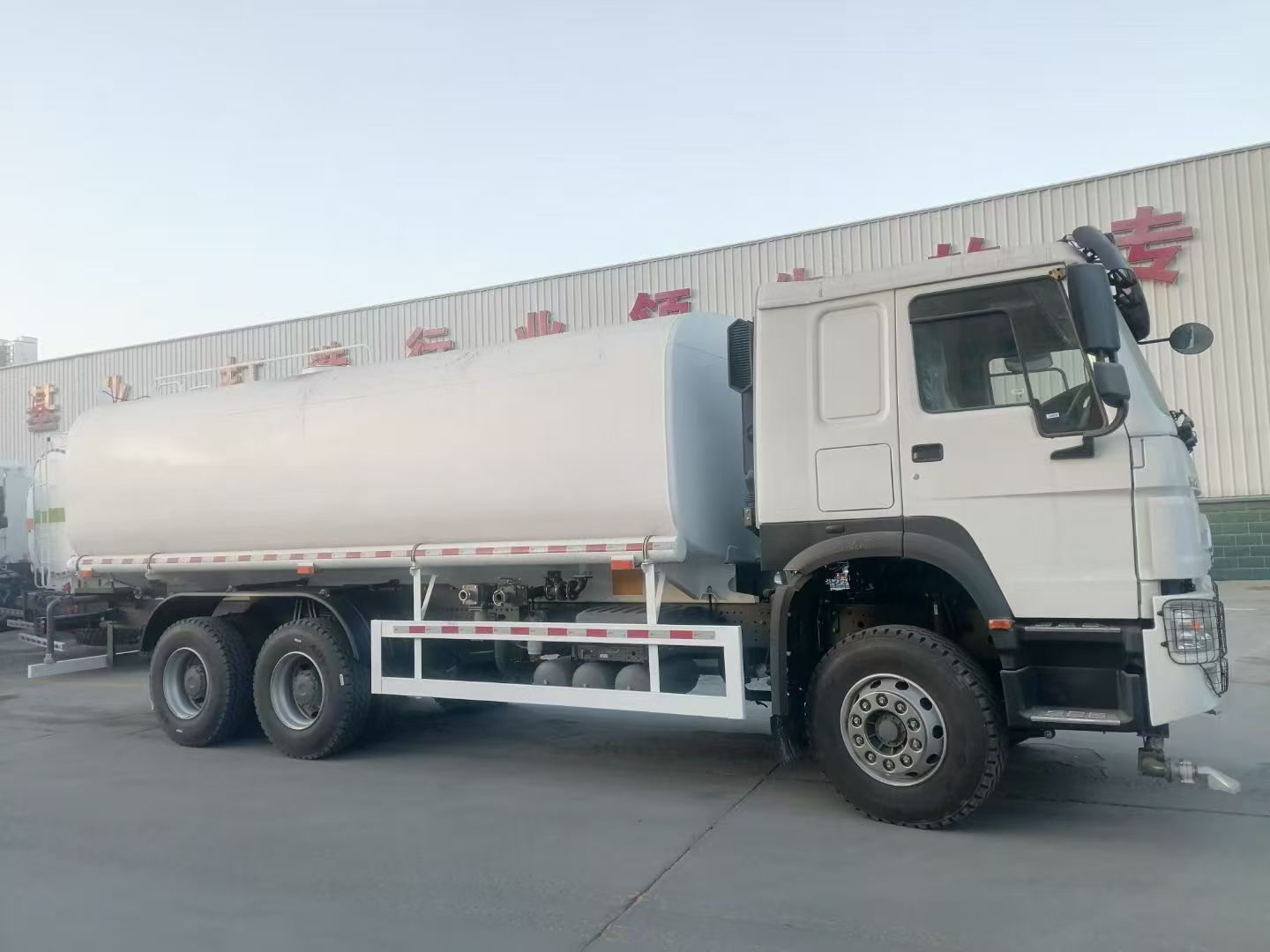
Choosing a dust suppression truck for the duty cycle
Tank capacity is only one part of the decision. A larger water tanker may reduce refill trips, but it also changes vehicle weight, maneuverability, axle loading, and access needs. A smaller unit can be easier to position in tight urban work, yet may spend more time returning to refill. The right balance starts with the length of the watering route, expected application rate, distance to water, road surface, and number of shifts.
Next, review the spray system. Rear spray bars can cover broad road sections, while side nozzles help operators treat shoulders or edges. A hand line or hose reel may be useful for localized work, but it should not replace a planned road-watering cycle. Ask how the operator will control flow, shut off spray in sensitive areas, and inspect nozzles for blockage or uneven coverage.
| Planning question | Why it matters |
|---|---|
| How long is the daily watering route? | It influences tank capacity, refill frequency, and shift coverage. |
| What is the ground and traffic condition? | It affects traction, access, and the timing of repeat passes. |
| Where is the refill point? | It determines productive spray time versus travel time. |
| Which spray zones are required? | It helps specify rear, side, and hose-based application needs. |
| Who owns daily checks? | It supports reliable inspection of the tank, pump, valves, nozzles, and safety equipment. |
Build a workable watering schedule
Good construction dust control depends on timing. Start with a route map that identifies high-traffic lanes and areas likely to dry first. Then establish trigger points: visible dust, a change in wind, a rise in traffic, or a new work front. The driver should have a clear route and radio contact with the supervisor, while the supervisor should be able to redirect the dust suppression truck as site priorities change.
A simple shift log can improve decisions. Record refill times, routes treated, weather observations, traffic peaks, and any areas that needed repeated attention. These records make it easier to compare the planned duty cycle with actual demand and to decide whether a different water tanker capacity or spray configuration is justified.
Operate safely and avoid overwatering
Water reduces dust, but excess water can create its own problems. Soft ground, runoff, reduced visibility, and slippery travel surfaces can affect people and equipment. Operators should follow the project traffic plan, maintain separation from active machinery, and stop spraying where water could create a hazard. They also need to check tank mounting, pump operation, hose condition, valves, lights, and spray pattern before each shift.
Water quality and sourcing deserve attention as well. Confirm the approved water source and any site restrictions before filling. If a project has environmental permits, erosion controls, or runoff-management requirements, the watering plan should align with them. This is operational guidance, not a substitute for the site-specific dust-control plan or local compliance advice.
A practical procurement checklist
- Map the surfaces and work zones that require regular site watering.
- Estimate water demand by route length, application frequency, and refill distance.
- Choose tank capacity and chassis access for the actual terrain and traffic plan.
- Specify the spray controls and nozzle coverage needed for roads, edges, and localized areas.
- Confirm inspection, maintenance, operator-training, and water-source procedures before deployment.
For large projects, a water truck is most effective when it is planned as a responsive site asset rather than a vehicle used only after dust becomes visible. Matching the truck to the route and monitoring field conditions helps construction teams make site watering more consistent, safer, and easier to manage.