 EN

What Factors Should Be Considered When Selecting a Camion for Construction Work?
Choosing a camion for construction work starts with the task, not a model name. A vehicle that performs well on paved regional routes may be inefficient on loose aggregate, steep grades, or a site with repeated loading cycles. From a commercial-vehicle selection advisor’s perspective, the first question is whether the camion’s duty cycle, payload, and route conditions match the project. This guide turns that question into a practical buying process.
Start with the work the camion must do
Define the job before comparing brochures. Is the camion moving excavated soil, crushed stone, concrete materials, tools, prefabricated components, or mixed cargo? Record the expected payload by load type, the number of daily trips, loading method, unloading method, route distance, and site surface. A construction camion that spends most of its time on paved roads faces a different traction and suspension requirement from one that enters wet, uneven sites every day.
Also separate occasional peak loads from the normal operating load. Selecting a camion only around an unusual maximum may add unneeded empty weight and operating expense. On the other hand, choosing a lighter truck for a regular dense-material task can create loading restrictions, wear, and scheduling delays. A useful checkpoint is payload distribution; before deciding, relate it to actual loading routines, haul distances, and local limits.
Verify usable payload instead of relying on body volume
Body size alone does not tell you what a camion can legally or safely carry. The usable payload should be reviewed against the completed curb weight, manufacturer ratings, axle ratings, tyre capacity, axle spacing, body configuration, and applicable road rules. Dense materials can reach a payload limit before the body looks full, while bulky materials may fill the body without approaching the same weight.
Ask the supplier to document the intended chassis and body weights, then compare them with the planned load. This is especially important when accessories, protective equipment, a heavier body, or special hydraulic equipment are included. The relevant technical question is whether the proposed configuration suits the material and loading pattern—not whether a larger-looking camion appears more capable.
Match axle layout and drivetrain to site conditions
Axle configuration affects how a camion distributes weight, finds traction, turns, and accumulates service work. A configuration with more driven axles may be appropriate where loose surfaces, ramps, mud, or frequent off-road movement can stop a loaded vehicle. It can also add weight, fuel use, and maintenance points. If the route and payload are stable and mostly paved, a simpler configuration may be a practical starting point.
Review the jobsite with the truck in mind: approach grades, turning areas, ground bearing conditions, drainage, bridge restrictions, and the surface at the loading and tipping points. A truck selection exercise should include seasonal conditions too. A dry-site assessment may not reflect the traction needed during rain or after repeated heavy traffic. Ask whether recovery equipment or temporary access roads are already part of the project plan; that answer changes the camion specification.
Consider body type, loading, and unloading as one system
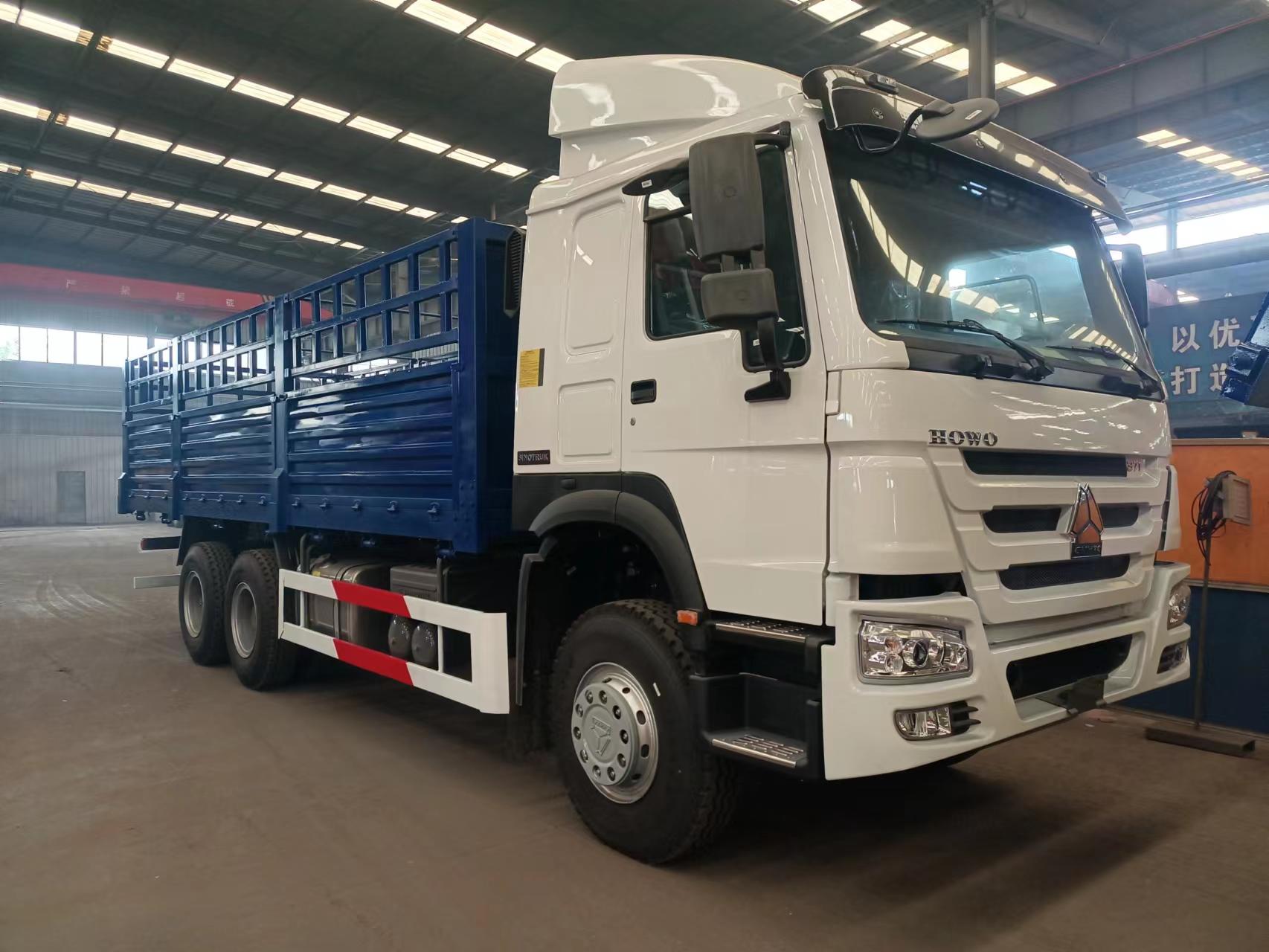
The body must suit the cargo transport task and the way material moves through the site. For aggregate or spoil, review body material, floor condition, tailgate design, and the tipping area. For equipment or palletized loads, examine deck access, tie-down planning, and safe loading height. For a construction camion, loading equipment, body design, and unload space must work together rather than be purchased independently.
Do not treat all heavy vehicle work as identical. The load’s density, abrasiveness, moisture, center of gravity, and tendency to stick or shift can affect body choice and operating procedures. Before operation, confirm the loading limit, load distribution method, and tipping or unloading controls for the actual task. Inspection access matters as well: routine checks should be reachable safely and consistently without improvisation on site.
Plan for reliability, service access, and parts support
Construction schedules are sensitive to downtime. When comparing a camion, review the service intervals, access to daily inspection points, availability of ordinary wear parts, diagnostic support, and the lead time for body or hydraulic repairs. A lower purchase price does not by itself answer the operating-cost question. The truck selection should account for lost hauling time, workshop access, and the difficulty of obtaining parts where the project operates.
Create a short acceptance checklist for the selected camion: chassis identification, declared ratings, tyre specification, body attachment details, hydraulic function where relevant, supplied documentation, and agreed inspection points. This is not simply a maintenance issue; more precisely, it is a project-readiness issue. A camion that is easy to check and service can help the team identify small concerns before they interrupt the work cycle.
Include driver, safety, and compliance requirements
A camion is only suitable when the operating environment supports safe use. Review cab visibility, access steps, mirrors or camera provisions where specified, braking performance, tyre condition requirements, lighting, load restraint needs, and the site’s traffic-management rules. Operator familiarity matters too. A configuration that is technically suitable may still require training or changes to the loading and dispatch routine.
Confirm legal dimensions, axle-load rules, licensing requirements, emissions requirements, and any project-specific documentation before finalizing the order. Requirements vary by location and route, so these checks should be verified with the local authority, project owner, and supplier rather than assumed from a generic specification.
Compare total project fit, not just purchase price
Build the decision around a few measurable questions: What load will the camion carry most often? Which part of the route creates the greatest traction or access challenge? What is the expected daily utilization? Who will service the vehicle, and where? Can the supplier provide the ratings and configuration details needed for acceptance? First clarify the task, then compare configurations, and only then discuss price.
For construction buyers, the appropriate camion is therefore a conditional choice. It should fit the material, route, surface, loading method, safety controls, and support plan of a particular project. Use the requirements list to request a documented configuration, review it against actual site conditions, and verify any remaining details before the purchase order is released.