 EN

Light Truck vs Medium Truck: Which Vehicle Is Better for Urban Distribution?
For urban distribution, the better vehicle is rarely the one with the largest body or the lowest purchase price. A light truck often wins when deliveries involve narrow streets, short routes, frequent stops, and variable drop points. A medium truck can be the stronger choice when each route carries enough volume to justify fewer, fuller trips. The practical decision starts with the daily duty cycle: payload, route access, stop density, loading method, and turnaround time.
From a fleet procurement perspective, a light truck should be compared against the work it will repeat every day—not against a generic idea of capacity. That is the specification side; the next question is how it behaves in the daily routine. For city logistics, the vehicle must fit the route as well as the cargo.
Start With the Urban Distribution Job, Not the Truck Class
Class labels vary by market and regulation, so a purchasing team should verify local weight, licensing, access, and emissions rules before finalizing a commercial vehicle. As a broad reference, U.S. sources commonly describe light trucks as vehicles up to 14,000 lb GVWR, but that figure is not a universal buying limit. What matters for cargo delivery is whether the selected vehicle can legally and efficiently complete its assigned route.
Urban freight demand is expected to grow substantially; C40 cites an 80% increase by 2030. That does not determine the correct vehicle for a particular fleet, but it does make transport efficiency more important. A route with ten close stops may reward a light truck that turns easily, parks with less disruption, and gets back to the depot quickly. A route with three large drops may reward a medium truck that reduces the number of trips.
Light Truck Strengths for City Logistics
A light truck is generally most compelling where access is constrained and delivery frequency matters. Its smaller footprint can make it easier to work through tight intersections, low-clearance areas, crowded loading zones, and mixed commercial-residential districts. For dispatchers, the practical benefit is more realistic route sequencing and fewer detours around streets that do not suit a larger body.
- Maneuverability: A light truck can be easier to position at curbside or in compact customer yards.
- Fast stop-and-go work: When cargo delivery involves many small orders, easier access can protect schedule reliability.
- Flexible assignment: A light truck may move between local distribution, service parts, retail replenishment, and short regional work if the body and payload are appropriate.
- Potentially lower unused capacity: When average loads are modest, paying to move excess vehicle capacity can reduce transport efficiency.
However, a light truck is not automatically the low-cost answer. If it repeatedly leaves with a full body and returns for extra loads, the fleet may add driver hours, fuel, and loading time. Larger capacity is not automatically better, but insufficient capacity can be just as expensive when it creates avoidable repeat trips.
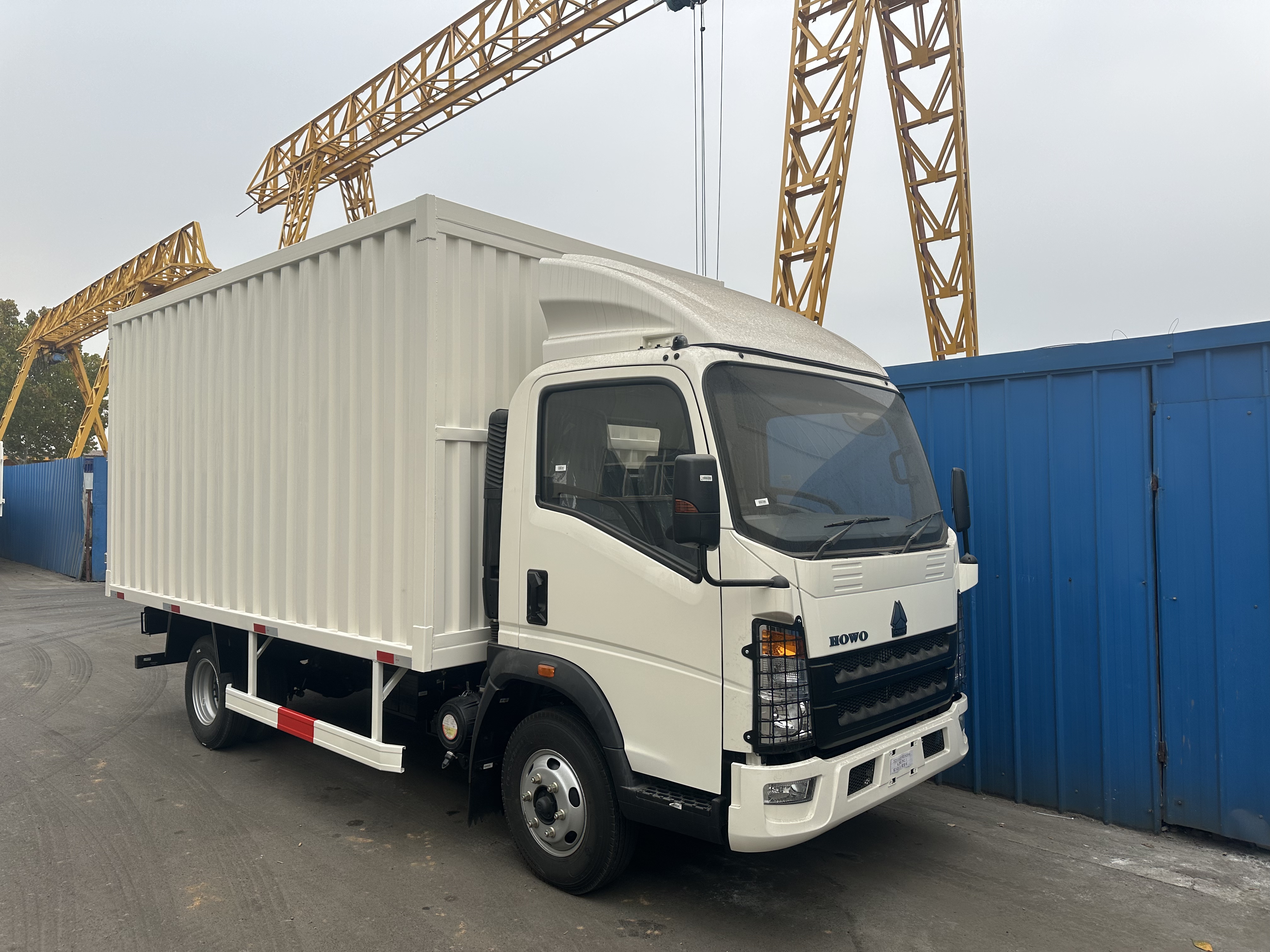
When a Medium Truck Is the Better Urban Distribution Tool
A medium truck becomes attractive when the route has dependable volume, wider access, stable loading points, and a clear opportunity to consolidate shipments. For supermarket replenishment, palletized business-to-business cargo delivery, or routes that combine a few substantial drops, a medium truck may carry enough product to improve vehicle utilization.
Payload is not the only advantage. A medium truck may allow the operator to choose a body layout, loading height, and cargo-securing arrangement that better suits the goods. But this only improves transport efficiency if the truck can reach customer sites, wait legally, turn safely, and unload without blocking the operation. A useful checkpoint is loading-bay access; before deciding, relate it to the actual receiving schedule and handling equipment.
| Decision factor | Light truck tends to fit | Medium truck tends to fit |
|---|---|---|
| Street access | Narrow roads, dense districts, limited parking | Planned industrial or commercial access |
| Stop pattern | Many short stops and frequent route changes | Fewer, larger, predictable drops |
| Load profile | Modest or variable loads | Consistent high-volume or palletized loads |
| Handling workflow | Quick handoff or smaller unloading tasks | Dock, forklift, liftgate, or scheduled unloading |
| Fleet priority | Agility and assignment flexibility | Consolidation and capacity utilization |
Compare Total Route Output, Not Payload in Isolation
A useful comparison measures what each commercial vehicle delivers per shift. Track completed stops, loaded and empty kilometers, average load utilization, loading time, waiting time, failed-delivery rate, and driver overtime. A light truck with less payload may still create better route output if it avoids access restrictions and completes more successful drops. Conversely, a medium truck may be the better investment if it prevents a second departure and keeps the route within operating hours.
First clarify the task, then compare configurations, and only then discuss price. Include service access in the assessment as well. The relevant technical question is whether the wheelbase, body dimensions, powertrain, suspension, and loading equipment suit the actual condition. Final configuration details should be confirmed with the manufacturer or supplier rather than inferred from a class name.
A Practical Selection Checklist
- Map every route by road width, turning points, delivery windows, access restrictions, and legal parking options.
- Review 60 to 90 days of cargo delivery data: average load, peak load, volume, pallet count, and stop count.
- Separate stable high-volume routes from mixed or seasonal routes; they may need different vehicles.
- Check the loading and unloading workflow, including dock height, lift equipment, and time at each stop.
- Model a light truck and medium truck against the same route plan, including return trips and failed-access risk.
- Confirm local compliance requirements and final specifications before placing an order.
Which Vehicle Should You Choose?
Choose a light truck when city logistics depends on agility: constrained streets, frequent stops, lighter loads, variable destinations, and short cycle times. Choose a medium truck when cargo delivery is consistently dense enough to benefit from consolidation and the route can support its dimensions and unloading needs.
For many fleets, the answer is not one universal winner. A light truck can cover high-frequency urban work while a medium truck handles scheduled, higher-volume lanes. The right commercial vehicle mix follows verified route data, not a headline capacity figure. Before operation, confirm payload, body layout, route access, and service support for the actual task.
FAQ
Is a light truck more efficient in every city route?
No. A light truck can be more efficient on access-constrained, multi-stop routes, but a medium truck can perform better when it replaces several partially loaded trips with one practical consolidated route.
What is the most important factor in choosing a truck for urban distribution?
Match the vehicle to the route and workflow. Payload, stop density, street access, loading equipment, delivery windows, and utilization should be assessed together.
Can one fleet use both light and medium trucks?
Yes. Assigning each commercial vehicle class to the route pattern it fits can improve flexibility and transport efficiency, provided fleet managers review utilization regularly.