
 EN

How Does a Semi Trailer Connect to a Tractor Truck?
A semi trailer does not carry its own front axle. Instead, its front end is supported by the tractor through a fifth-wheel coupling. That simple arrangement is the foundation of a tractor trailer connection, but it only works safely when the driver aligns the units, confirms the lock and connects the service lines in the right order.
For fleet operators, owner-drivers and buyers specifying equipment for freight work, understanding the coupling sequence helps with driver training, daily inspections and choosing a compatible semi trailer system. The components are robust, yet the connection depends on a few checks that require a deliberate pace.
The parts that make the connection work
The mechanical connection starts with the tractor's fifth wheel: a lubricated, slotted coupling plate mounted above the drive axles. At the front underside of the semi trailer is a kingpin. When the tractor reverses under the trailer, the kingpin enters the fifth-wheel throat and the locking jaws close around it. The fifth wheel then carries a share of the trailer's loaded weight while allowing the tractor and trailer to pivot through turns.
- Kingpin: the hardened pin on the trailer that the fifth wheel grips.
- Fifth wheel and locking jaws: the tractor-mounted coupling that receives and secures the kingpin.
- Landing gear: supports the front of the parked semi trailer before coupling and after uncoupling.
- Air lines: typically the service and supply connections that operate trailer braking functions.
- Electrical connector: carries lighting and, where equipped, other trailer signals.
Although the terms are often used together, the fifth wheel coupling is only one part of the full system. A reliable tractor trailer connection also requires the right trailer height, compatible coupling hardware, intact air and electrical connections, and a deliberate verification routine.
Prepare the semi trailer before backing in
Start on firm, reasonably level ground whenever conditions allow. Secure the tractor, inspect the fifth wheel for obvious damage or contamination, and make sure its surface is appropriately lubricated according to the equipment maker's guidance. Look at the locking mechanism as well: it should be open and ready to receive the kingpin, not partially closed.
Next, inspect the semi trailer. The kingpin should not show obvious bends, cracks or severe wear. Check the apron area around it, the landing gear and the front of the trailer for visible damage. Confirm the trailer is high enough for the fifth wheel to lift it slightly as the tractor backs underneath. If the trailer is too low, the tractor can strike the trailer frame instead of sliding under it; if it is too high, the kingpin may not seat correctly in the jaws.
Before moving, verify the trailer is secured against unintended rolling and clear people from the coupling zone. Keep people out of the space between the tractor and semi trailer during the final approach.
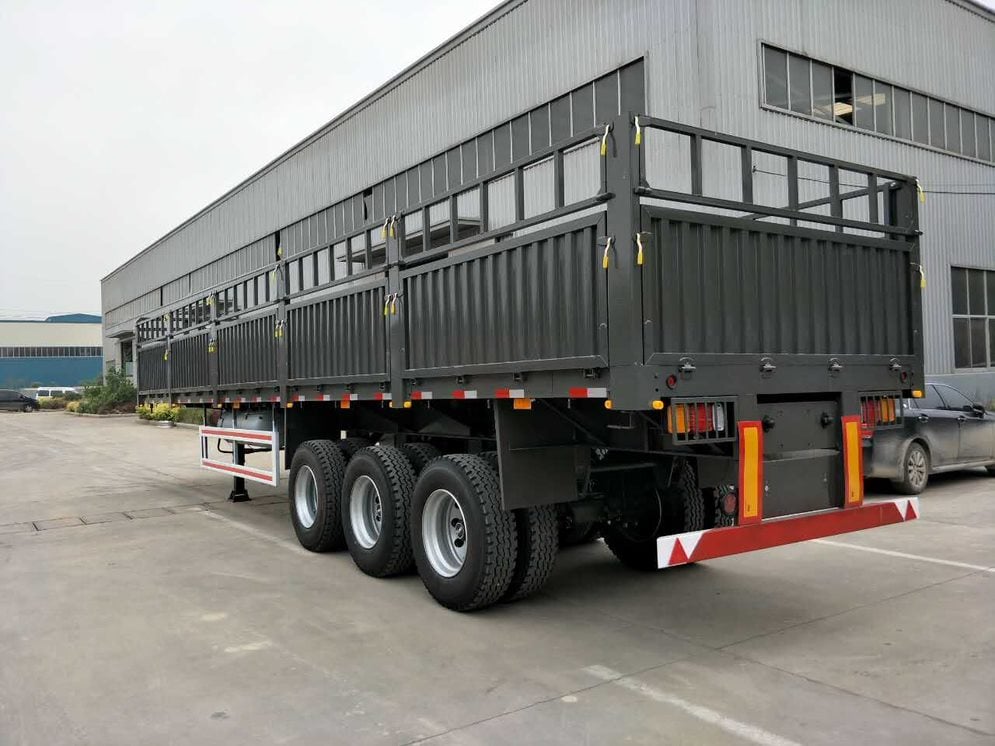
Step-by-step fifth wheel coupling
- Align the tractor. Position the tractor straight in front of the trailer so the fifth wheel lines up with the kingpin. A straight approach reduces side loading and makes the lock easier to inspect.
- Reverse slowly under the trailer. Back at a controlled pace. The fifth wheel should contact the trailer apron and slide beneath it while lifting the trailer just enough to take weight off the landing gear.
- Listen and stop after engagement. The locking jaws should close around the kingpin. Do not treat sound alone as proof of a complete lock.
- Set the tractor brake and inspect. Exit only when it is safe. Look into the fifth-wheel opening and confirm that the jaws fully surround the kingpin and that the release handle is in its locked position. Follow the tractor and fifth-wheel manufacturer's specific visual-check instructions.
- Perform a controlled tug test. With the trailer brakes applied, gently pull forward against the connection. This is a confirmation step, not a replacement for the visual inspection.
- Connect the lines. Attach the air lines and electrical connector without kinks, chafing or excessive slack. Confirm the lines will not snag during a turn.
- Raise and secure landing gear. Only after the lock is verified should the landing gear be fully raised and secured for travel.
Finish the trailer operation check
Coupling is not complete when the kingpin locks. Build a short trailer operation walk-around into the routine. Check that air connections are seated, the electrical plug is engaged, and the lines are supported rather than dragging. Test trailer lights and brake response according to local operating rules. Check that doors, body locks and load restraints are secure for the trailer type in use.
On a new route, after servicing the vehicle, or after a hard coupling, take extra time to look for leaks, unusual clearance or damage around the fifth wheel. A semi trailer system is designed to articulate, so some movement is normal; unusual play, a loose release handle or visible damage is not. Stop and have a qualified technician assess any concern rather than trying to compensate with an improvised repair.
Common coupling mistakes to avoid
The most preventable problems occur when a driver assumes the connection is complete too early. A high hook can happen when the trailer sits too high and the kingpin does not enter the jaws correctly. A false lock can happen when the jaws appear to engage but have not fully captured the kingpin. Skipping the visual check, tug test or line inspection turns a small setup error into a road risk.
Other avoidable mistakes include backing at an angle, coupling on unstable ground, raising landing gear before confirmation, and driving with air or electrical lines crossed, pinched or unsecured. Training should focus on the sequence, not only on speed. The same disciplined method works across dry vans, flatbeds, tank trailers and other semi trailer applications, while the exact equipment checks remain specific to the vehicle manual and local regulations.
A practical checklist for drivers and buyers
| Before coupling | After coupling |
|---|---|
| Inspect fifth wheel, kingpin, apron and landing gear. | Verify locking jaws visually and check the release handle. |
| Set the correct trailer height and align straight. | Perform a controlled tug test with trailer brakes applied. |
| Secure the area and keep people clear of the gap. | Connect air and electrical lines; test lights and braking response. |
| Use the equipment manufacturer's procedures for the tractor and trailer. | Raise landing gear and complete a walk-around before departure. |
Conclusion
A semi trailer connects to a tractor truck when the trailer kingpin is fully captured by the tractor's fifth wheel, followed by verified air and electrical connections. The process is straightforward, but it is not a shortcut: correct height, straight alignment, visual lock inspection, a controlled tug test and a final walk-around all matter. For logistics operations serving varied road and cargo conditions, a repeatable coupling routine protects people, equipment and schedules.