 EN

How to Choose the Right Oil Tank Truck Solution for Fuel Distribution?
Choosing an oil tank truck is not a matter of selecting the largest tank or the lowest quoted price. For a fuel distributor, the useful question is whether the vehicle fits the liquid to be carried, the delivery route, the unloading routine, and the checks your team can carry out consistently. From a fleet-procurement perspective, an oil tank truck should be specified from the operating task backward—not from a brochure forward.
That approach helps make fuel distribution more predictable. It also gives purchasing, operations, and maintenance teams a common way to compare an oil tank truck before committing to a final configuration. The right choice may depend on details that must be verified with the final specification and the regulations that apply where the vehicle will work.
Start with the delivery job, not the tank size
Begin by writing a short duty-cycle brief for the oil tank truck. Identify the fuel or fuels, daily volume, expected stop count, route distance, road surface, site access, loading method, and unloading method. A truck serving a few predictable depot-to-depot movements can have different priorities from an oil tank truck completing many deliveries to constrained commercial sites.
What will the oil tank truck actually carry, and how will it be unloaded? This direct question exposes the inputs that a generic capacity figure cannot answer. Ask whether loads must stay separate, whether delivery points have their own receiving equipment, whether the truck’s pump is expected to support the workflow, and whether the route includes gradients, rough surfaces, narrow access, or frequent stop-and-go operation.
For transport planning, include the delivery window and the realistic turn time at each location. An oil tank truck that appears efficient on a route map may lose time if hose handling, access, or inspection points do not fit the actual routine. First clarify the task, then compare configurations, and only then discuss price.
Match the tank arrangement to the product mix
Capacity is only one part of an oil tank truck decision. If one vehicle must serve several grades or customers, compartment layout can be as important as total volume. Separate compartments may support a planned delivery mix, but the correct arrangement depends on the carried medium, cleaning practices, loading sequence, axle limits, and applicable requirements. Treat compatibility and segregation as points to verify with the supplier and the local compliance team.
Internal tank features deserve the same practical review. Industry guidance commonly describes baffles as structures that reduce forward and rearward liquid movement; that makes surge control a useful topic when evaluating an oil tank truck for braking, route conditions, and partial loads. Larger capacity is not automatically better. A useful checkpoint is the expected fill level; before deciding, relate it to braking, turning, and the actual road profile.
Material choice also requires context. Rather than assuming that one tank material is universally preferable, discuss the fuel, climate, cleaning chemicals, external exposure, expected service interval, and repair support. The relevant technical question is whether the proposed material and finish suit the operating condition. Final material, wall design, fittings, and certification requirements should be confirmed from the approved specification.
Make loading and unloading part of tanker selection
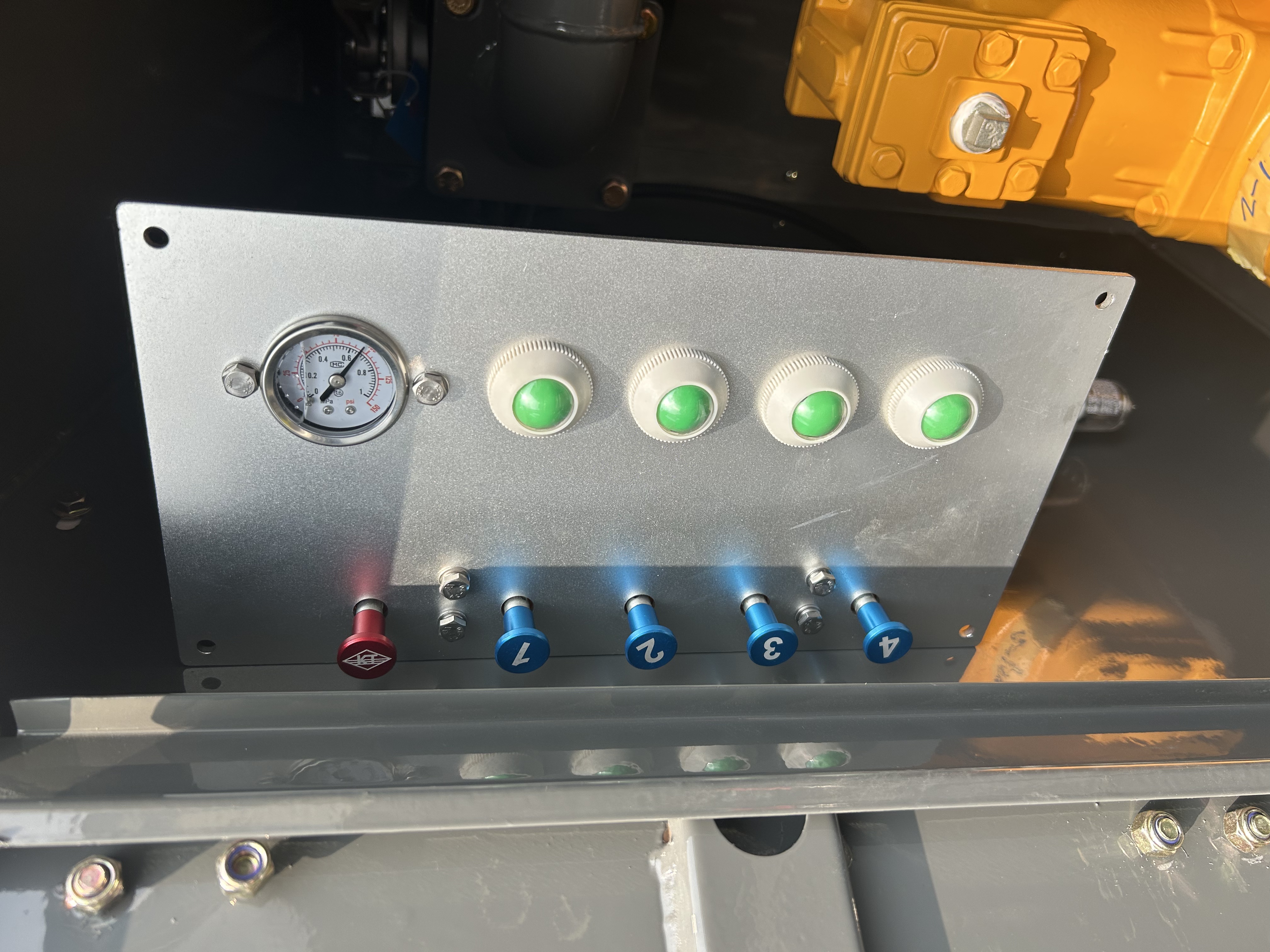
A sound tanker selection process follows the fuel through the whole trip. Map the loading connection, valves, hoses, pump or gravity-discharge arrangement, receiving connection, and emergency procedure. This is where an oil tank truck stops being a capacity purchase and becomes an operating system.
For flammable-liquid work, site rules and national requirements matter. For example, U.S. 49 CFR contains operating provisions for Class 3 materials during loading and unloading, including a general restriction on engine operation unless it is needed to run a pump. That is not a universal rule for every destination; it is a reminder to confirm the rules that govern your fuel distribution network. Ask the supplier to document which safety-related components, connections, and operating boundaries are included in the proposed oil tank truck.
Grounding, bonding, overfill controls, vapor-handling interfaces, emergency shutoff arrangements, and hose management should be discussed as a site-and-vehicle package. A feature list alone does not prove suitability. Before operation, confirm the required check points for the actual task, the receiving sites, and the applicable rules.
Check chassis, route fit, and service access
The tank body cannot be evaluated separately from the chassis. For each oil tank truck option, review gross-weight assumptions, axle layout, turning needs, tire and suspension suitability, gradeability expectations, and fuel-delivery access. A standard configuration may not suit the route. Road conditions alter configuration priorities, especially where a loaded oil tank truck will travel over uneven roads or enter restricted sites.
Next, examine daily inspection and maintenance access. Can operators safely reach the points that need checking? Can technicians access valves, piping, hose storage, and other service items without creating avoidable downtime? That is the specification side; the next question is how it behaves in the daily routine. An oil tank truck with a workable inspection plan can be easier to manage than a superficially similar vehicle with difficult access.
For petroleum logistics, request a configuration confirmation record that connects the chassis, tank, compartments, unloading equipment, and destination assumptions. This helps prevent a common buying error: comparing supplier quotations that do not represent the same operating scope.
Compare proposals with a consistent matrix
Use the same questions for every oil tank truck quotation. A simple matrix can compare the following:
- carried fuel and required compartment plan;
- planned payload, route, stops, and site-access constraints;
- loading and unloading workflow, including receiving-site interfaces;
- proposed tank, chassis, safety, and inspection provisions;
- documentation, acceptance checks, service access, and spare-parts planning; and
- items that require local regulatory or technical confirmation.
A lower initial price does not by itself answer the operating-cost question. Compare expected utilization, inspection time, maintenance access, and the cost of an unsuitable oil tank truck being unavailable during a delivery schedule. Keep claims evidence-bounded: ask for drawings, specification sheets, component lists, and configuration confirmation rather than relying on labels alone.
Send a decision-ready inquiry
Before requesting a final offer, send the supplier a structured brief for the oil tank truck: the delivered products, intended compartment use, target volume, route conditions, delivery-point constraints, unloading method, chassis preferences, destination, and documentation requirements. JINAN CMHAN TRUCK SALES CO.,LTD. supports truck and trailer procurement discussions for logistics and goods-transport applications; a clear task brief makes the configuration review more useful.
A suitable oil tank truck solution is therefore one that matches a documented distribution task and can be verified before handover. If route and payload are stable, this may be a practical starting point: select the fuel-delivery requirements first, test each proposed configuration against them, and finalize only after technical and compliance details are confirmed.
Frequently asked questions
How do I choose the right oil tank truck capacity?
Choose oil tank truck capacity after reviewing delivery volume, route length, legal weight limits, site access, compartment needs, and the consequences of partial loads. Capacity alone is not a complete selection criterion.
Why are compartments important in an oil tank truck?
Compartments can help an oil tank truck serve planned fuel mixes and delivery sequences. Their number and layout should be confirmed against the carried products, operating procedures, and applicable requirements.
What should be verified before ordering an oil tank truck?
Verify the final oil tank truck specification, route and payload assumptions, loading and unloading workflow, safety-related equipment, local compliance requirements, documentation, inspection access, and handover criteria.