
 EN

How to Choose the Right Light Truck Body for Cargo?
Choosing a light truck body is not mainly about finding the biggest box that fits the chassis. The useful question is whether the body, load, route, loading method, and daily work routine fit together. From a fleet procurement perspective, start with the job the vehicle must repeat, then compare configurations, and only then discuss price.
A light cargo truck may handle cartons, packaged goods, tools, building materials, or mixed deliveries. Those loads do not ask for the same cargo body. A body that looks versatile can still slow loading, complicate restraint, or leave too little margin for legal payload. This guide turns truck body selection into a practical sequence of checks.
1. Describe the cargo before choosing a cargo body
Write down what the vehicle will carry on most trips, not just the heaviest item it may carry once. Record the typical load dimensions, weight, stacking method, moisture sensitivity, and whether goods are loose, palletized, or secured in racks. Also note how often the load changes during the week.
For dry, weather-sensitive packaged goods, an enclosed van body may be the starting point. For long, awkward, or crane-loaded materials, an open platform or dropside arrangement may make more operational sense. Refrigerated, liquid, hazardous, or highly regulated cargo needs task-specific engineering and local compliance checks rather than a generic delivery truck recommendation.
A useful checkpoint is payload distribution. Before deciding, relate it to the actual loading and unloading routine. Cargo volume alone is not a selection rule: a large body may invite a load pattern that exceeds the chassis rating, axle limits, or applicable road rules. Confirm the final chassis documentation and local regulations before ordering.
2. Match body type to loading and unloading
How goods enter and leave the light truck often decides the most useful body configuration. Rear-door access can work well for dock deliveries and hand-loaded cartons. Side access can reduce walking distance for multi-stop routes. A curtain-side or dropside format can make forklift access easier where space and cargo shape permit. A flatbed can be flexible, but flexibility is different from being suitable for every load; restraint planning becomes especially important.
- Enclosed box body: consider it for weather protection, branded delivery work, and loads that benefit from a controlled enclosed space.
- Dropside or platform body: consider it when side loading, oversized items, or equipment access matters more than enclosure.
- Tipper body: assess it for bulk materials and unloading tasks, with the full stability, route, and operating procedure reviewed for the application.
- Special-purpose body: use a defined cargo and process brief; it should not be specified from appearance alone.
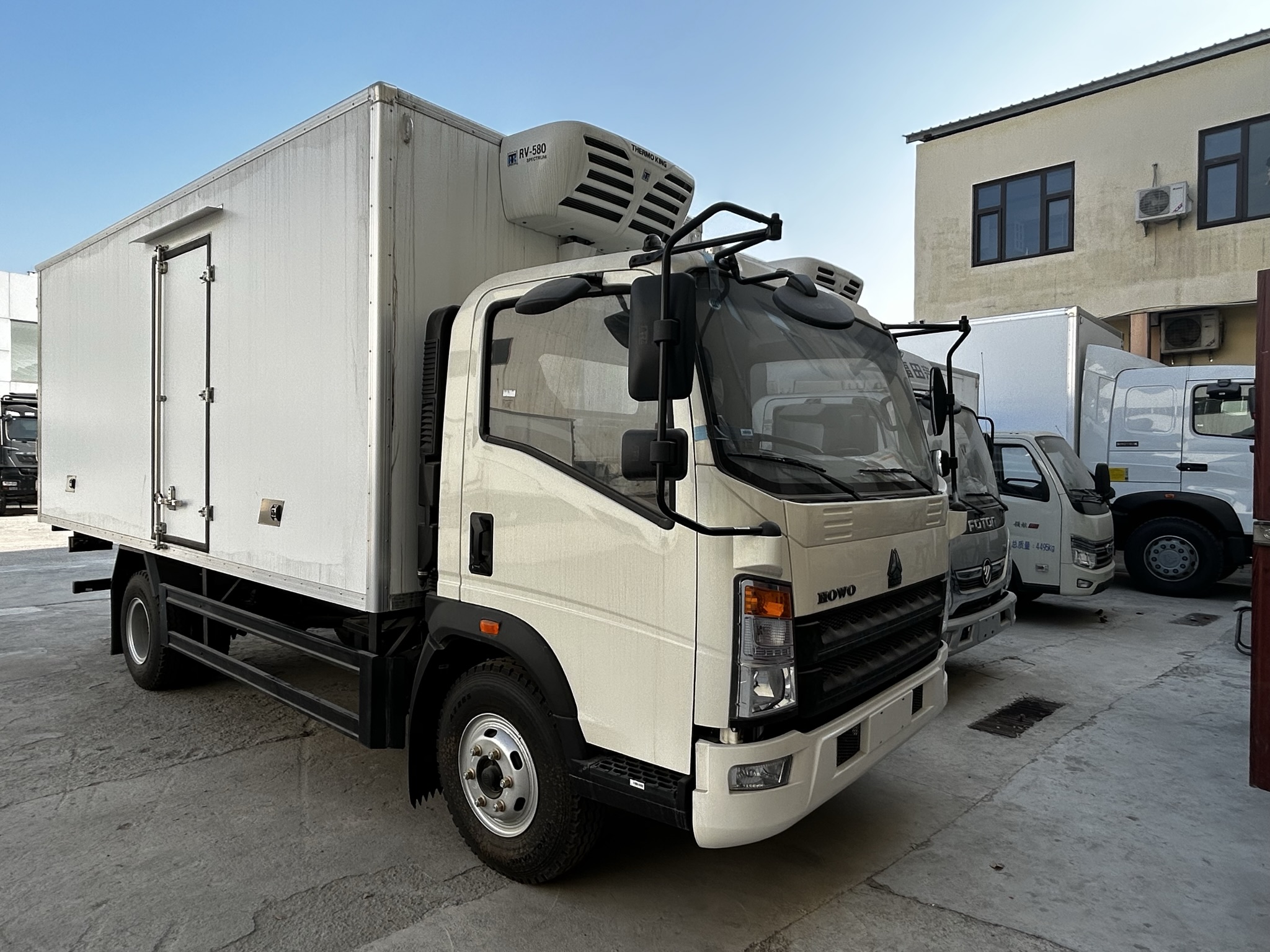
3. Check the chassis-to-body relationship
A cargo body is only one part of the vehicle system. The body builder and buyer should verify the chassis wheelbase, mounting requirements, available payload after body weight, axle distribution, tire and suspension suitability, and any equipment that changes the final mass. Ask for the weight of the proposed body and accessories in writing, then review it against the intended payload.
This is where a light cargo truck purchase can become misleading if the conversation stays at overall dimensions. A longer body may create better cubic capacity, yet it can change overhang, turning behavior, loading balance, and access on narrow delivery streets. The relevant technical question is whether the finished vehicle suits the expected route and duty cycle.
4. Plan for the route, not only the warehouse
Map a normal delivery day: road surface, hill grades, tight turns, bridge or height restrictions, customer-yard access, loading docks, and the number of stops. An urban delivery truck may need a different turning and access priority from a vehicle that runs between a warehouse and a construction site. In wet, dusty, coastal, or high-corrosion environments, include material protection, drainage, seals, and inspection access in the review.
Also consider where the vehicle will be parked and serviced. Can drivers reach tie-down points safely? Can they inspect hinges, doors, lights, underbody areas, and body mounts without improvisation? Overlooking access for routine inspection can turn a seemingly simple body choice into avoidable downtime.
5. Specify restraint, protection, and working safety
Truck body selection should include the way cargo is restrained. Tie rails, anchor points, partitions, flooring, anti-slip surfaces, shelves, and load barriers need to match the goods and loading practice. Do not assume that more anchors automatically solve a poor loading plan; their placement, rating, and use must be confirmed for the final body and cargo process.
For an enclosed cargo body, ask how doors are retained, how interior lighting supports loading, and whether water entry or ventilation needs attention. For open bodies, check the restraint method, edge protection, and weather exposure. Safety requirements and legal duties differ by market, cargo type, and operation, so confirm the applicable rules with qualified local parties.
6. Compare total operating fit, not purchase price alone
A lower initial price does not by itself answer the operating-cost question. Compare expected loading time, driver walking distance, damage risk, cleaning needs, access for repairs, availability of replacement parts, and the practical effect of downtime. If the route and payload are stable, a focused configuration may be a practical starting point. If the work changes frequently, define the acceptable compromise rather than assuming one body will optimize every task.
CMHAN's merchant profile indicates a focus on commercial trucks, semi-trailers, and equipment for logistics and goods-transport customers. For any supplier discussion, provide a clear operating brief and ask for the final specification, body weight, mounting approach, and delivery scope to be confirmed before purchase.
A short decision checklist
- What cargo is carried most often, and how is it loaded?
- What payload remains after the chosen cargo body and accessories are fitted?
- Which access points are needed at delivery locations?
- How will cargo be restrained, protected, and inspected?
- Which route, climate, service, and compliance conditions must the final light truck meet?
The right light truck body is the one that fits a defined cargo task with verified chassis, payload, loading, and route conditions. Treat the final specification as a document to check, not a detail to fill in after the decision.