 EN

How Does HOWO Compare With Other Heavy-Duty Truck Platforms?
A useful HOWO comparison starts with a correction: a platform name is not a finished fleet decision. A HOWO tractor, tipper, mixer, tanker, or cargo chassis may be offered with different driveline, axle, cab, body, and service arrangements. The same is true of other heavy-duty platforms. For a fleet buyer, the relevant question is not “Which badge wins?” but “Which confirmed configuration fits this payload, route, duty cycle, and support plan?”
From a fleet-procurement viewpoint, that distinction matters because an apparently lower purchase price, a familiar platform, or an impressive brochure feature does not settle the operating-cost question. This heavy truck review uses a practical comparison framework for buyers evaluating HOWO alongside other commercial-vehicle platforms without turning incomplete specifications into promises.
Start a HOWO Comparison With the Work, Not the Nameplate
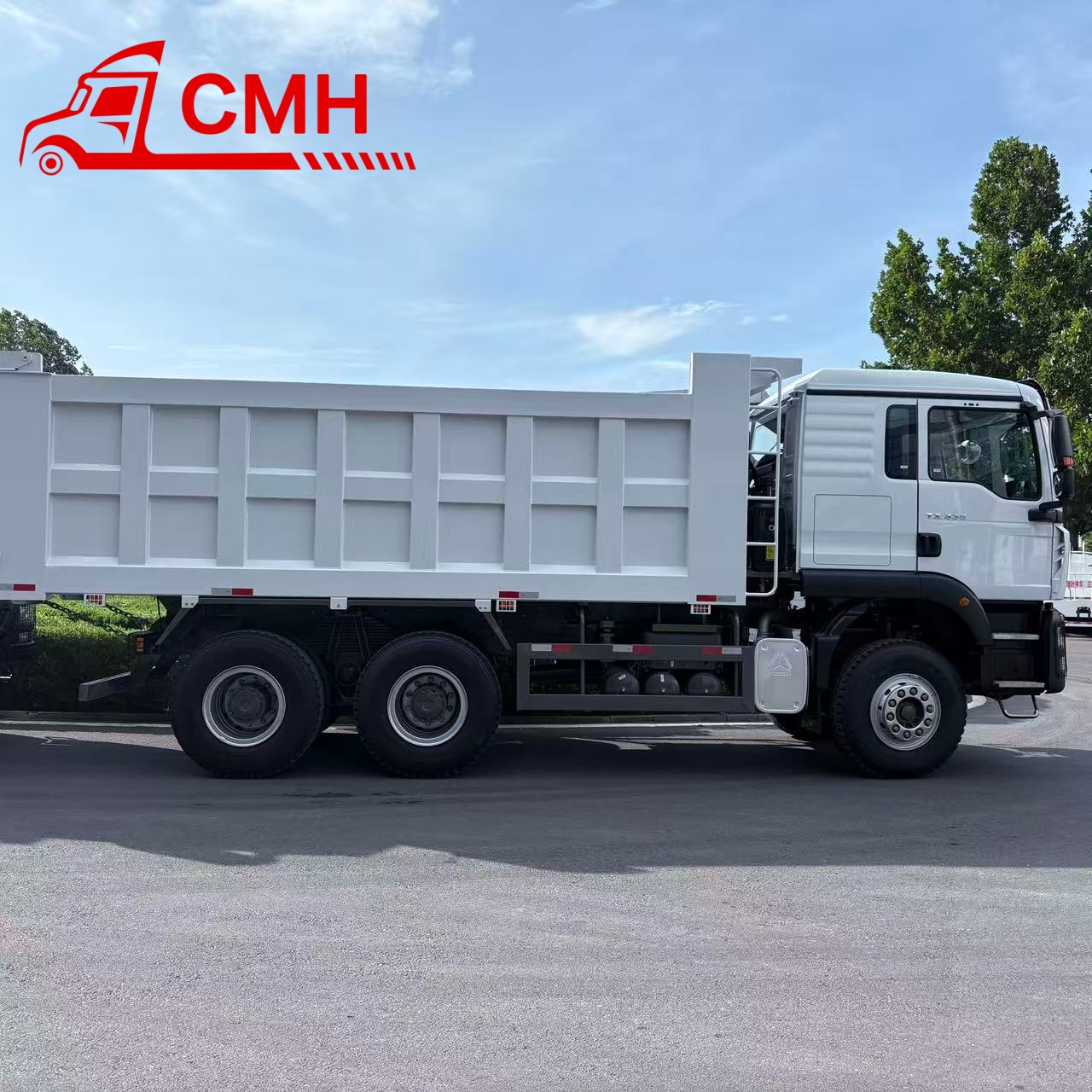
Before comparing HOWO with another heavy-duty truck platform, write down the job in operational terms. Include the typical and peak payload, route length, surface conditions, gradient, loading method, unloading method, daily starts, idle time, planned annual utilization, and the body or trailer required. A construction tipper on variable site roads should not be evaluated by the same priorities as a long-haul tractor moving predictable loads on paved corridors.
That is the specification side; the next question is how the vehicle behaves in the daily routine. A useful checkpoint is the final configuration: before deciding, relate it to actual loading, unloading, parking, fueling, inspection, and workshop practices. A generic 6×4 label, for example, does not by itself tell a buyer whether axle ratings, tire choice, suspension, body layout, or local legal limits fit the assignment.
For every commercial vehicle under consideration, ask these first:
- What load is carried most often, and how is its weight distributed?
- Which route conditions drive wear, traction, braking, and suspension priorities?
- What axle, gross-weight, dimension, and emissions rules apply in the destination market?
- Who will service the truck, and which parts must be planned before delivery?
- Which document confirms the exact engine, gearbox, axle, cab, and body specification?
Where HOWO Can Be a Strong Candidate—and Where Verification Still Matters
HOWO is commonly considered where buyers need a heavy-duty platform for logistics, construction, municipal work, or industrial and agricultural transport. That can make it a practical candidate for fleets that need to compare chassis layouts and task-specific bodies across several working environments. It is not, however, evidence that every HOWO configuration is suitable for every route or load.
In a disciplined HOWO comparison, separate platform availability from confirmed vehicle capability. Request a configuration sheet that identifies the exact model, drive arrangement, axle specification, rated capacities, tire specification, braking and safety equipment, cab arrangement, and body interface. Then compare that document against the competitor’s equivalent specification, line by line. If the route and payload are stable, this may be a practical starting point; if the duty cycle changes frequently, build in a wider operating margin and confirm the implications with qualified technical personnel.
Compare Platforms Across Five Fleet-Selection Criteria
| Criterion | What to compare | Why it matters |
|---|---|---|
| Task fit | Payload, body type, driveline, axle layout, loading and unloading workflow | A truck that is wrong for the job can create avoidable wear and operational friction. |
| Route fit | Road surface, grades, turning space, climate, fuel availability, legal limits | Road conditions can alter configuration priorities more than a headline feature does. |
| Serviceability | Inspection access, workshop tools, parts identification, repair procedures, local support scope | Maintenance access affects planned downtime as well as repair cost. |
| Lifecycle economics | Acquisition cost, utilization, fuel use, maintenance history, downtime, resale assumptions | A lower initial price is not automatically a lower ownership cost. |
| Evidence quality | Signed specification, warranty terms, delivery checklist, service commitments, destination compliance documents | Comparable evidence prevents marketing language from becoming an unsupported fleet assumption. |
Fleet lifecycle guidance consistently favors this broader view. Cost per mile, maintenance cost per mile, downtime, utilization, and total cost of ownership are more useful than purchase price alone. The right metrics and units will vary by fleet, but the principle is portable: use the same measurement method for HOWO and every alternative in the shortlist.
Howo Comparison: Avoid an Unequal Specification Match
The most common weak comparison pairs a broadly described HOWO truck with a fully specified alternative. Instead, normalize the comparison. Put both offers into the same worksheet, using the same expected payload, body requirements, annual operating profile, route profile, maintenance interval assumptions, and destination regulations.
First clarify the task, then compare configurations, and only then discuss price. If one quote includes a body, auxiliary equipment, inspection preparation, or spare-parts package and the other does not, record the difference rather than calling one platform cheaper. Similarly, a platform with a different cab, powertrain, axle ratio, or body-builder interface may change driver workflow and workshop planning. Those differences are worth examining, but they are not automatically advantages or disadvantages outside the stated application.
Maintenance, Parts, and Local Support Belong in the Heavy Truck Review
A heavy truck review that ends with engine output or cab features is incomplete. Ask how a fault is diagnosed, how a part is identified, what routine inspections can be performed safely, which parts are stocked locally, and how a technical issue is escalated. Service coverage should be checked for the buyer’s actual operating area, not assumed from a country list or a general supplier statement.
JINAN CMHAN TRUCK SALES CO.,LTD. describes its business scope as trucks, semi-trailers, and construction equipment for logistics, road construction, municipal construction, and industrial or agricultural transport. Its profile also identifies local support in Tanzania and Mongolia, but a fleet should verify the current scope, response process, parts availability, and model-specific support before treating that information as a purchase commitment. This is a verification direction, not a confirmed performance claim.
Use a Short Decision Sequence Before Selecting a Commercial Vehicle
- Define the assignment. Capture payload, body, route, daily cycle, climate, and compliance conditions.
- Request equivalent documents. Obtain confirmed specifications and commercial terms for HOWO and each alternative.
- Score operational fit. Evaluate task fit, route fit, serviceability, and evidence quality before discussing a preference.
- Model the lifecycle. Track acquisition, planned maintenance, likely downtime exposure, utilization, and replacement assumptions using one method.
- Confirm handover readiness. Check documentation, inspection points, parts references, training needs, and escalation contacts before acceptance.
What will the fleet actually carry, and how will it be loaded and unloaded? That direct question often reveals more than another generic platform comparison. It can also show when a standard configuration may not suit the route, even when the platform itself is credible.
When Does HOWO Make Sense for Fleet Selection?
HOWO may make sense when the confirmed configuration aligns with the job, the required documentation is available, and the buyer can support the unit with an appropriate parts and service plan. Another platform may make more sense when its confirmed configuration, workshop ecosystem, regulatory fit, or lifecycle assumptions better match the assignment. The responsible conclusion is conditional, not promotional.
For a reliable fleet selection, treat HOWO as one candidate in a controlled comparison rather than a shortcut to a decision. Ask for like-for-like specifications, confirm destination requirements, include the maintenance team in the review, and document the basis for each choice. That approach produces a more useful commercial-vehicle decision than a blanket claim about durability, value, or suitability.
FAQ
Is HOWO better than every other heavy-duty truck platform?
No. Suitability depends on the confirmed configuration, intended workload, route conditions, applicable regulations, service resources, and total operating plan.
What should a fleet compare besides truck price?
Compare the exact specification, payload and route fit, maintenance access, parts plan, downtime exposure, documentation, and lifecycle-cost assumptions.
Can a generic HOWO model name confirm the right configuration?
No. Use the model name to begin an inquiry, then confirm the final truck specification and body arrangement against the actual assignment.