
 EN

How Does an Enclosed Van Truck Protect Cargo During Transport?
A commercial van truck protects freight by putting a physical envelope around the load, then pairing that envelope with sound loading and restraint practices. The enclosed cargo body can reduce exposure to rain, road spray, dust, sunlight, and casual access. It can also create a more controlled space for pallets, cartons, equipment, and bagged goods. Still, a body alone does not keep freight from moving. Effective cargo protection comes from the body, the load plan, and the people who inspect and secure the shipment.
An enclosed cargo body creates the first protection layer
The most visible advantage of a van truck is its enclosed cargo body. Unlike an open deck, the body places roof panels, side walls, rear doors, and often a finished floor between the cargo and the outside environment. This helps protect packaging from direct weather exposure during loading stops, highway travel, and overnight parking. For freight transportation involving cartons, appliances, spare parts, consumer goods, or materials that should remain clean, this barrier can be as important as payload capacity.
The protection is practical rather than absolute. Door seals, roof joints, floor condition, drainage paths, and previous body repairs all affect how well a van body truck keeps water and dust out. A pre-trip walkaround should include the roofline where visible, door gaskets, hinges, locking hardware, side panels, and the cargo floor. If a seal is torn or a floor is damaged, the cargo area may need repair or a different loading plan before sensitive goods are accepted.
Weather shielding is not the same as cargo restraint
An enclosed body keeps outside conditions away from the load, but it does not automatically stop the load from shifting. Braking, cornering, uneven surfaces, and route vibration can move unsecured freight inside a van truck. That is why cargo protection should start with weight distribution: place heavier pieces low and close to the vehicle’s stable loading zone, keep the load balanced side to side, and avoid unsupported gaps that allow pallets or cartons to gain momentum.
Depending on the cargo and the body configuration, operators may use rated tie-downs, load bars, blocking, bracing, dunnage, or compatible restraint points. The correct method depends on the cargo, the body, and the governing local requirements. In the United States, for example, federal cargo-securement rules address protection against shifting and falling cargo; elsewhere, fleet managers should confirm the rules that apply to their routes and freight. The key principle is consistent: the enclosure supports cargo protection, while the restraint system controls movement.
How the van body truck reduces common freight risks
Moisture, dust, and road debris
A closed cargo space can limit contact with rain, wind-blown dust, and road debris. This is especially useful when product packaging must arrive clean or when goods are sensitive to surface contamination. Before dispatch, check that doors close evenly and that the cargo area is dry. Wet floors, standing water, and damaged seals can turn a weather-protection advantage into a claims risk.
Unwanted access during stops
Rear doors and side access points allow a van truck to be secured when the vehicle is parked or waiting at a loading point. Locking arrangements, door hardware, and driver procedures determine the real benefit. A secure body is not a replacement for route planning or site security, but it makes casual access more difficult than an exposed load.
Packaging damage from mixed loads
Freight transportation often combines items with different weights, shapes, and handling needs. Separating abrasive, sharp, heavy, or unstable items from lighter cartons reduces contact damage. Use dividers, protective wrap, or dunnage where appropriate, and avoid stacking beyond packaging limits. When a mixed load must be carried, create a sequence for unloading so staff do not have to shift unrestrained freight to reach the first delivery.
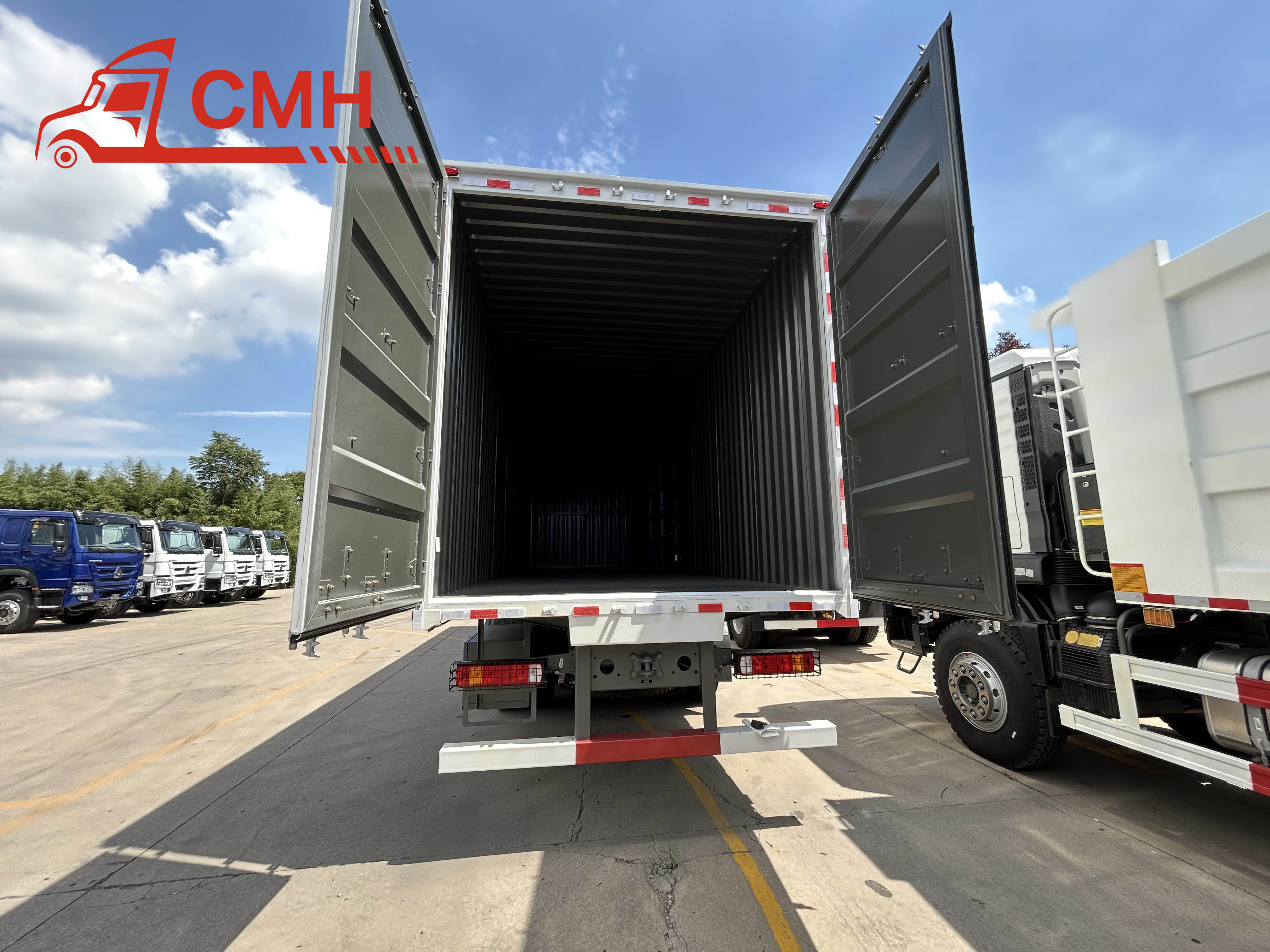
Body design details worth reviewing before loading
- Floor and lining condition: Look for soft spots, protruding fasteners, oil, moisture, or loose lining that can damage cartons or reduce traction.
- Door operation: Confirm that rear and side doors latch fully, seals are intact, and opening hardware does not interfere with the load.
- Interior clearance: Measure actual height, width, and door opening, not only the nominal body size, before committing oversized freight.
- Restraint compatibility: Verify anchor points, rails, bars, or other equipment are suitable for the planned load. Do not assume every enclosed cargo body has the same securement features.
- Loading access: Match docks, forklifts, pallet jacks, and manual handling procedures to the van body truck’s floor height and door arrangement.
Build cargo protection into the transport routine
The strongest results come from a repeatable process. First, document the freight’s weight, dimensions, packaging condition, and handling limits. Next, inspect the enclosed cargo body and choose a load layout that balances the vehicle and leaves room for required restraint. During loading, recheck each section instead of waiting until the body is full. Before departure, confirm doors, latches, and visible restraints. At planned stops, inspect the load when it is safe to do so, especially after rough roads, long gradients, or a hard-braking event.
For fleet buyers, specify the operating question before selecting a van body truck: What cargo needs protection? How often will it be loaded? What routes and surfaces are expected? Which restraint equipment will be used? A configuration that fits the real duty cycle is more useful than a generic promise of cargo safety.
Frequently asked questions
Does an enclosed van truck eliminate the need for tie-downs?
No. The body provides containment and environmental shielding, but it does not by itself prevent internal movement. Use a load-securing method appropriate to the cargo, body configuration, and applicable regulations.
What should be checked before transporting moisture-sensitive freight?
Check the roof and door seals, verify that the floor is dry, inspect for visible panel damage, and ensure the cargo will not touch wet or contaminated surfaces. Packaging and route conditions should also be considered.
Is a van body truck suitable for every type of freight transportation?
Not necessarily. Suitability depends on dimensions, weight distribution, loading equipment, temperature needs, access requirements, and the cargo’s restraint method. Review the final body specification and operational conditions before assignment.
Conclusion
An enclosed van truck supports cargo protection by shielding freight from the environment, limiting casual access, and providing a defined space for organized loading. Its value is highest when the enclosed cargo body is well maintained and combined with balanced loading, compatible restraints, and regular inspection. Treat the body as one layer in a complete freight transportation plan, and verify the final configuration against the cargo and route before every new application.