
 EN

Enclosed Van Trucks Help Protect Goods From Weather During Transportation
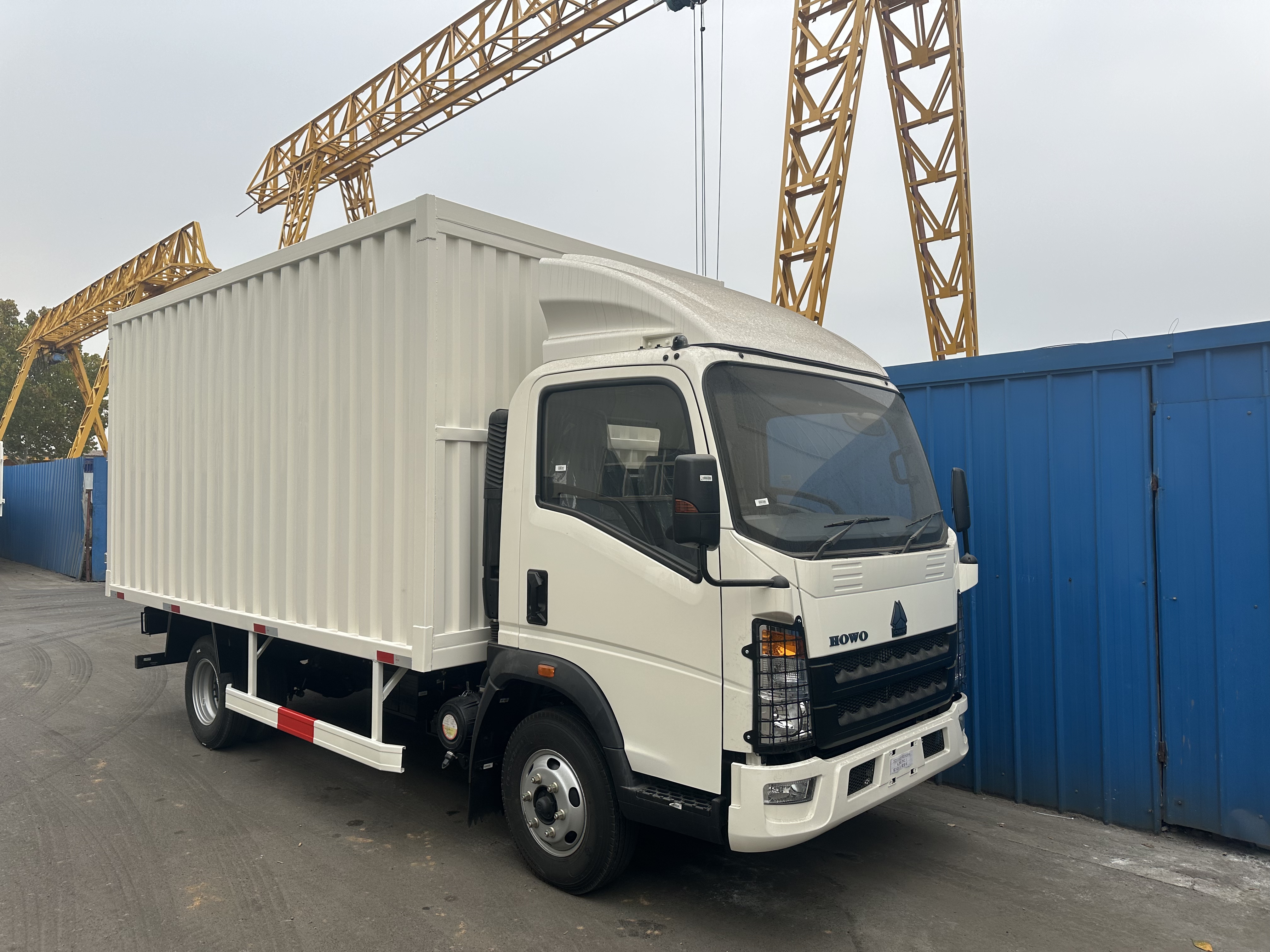
For a fleet buyer, a van truck is not simply a vehicle with a box behind the cab. It is a working cargo environment that can reduce direct exposure to rain, snow, road spray, dust, and intense sun while goods are moving between loading points. That distinction matters when deliveries include cartons, packaged parts, tools, retail stock, appliances, or other items that can be affected by moisture or contamination. An enclosed body does not make every shipment risk-free, but a well-matched van truck gives a transport team more control over the conditions surrounding the load.
The value of enclosure becomes clearer when weather changes during a route. An open platform may be appropriate for cargo designed to tolerate exposure and secured with the right covering. By contrast, an enclosed cargo truck creates a physical barrier that helps a dispatcher plan for ordinary weather variation without treating a tarp as the only line of defense. The practical question is whether the cargo, route, loading routine, and unloading site justify a protected cargo space.
Why an enclosed body changes the delivery environment
A van truck separates the cargo area from the outside environment. Closed sidewalls and a roof can limit direct rainfall, wind-blown debris, and UV exposure during transit. This is useful when a vehicle waits at a dock, stops at several locations, or encounters rain between scheduled appointments. It can also support a cleaner presentation at delivery because cartons and equipment are less likely to arrive covered in road dust or surface water.
However, enclosure is only one part of weather protection. Doors must be closed and latched, seals need inspection, and loading practices still matter. If wet pallets, damaged packaging, or standing water enter the cargo area, the benefits of the body can be reduced. A fleet should view a van truck as a controlled space that needs routine care rather than as an automatic guarantee.
Match the van truck to the cargo risk
Before selecting a van truck, start with the goods rather than the vehicle silhouette. Ask what can happen if water, dirt, temperature swings, or internal movement affect the shipment. Cardboard packaging may soften when wet. Electronics, finished surfaces, paper products, and certain tools may need a dry, orderly environment. Durable construction materials can have different needs. The answers help determine whether a closed cargo body is a sensible baseline for the work.
- Moisture-sensitive goods: identify whether packaging, labels, or the product itself can be damaged by rain or condensation.
- Route exposure: consider outdoor loading, multi-stop routes, seasonal precipitation, and time spent parked.
- Loading method: confirm that lift equipment, pallet handling, and door openings fit the intended cargo delivery process.
- Load restraint: remember that a van truck body does not replace appropriate cargo securement.
This assessment is especially helpful for a mixed fleet. A team may use one van truck for packaged goods and another body type for oversized or weather-tolerant loads. Choosing around real operating conditions is more useful than applying one vehicle choice to every assignment.
Keep rain outside—and manage moisture inside
Rain is the obvious concern, but internal moisture deserves equal attention. Warm, humid air, wet cargo, repeated door openings, and changing temperatures can create condensation inside an enclosed cargo space. A van truck can reduce outside exposure while still needing a clean, dry loading routine. Drivers and loaders should report damaged door seals, water entry, unusual odors, or visible dampness before the next load is placed inside.
A straightforward pre-trip check supports better weather protection: inspect the roofline and door area for obvious damage, look at the floor for moisture or debris, confirm that doors close fully, and verify that the cargo area is appropriate for the planned goods. These checks do not require a universal specification claim. They simply help the operator find conditions that could undermine the benefit of an enclosed van truck.
Use loading practices that preserve the protected space
The way a load enters the vehicle can matter as much as the body itself. Keep cartons off visibly wet ground where possible, remove loose water before loading, and place heavier items so they are stable and accessible. If a delivery team repeatedly opens doors in heavy rain, it may need to sequence stops or stage goods differently. The goal is to make the van truck part of a repeatable process, not a last-minute response to poor weather.
Good restraint practices remain essential. Federal cargo-securement guidance reinforces the general principle that cargo should be prevented from shifting or falling during transportation. In daily operations, that means the enclosed body should work alongside suitable restraint methods, packaging, and load planning. A protected body can help keep goods dry; it does not by itself stop a poorly positioned load from moving.
A route-based scenario for commercial vehicle planning
Consider a distributor making several short deliveries of boxed replacement parts during a week with intermittent rain. The fleet planner may decide that a van truck suits the route because the enclosed space limits direct rain exposure between stops and keeps packaging out of road spray. Before assigning the vehicle, the planner would still check usable cargo dimensions, payload requirements, door access at customer sites, and the condition of seals and flooring. This is a conditional decision, not a claim that every enclosed body will fit every route.
That same reasoning applies to a broader commercial vehicle review. Purchase price is only one input. Duty cycle, delivery frequency, cargo sensitivity, driver workflow, maintenance access, and the expected weather pattern all influence whether a particular van truck configuration is a practical fit.
Questions to ask before specifying a van truck
- Which goods need protection from direct precipitation, dust, or sunlight?
- How often will the doors open during a typical cargo delivery route?
- Can the loading area introduce water or dirt into the cargo space?
- What restraint and packaging methods will be used alongside the enclosed body?
- Which details—payload, dimensions, body materials, door style, and options—must be confirmed with the supplier for the intended job?
These questions turn a general discussion of weather protection into a more useful procurement conversation. They also help buyers compare options without assuming that labels such as box body or enclosed cargo body describe every operational detail.
Conclusion
An enclosed van truck can help protect goods from direct weather exposure during transportation by creating a more controlled cargo space. Its real value depends on fit: the cargo must need that protection, the route must support the workflow, and the vehicle must be inspected and loaded carefully. When those conditions align, a van truck can be a practical tool for keeping deliveries cleaner, drier, and more consistent through changing weather.