
 EN

Aluminum Tank Trucks Can Reduce Vehicle Weight While Maintaining Structural Strength.
An aluminum tank truck is often considered when a fleet needs to manage tare mass without treating lower weight as a substitute for engineering. For fuel transport, the useful question is not simply whether an aluminum alloy tanker weighs less than another option. It is whether the tank, chassis interface, compartments, weld details, running gear, and operating limits form a suitable system for the carried product and route.
From a fleet procurement perspective, an aluminum tank truck should be compared against the actual duty cycle before purchase price or material preference becomes the decision. Payload targets, axle limits, loading frequency, road quality, climate, cleaning routine, and local transport rules all shape the final configuration. A lighter vehicle can create operational room, but only when the rated vehicle and its legal operating condition are confirmed together.
Why lower tare mass matters in fuel transport
Vehicle tare mass is the weight of the unit before cargo. When an aluminum tank truck is configured for the same transport task, lower tare mass may help a fleet allocate more of the permitted gross vehicle weight to useful load. That potential benefit is conditional: the applicable axle loads, tank capacity, liquid density, compartment layout, and local limits still govern what may actually be carried.
This is why lightweight truck planning should begin with a route-and-load worksheet rather than a material claim. Record the medium, expected fill level, delivery pattern, road profile, loading equipment, and regional requirements. Then compare the complete vehicle mass statement with the permitted operating limits. For fuel transport, a nominal capacity figure alone does not show whether a configuration is practical or compliant.
An aluminum alloy tanker can also be attractive where fleets want to consider corrosion behavior, maintenance access, or replacement planning alongside tare mass. Those advantages must not be generalized. Material compatibility with the transported fuel, cleaning agents, fittings, seals, and local code requirements should be verified for the proposed specification.
Structural strength is designed into the complete system
The phrase structural strength can be misleading if it is used as a one-word comparison between aluminum and steel. For an aluminum tank truck, structural strength depends on alloy selection, temper, shell geometry, plate thickness, formed details, baffles or compartments, reinforcement, mounting strategy, and manufacturing quality. The design target is a controlled response to the loads the vehicle will experience, not the highest possible material number in isolation.
Liquid cargo introduces dynamic loads. Braking, cornering, uneven pavement, repeated filling cycles, and partial loads can change how forces move through the tank and its supports. A sound aluminum tank truck design therefore connects the tank body to the chassis through a verified mounting arrangement and evaluates the expected duty cycle. Before deciding, relate the proposed payload distribution to the actual loading and unloading routine.
Welded aluminum details deserve direct attention. General fatigue literature on aluminum structural weldments identifies residual stress, discontinuities, and stress concentration as factors that need design and inspection control. That does not mean a welded aluminum alloy tanker is unsuitable; it means the purchase review should ask for the relevant welding procedure, inspection scope, repair policy, and design assumptions rather than relying on a broad claim of durability.
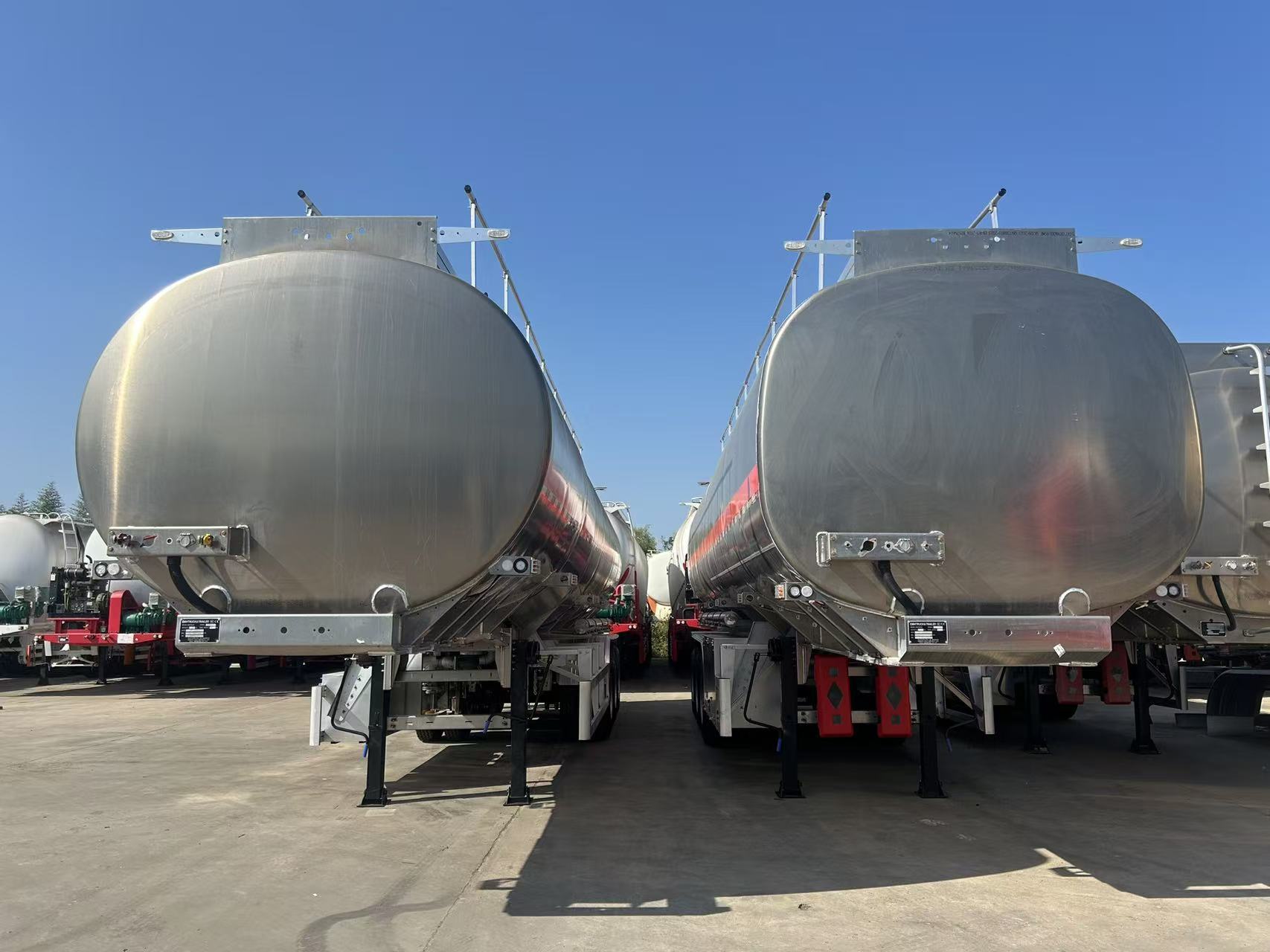 An editorial view of an aluminum tanker configuration; final specifications require project verification.
What to compare when selecting an aluminum tank truck
A disciplined comparison keeps the lightweight truck objective connected to verifiable configuration choices. The following review points are more useful than a blanket statement that material alone determines strength or weight:
- Transported medium: confirm the fuel transport product, density range, temperature conditions, and material-compatibility requirements.
- Legal operating envelope: check gross weight, axle distribution, dimension limits, and the applicable tank and dangerous-goods rules for the jurisdictions involved.
- Tank structure: review the specified aluminum alloy, temper, shell construction, compartment layout, internal controls, and reinforcement details.
- Chassis integration: examine mounting points, subframe logic, running gear, and how the tank body is intended to work with the vehicle frame.
- Fabrication control: ask which weld procedures, inspections, traceability records, and corrective processes apply to the proposed build.
- Service routine: consider cleaning access, inspection intervals, repair capability, parts support, and the route conditions that influence fatigue exposure.
That is the specification side; the next question is how the aluminum tank truck behaves in the daily routine. A short-haul delivery fleet with frequent stops, changing fill levels, and constrained loading areas may prioritize different details than a long-distance operation with stable routes. The same aluminum alloy tanker label can cover configurations with very different operational fit.
Use payload potential responsibly
It is reasonable to assess whether an aluminum tank truck can support a better payload-to-tare relationship. It is not reasonable to assume a payload increase before the final mass, axle, and compliance information is available. A procurement team should request a vehicle-specific weight breakdown and compare it with the target transport task. If the route and payload are stable, that may be a practical starting point; if they vary significantly, evaluate the operating envelope first.
For fuel transport, the review should include more than the maximum load. Consider compartment utilization, retained product, pump or metering equipment, safety equipment, driver access, and optional equipment that may change vehicle mass. A lightweight truck concept is more reliable when these details are visible in the specification review rather than being added after a theoretical payload comparison.
A practical specification checklist
Before approving an aluminum tank truck, align the technical and commercial teams around a concise evidence package:
- Define the carried fuel or liquid and the route-specific operating conditions.
- Confirm the proposed aluminum alloy tanker design, including the stated alloy, tank layout, capacity, and chassis-mounting concept.
- Review the rated weights and axle distribution with the intended equipment installed.
- Verify the applicable fuel transport approvals, documents, and jurisdictional requirements with the responsible authority or qualified compliance team.
- Request fabrication, weld, inspection, and service information appropriate to the project scope.
- Set an acceptance and maintenance plan that matches the expected inspection access and daily operating routine.
These checks support technical traceability without promising a universal result. An aluminum tank truck may be a strong fit when reduced tare mass, the operating environment, and the engineered configuration align. When duty cycle, medium compatibility, or compliance evidence remains uncertain, the correct next step is to resolve those conditions before final selection.
Conclusion
An aluminum tank truck can reduce vehicle weight while maintaining structural strength when the claim is understood as a configuration outcome, not a material shortcut. The most useful comparison connects aluminum alloy selection with tank geometry, weld quality, mounting design, payload distribution, inspection, and fuel transport requirements. By evaluating those details together, fleets can pursue lightweight truck benefits while keeping safety, serviceability, and structural strength central to the purchase decision.