 EN
EN

Camion Specifications Vary According to Engine, Chassis, Body, and Payload Requirements.
A camion is not specified correctly by choosing an engine first and adding a body later. For logistics, construction, municipal work, or industrial-goods transport, the useful question is whether the complete camion matches the duty cycle, route, cargo, loading method, and maintenance routine. That is why two vehicles with similar-looking cabs can need very different engine, chassis, body, and axle configurations.
From a commercial-vehicle selection advisor perspective, start with the job rather than a brochure headline. Define what the camion will carry, how often it will run, where it will operate, and how it will be loaded and unloaded. Then compare the specification as one connected system. This approach makes camion specifications easier to evaluate and helps prevent a body, payload, or driveline mismatch from appearing after delivery.
Start With the Working Requirement, Not a Generic Camion
A general-purpose camion may be workable for occasional mixed loads, but a dedicated application usually creates different priorities. A distribution vehicle may need frequent-stop drivability, usable cargo volume, and easy body access. A construction camion may need a body and suspension arrangement that tolerates repeated loading cycles and uneven site access. A long-distance vehicle may place more emphasis on sustained cruising, fuel planning, driver comfort, and service support.
Write the requirement in operational terms: cargo type, typical and maximum load, load density, body tare weight, route profile, road surface, grade, daily distance, loading equipment, unloading process, and local legal limits. What will the camion actually carry, and how will it be unloaded? That question often reveals more than selecting a model name.
Engine Power Must Be Matched With Torque, Gearing, and Route
Engine power matters, but power alone does not determine whether a camion is suitable. The engine, transmission ratios, drive-axle ratio, tire size, and expected gross weight work together. Torque and gearing affect how the vehicle moves away from stops and handles grades; power helps sustain work at speed. A route with repeated climbs, high gross weights, or stop-start work can call for a different calibration than a lighter vehicle operating on flatter paved roads.
For that reason, do not treat a higher rated engine power figure as an automatic upgrade. It can be a practical choice when the duty cycle demands it, but the relevant technical question is whether the powertrain suits the actual gross weight and route. A useful configuration review records expected payload, grade conditions, transmission type, rear-axle ratio, and tire rolling radius before comparing engine options.
Ask the supplier to confirm the complete driveline calculation for the intended camion, including the planned body weight. This is especially important when a body builder, equipment package, or auxiliary drive changes the completed vehicle mass after the chassis is selected.
Truck Chassis Is the Load-Bearing Foundation
The truck chassis supports more than the cab and engine. Its frame, wheelbase, suspension, axles, brakes, steering components, tires, and mounting provisions determine how a camion can carry and distribute a load. A body can physically fit a frame yet still leave too little usable payload or create an unfavorable axle load.
This is where buyers should distinguish gross vehicle weight rating from payload capacity. Payload capacity is commonly calculated by subtracting the completed vehicle weight—including the mounted body, equipment, driver, and other operating items—from the vehicle’s GVWR. Cargo volume is not payload capacity. A large body on a camion may hold more volume while reducing the mass it can legally and safely carry.
Axle distribution deserves the same attention. As one illustrative U.S. interstate reference, federal limits cited by the FHWA include 80,000 pounds gross vehicle weight, 20,000 pounds on a single axle, and 34,000 pounds on a tandem axle group. These figures are not a worldwide design target; country, route, bridge, tire, and local regulations must be verified for the intended market. The important lesson is that total payload capacity cannot be assessed without looking at each axle group and the load’s center of gravity.
Body Choice Changes the Camion Specification
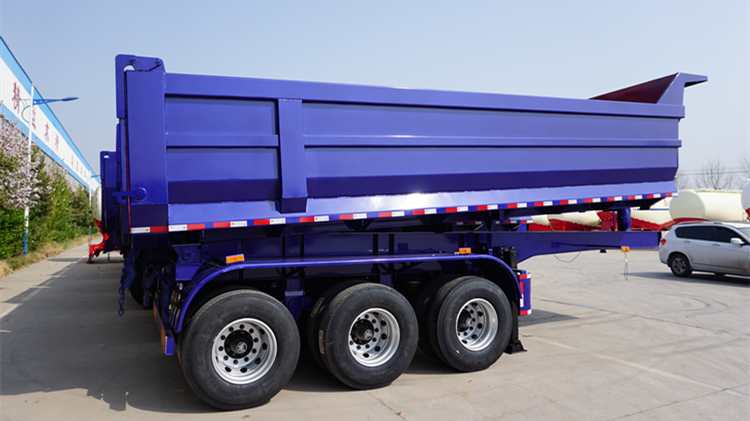
The body is not an accessory added after the camion is chosen. A tipper, cargo box, tanker, mixer, flatbed, crane body, or specialized service body changes tare weight, mounting loads, body height, center of gravity, loading pattern, and inspection access. Body selection should therefore be part of the original camion specifications discussion.
For example, a box body may prioritize interior dimensions, door arrangement, and load restraint points. A tipper may require attention to hydraulic equipment, repeated loading conditions, and the operating site. A tank application needs its carried medium, fill level behavior, pump or discharge equipment, and inspection arrangement reviewed before the camion configuration is finalized. A useful checkpoint is body weight and load center; before deciding, relate them to the actual loading and unloading routine.
Physical compatibility is only the first test. The truck chassis and body combination must also preserve usable payload, stay within axle ratings, permit routine maintenance access, and meet applicable dimensional and safety requirements. A standard configuration may not suit the route, particularly when access roads, site grades, or turning space are constrained.
Calculate Payload Capacity From the Completed Vehicle
Buyers often compare a headline payload capacity figure without asking what has been included. The number should be based on the finished camion, not an unbodied chassis. Include the selected body, subframe, hydraulic or pumping equipment, spare wheel, tool storage, fuel at the required operating level, driver, passengers where applicable, and permanently fitted options.
Then review how the cargo is positioned during normal operation. A concentrated load, a shifting bulk material, or a partly filled tank may affect axle distribution differently from an evenly loaded pallet body. Larger capacity is not automatically better: a camion must remain within the applicable gross, axle, tire, and body limits throughout its intended loading range.
A Practical Camion Specification Checklist
- Describe the duty cycle, cargo, load density, route, grade, and daily operating pattern.
- Confirm the finished vehicle weight before approving payload capacity.
- Compare engine power, torque, transmission, and axle ratio as one powertrain package.
- Check the truck chassis wheelbase, frame, suspension, axles, brakes, tires, and body mounting layout.
- Review body weight, load center, loading method, unloading equipment, and service access.
- Verify gross and axle-load compliance against the destination’s current regulations and the final specification sheet.
- Document every agreed camion option so the delivered vehicle can be checked against the approved configuration.
Make the Final Selection a Verification Process
A suitable camion specification is rarely a universal package. If stable highway freight is the priority, evaluate the powertrain and body around that predictable duty cycle. If variable construction loads and rough access are the priority, evaluate chassis strength, suspension, clearance, body design, and axle distribution first. In either case, compare alternatives against the same declared operating requirements rather than against a single headline specification.
Before ordering, request a final configuration sheet that lists the engine, transmission, drive axle, chassis ratings, body arrangement, completed weight assumptions, and permitted payload capacity. This provides a clearer basis for procurement, operation, maintenance, and acceptance. The result is a camion selected for the job it must do—not simply a vehicle assembled from individually attractive options.