
 EN

How Do Dump Truck Suspension Systems Handle Heavy Loads?
A dump truck earns its keep under changing loads, rough approaches, repeated tipping, and long days on site. The suspension is not a comfort feature added after the fact. It is part of the load path that helps transfer force from the body and axles to the tires while keeping the truck chassis controlled enough for steering, braking, and safe unloading.
From a maintenance-coordinator viewpoint, the useful question is not whether one suspension design is universally right for every duty cycle. It is whether the dump truck suspension, axle arrangement, tires, frame, and expected route suit the actual payload and operating cycle. That distinction matters when a fleet is planning for heavy aggregate, demolition material, soil, or other demanding work.
What the suspension does when a dump truck is loaded
Once material is loaded, weight travels through the dump body and mounts into the truck chassis, then through the suspension brackets, springs or air components, axles, wheels, and tires. A suspension system has to support this vertical load while allowing controlled movement over uneven ground. It also helps keep tire contact more consistent when the truck crosses ruts, transitions from a loader area to a road, or brakes on a graded surface.
That is the specification side; the next question is how it behaves in the daily routine. Good control is not the same as eliminating movement. Springs, dampers, bushings, equalizers, and axle connections are intended to manage movement so that forces are shared rather than concentrated at one point.
Why spring-based systems remain common for heavy work
Many heavy-duty dump trucks use multi-leaf or tapered leaf springs because stacked steel leaves can support high vertical loads with a relatively simple, durable layout. As load rises, more of the spring pack comes into work, helping the suspension resist sagging while still permitting the axle movement needed over uneven terrain. Depending on the application, tandem arrangements may use equalizing components to help distribute force between rear axles.
Air-based or mixed suspension designs can also be selected for particular operating needs. Their suitability depends on the permitted axle loads, body configuration, terrain, maintenance capability, and the manufacturer’s approved rating. The right choice may depend on details that should be verified with the final specification. It is not simply a ride-quality issue; more precisely, heavy load capacity depends on the entire approved system, not on one component label.
Load distribution matters as much as total payload
A rated payload can still create problems if it is loaded unevenly. Material piled too far forward, too far rearward, or heavily to one side changes how much force each axle, tire, spring, and frame section carries. That can affect handling, braking feel, tire wear, and long-term component stress. A useful checkpoint is payload distribution; before deciding that a dump truck is ready for a route, relate it to the loader’s typical loading pattern and the ground conditions at the site.
For heavy hauling performance, operators should also consider dynamic forces. A truck that is within its allowed stationary weight can see higher momentary loads when it drops into a pothole, travels over rough haul roads, or brakes abruptly with a full body. Suspension travel and damping help manage those inputs, but they do not make overloading or poor loading practice safe.
How the truck chassis works with the suspension
The truck chassis provides the structural foundation for the body, cab, powertrain, axles, and suspension mounting points. Under a full load, the frame must carry bending and twisting forces while the suspension allows the axles to follow the ground. Mounting brackets, crossmembers, fasteners, and body supports therefore deserve the same attention as the spring packs themselves.
Road conditions alter configuration priorities. On smooth paved routes, ride and tire management may receive more attention. On broken quarry roads or construction access tracks, articulation, ground clearance, component protection, and inspection access may become more important. For that reason, a configuration discussion should start with payload type, expected payload range, route surface, loading equipment, and unloading routine.
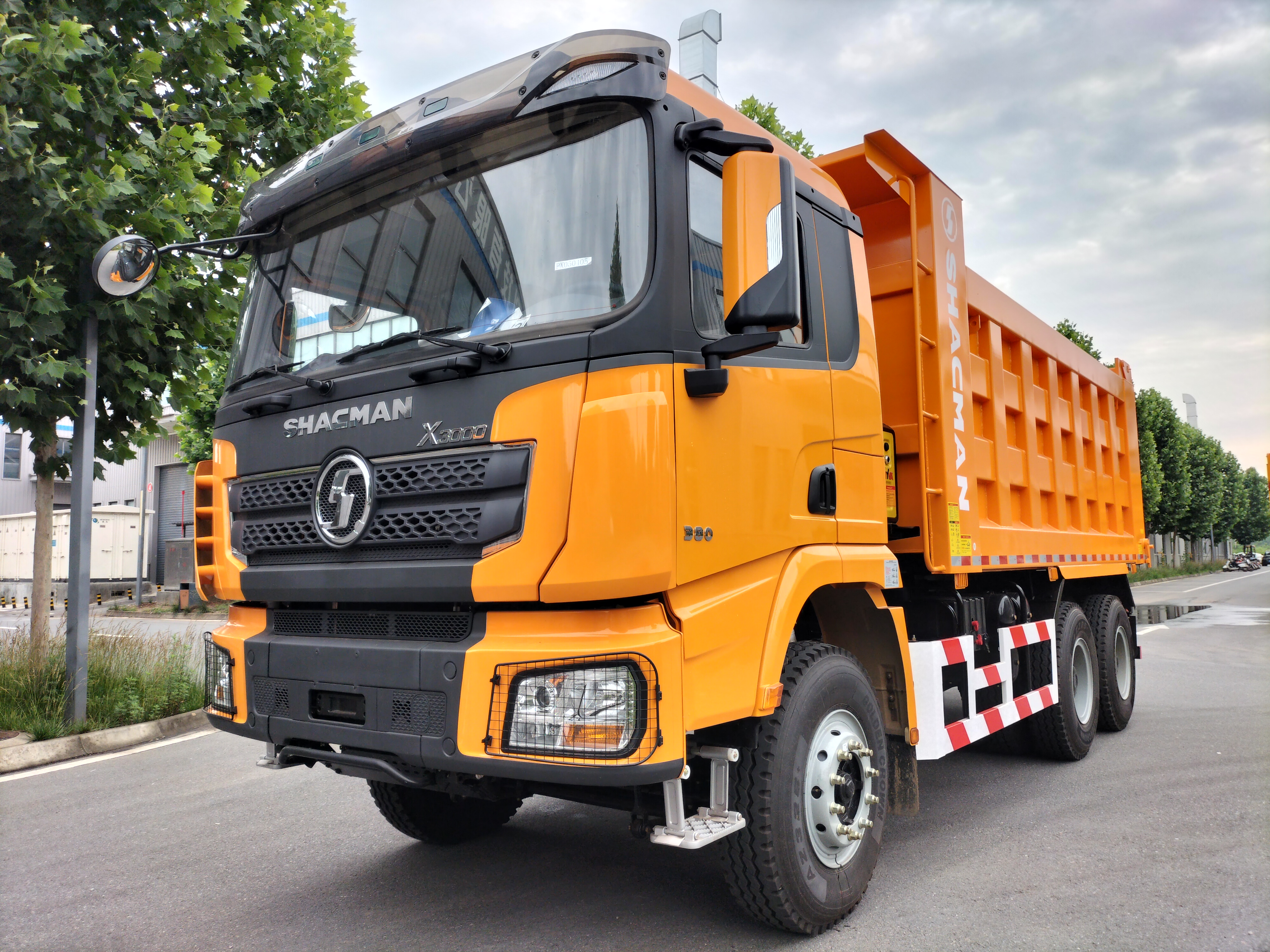
Suspension components that need routine attention
Heavy loads do not normally cause a sudden failure on their own; wear often develops through repeated cycles, impact, loose hardware, contamination, or an operating condition that no longer matches the original setup. A practical inspection can include:
- spring leaves, U-bolts, hangers, and equalizer parts for cracks, movement, corrosion, or damaged hardware;
- bushings and pivot points for wear that can let axle alignment drift;
- shock absorbers, air lines, valves, or air bags where fitted, looking for leakage or physical damage;
- tires for unusual shoulder wear, heat damage, cuts, or mismatched inflation indications;
- frame-area mounting points and body supports for signs of rubbing, loose fasteners, or distortion.
These checks do not replace the vehicle maker’s maintenance instructions. They help turn recurring questions into a documented inspection routine. If a driver reports a new pull, vibration, clunk, uneven tire wear, or a changed ride height, record the load, route, and operating condition before assuming the cause. That information helps maintenance teams distinguish a symptom from a component failure.
What happens during tipping
During unloading, the center of gravity moves as the body rises and material shifts. Suspension condition, tire condition, ground levelness, and side-to-side load distribution all influence stability. The suspension cannot compensate for soft shoulders, excessive side slope, uneven loading, or a raised body operated outside safe site procedures. Before operation, confirm the dumping surface, body clearance, load condition, and any task-specific safety requirements for the actual job.
This is why hauling performance should be evaluated over the complete cycle: load, travel, brake, tip, return, and inspect. A dump truck that appears capable on a specification sheet may still require a different configuration or a revised operating procedure when its route and load profile change.
A practical selection and maintenance checklist
- Define the material, average payload, peak payload, and how the loader distributes it.
- Check axle and tire ratings against the intended configuration and applicable local rules.
- Match the dump truck suspension to road surface, speed, tipping frequency, and service support.
- Confirm that the truck chassis, body mounts, and suspension components are compatible as an approved system.
- Set inspection intervals around real duty cycles, especially after severe impacts or route changes.
- Review tire wear and driver feedback together with suspension findings rather than in isolation.
Bottom line
Dump truck suspension systems handle heavy loads by supporting weight, controlling axle movement, sharing forces through the chassis and running gear, and protecting tire contact on changing surfaces. Leaf springs, air systems, dampers, bushings, and axle connections all have a role, but heavy load capacity is ultimately a system question. First clarify the task, then compare configurations, and only then discuss price. A fleet that checks load distribution and maintains its suspension around real operating conditions is better positioned to protect hauling performance and avoid preventable downtime.