 EN
EN

Cargo Lorry Essentials for Efficient Transport
AI-Powered Route Optimization for Maximum Efficiency
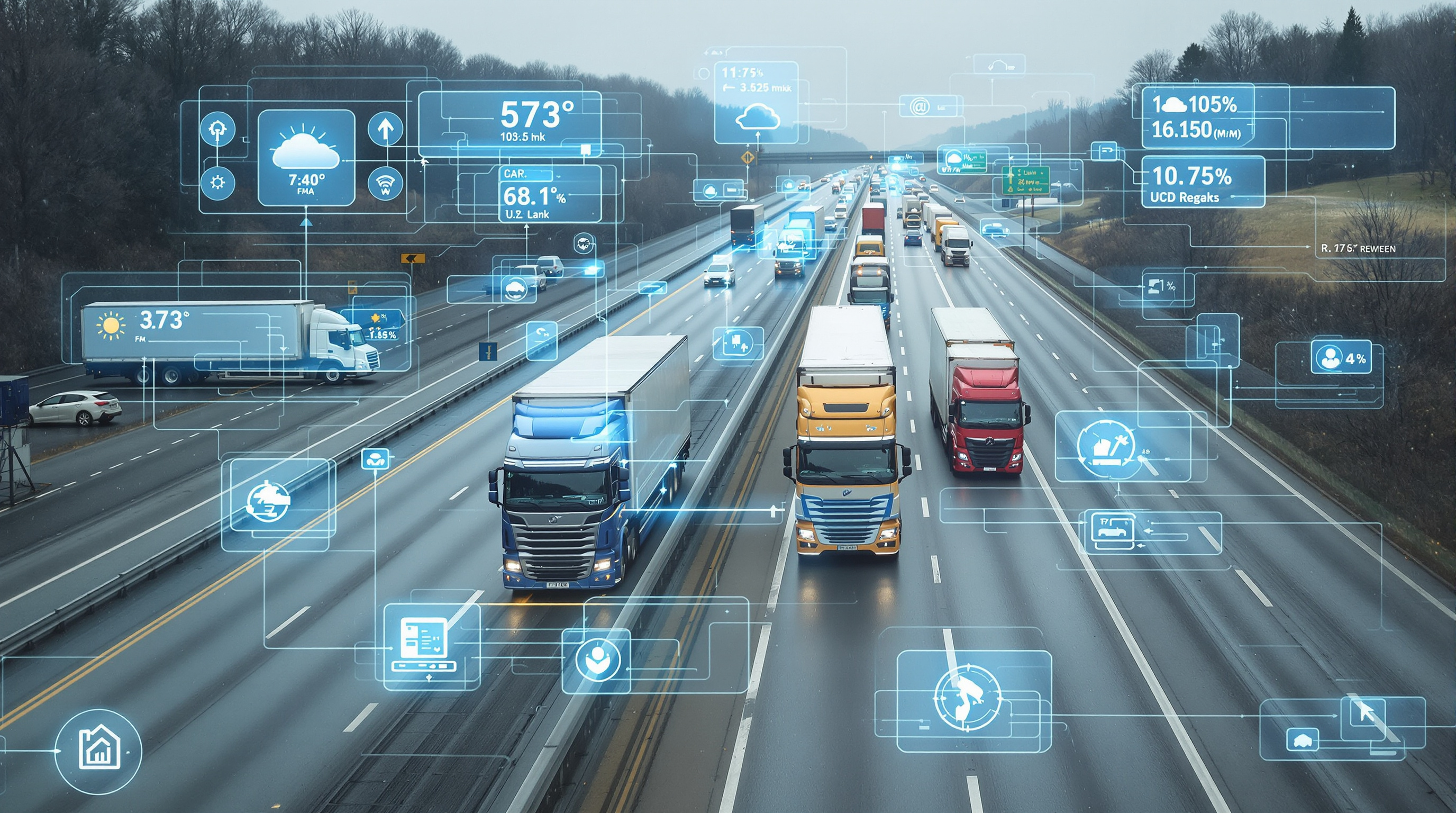
How AI-Driven Route Planning Enhances Freight Transport Efficiency
Route planning for cargo lorries has changed completely since AI came into play. These smart systems adjust delivery routes on the fly based on current traffic conditions, past trends, and even what the weather is doing at any given moment. The machine learning behind it all looks at around 15 different factors when figuring out the best path forward. Things like unexpected road closures or tight delivery time windows get factored in too. According to the Logistics Efficiency Report from last year, companies have seen fuel savings of about 22% and deliveries happening roughly 19% faster than before. When trucks can dodge those notorious traffic jams and spread out their loads better between different vehicles, it makes a big difference. The Ponemon Institute estimated back in 2023 that global logistics loses somewhere around 740 billion dollars every year just because of traffic congestion problems.
Data-Driven Route Optimization and Real-Time Traffic Integration
Modern systems integrate IoT sensor data from cargo lorries with live traffic updates, recalculating routes every 2–3 minutes. A 2024 case study found that combining satellite-based traffic monitoring with AI-powered rerouting reduced delayed shipments by 34%. Key benefits include:
- 15–20% lower empty miles through backhaul optimization
- 12% fuel savings from reduced idling at traffic nodes
- Predictive arrival times accurate within ±8 minutes
Integration of Weather Data and Predictive Analytics in Logistics
Modern routing systems pull from NOAA's weather predictions to tweak paths around storms and create better driving conditions. Take the big freeze in 2023 as an example companies that had already implemented these technologies saw their deliveries arrive on time 89 out of 100 times compared to just 62% across the rest of the industry. The combination of instant road condition monitoring along with rain and snow forecasts cuts down maintenance expenses related to bad weather by roughly 40%. According to figures released by FMCSA last year, this represents real savings for fleet operators facing unpredictable climate challenges.
Future Trends: Autonomous Route Recalibration During Transit
Emerging autonomous routing systems enable cargo lorries to self-adjust paths mid-journey using 5G-connected edge computing. A 12-month pilot in Germany demonstrated:
| Metric | Improvement |
|---|---|
| Route deviation response | 94% faster |
| Fuel efficiency | +18% |
| Last-minute delivery saves | 27% |
These systems process 1.2 million data points per hour via onboard AI processors, shifting logistics from static planning to adaptive intelligence networks.
Predictive Maintenance and Telematics in Cargo Lorry Fleets
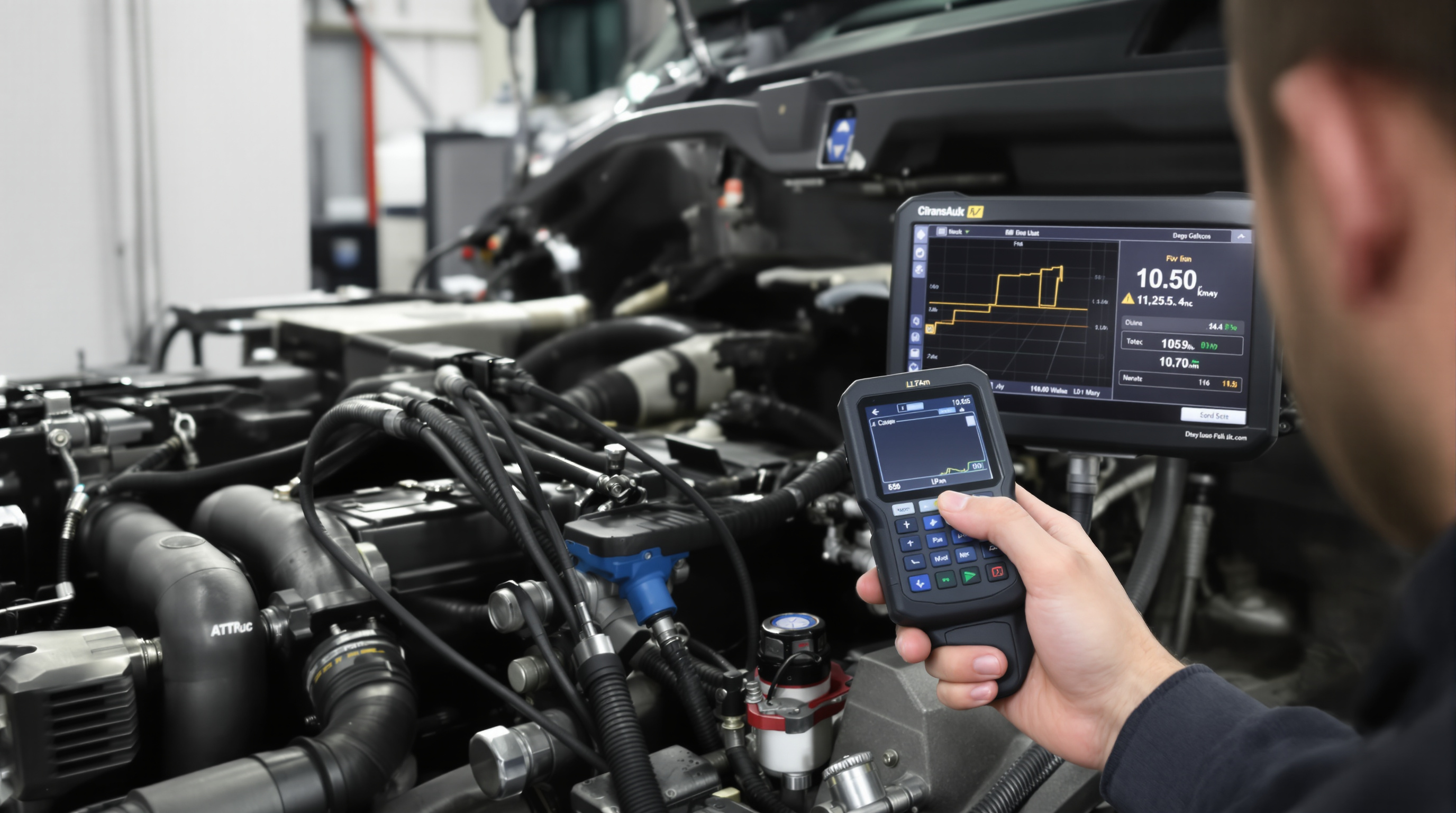
Predictive Maintenance for Cargo Lorries Using IoT Sensors
IoT sensors have transformed maintenance strategies, enabling a shift from reactive repairs to proactive care. Devices monitor engine performance, brake wear, and fluid levels, transmitting real-time data to cloud-based analytics platforms. Fleets using predictive maintenance reduce unplanned downtime by 22% and extend vehicle lifespans by 15–20% (2025 Global Trucking Report).
Telematics Systems Enabling Real-Time Vehicle Health Monitoring
Telematics systems aggregate data from onboard diagnostics (OBD), GPS, and IoT sensors to provide a comprehensive view of fleet health. For example:
| Metric | Impact |
|---|---|
| Engine temperature | Early detection of cooling system flaws |
| Tire pressure | 12% reduction in blowout risks |
| Battery voltage | 18% fewer charging failures |
This visibility allows managers to schedule repairs during off-peak hours, minimizing disruptions to delivery timelines.
Reducing Downtime Through AI-Powered Diagnostic Alerts
Smart systems look at past records and current conditions to spot when parts might fail anywhere from seven to fourteen days ahead of time. These predictive tools work best when connected to automatic processes that create service requests, notify qualified technicians about potential problems, and get spare parts ready at local warehouses. Fixing small troubles early makes all the difference for transportation companies trying to keep their schedules intact. Most report keeping around 93 percent of deliveries on track even when business is booming, which helps avoid those costly delays everyone hates.
Sustainability and Fuel Efficiency in Modern Cargo Transport
The logistics sector is slowly turning green as cargo truck companies try out new ways to get things done without hurting the environment so much. Electric vehicles and those running on hydrogen are becoming popular choices instead of traditional diesel engines. Some hydrogen powered trucks can actually go around 450 miles between refuels these days, which matches what most diesel trucks manage. And they cut down on harmful particles in the air by nearly all of them according to research from Sustainable Trucking Solutions back in 2025. This kind of progress shows how serious the industry is about cleaning up its act while still getting goods where they need to go.
Modern fleets must meet strict fuel efficiency standards, including the U.S. Environmental Protection Agency’s requirement for a 25% reduction in heavy-duty truck CO₂ emissions by 2027. Hybrid-electric cargo lorries already demonstrate 33% lower fuel consumption in urban delivery cycles compared to conventional models (DOT 2025).
Operational intelligence further enhances sustainability. AI-driven route optimization reduces empty miles by 18% through real-time cargo matching and predictive traffic analysis (Eco-Friendly Logistics Strategies). This dual focus on advanced vehicle technology and intelligent logistics enables companies to meet ISO 14001 environmental management standards without sacrificing delivery performance.
Semi-Autonomous and Autonomous Trucking Technology Advancements
Semi-autonomous systems are now standard in modern cargo lorry operations, with adaptive cruise control and lane-keeping assist deployed in 62% of new heavy trucks (Global Truck Tech Survey 2024). These technologies reduce driver fatigue while retaining human oversight for complex decisions.
Semi-Autonomous Driving Technologies in Trucks: Current Adoption Rates
Level 2 automation (per SAE International standards) dominates current deployments, with 78% of EU freight companies using lane-centering tools on highway routes. Early adopters report 15–20% fuel savings through optimized speed control.
Autonomous Trucking Technology and Its Impact on Driver Roles
Fully driverless prototypes are being used on repetitive middle-mile routes, transitioning human operators into supervisory roles. A 2024 MIT Mobility Study found this shift creates 3.2 specialized tech maintenance jobs for every long-haul position displaced.
Pilot Programs in the U.S. and EU Showing 30% Efficiency Gains
Texas-based platooning trials reduced aerodynamic drag by 12%, allowing convoys to travel 450 miles without refueling. The 2025 Autonomous Commercial Vehicle Outlook Report highlights similar EU programs achieving 24/7 operational uptime through automated freight corridors.
Controversy Analysis: Safety Concerns and Regulatory Hurdles
Collision rates in semi-autonomous fleets have dropped by 40% (NHTSA 2023), yet liability frameworks remain unclear. Germany has mandated dual neural network architectures to prevent sensor failure cascades—a standard expected to influence future global regulations.
Real-Time Monitoring and Fleet Management for Operational Excellence
Real-Time Tracking and Transparency in Freight Operations
These days most cargo lorries come equipped with GPS tracking systems that ping their location roughly every half minute. The ability to see where trucks actually are lets dispatchers send them different routes when traffic gets bad, which cuts down on late deliveries by about 18%, according to Logistics Tech Review. When it comes to perishables or other sensitive goods, companies have started putting IoT sensors inside containers too. These little gadgets constantly report back on temperature and humidity levels inside the cargo hold, helping keep things within safe ranges and cutting spoilage complaints by nearly a quarter. And guess what? Many customers now have online dashboards where they can check exactly where their shipment is at any given moment. This kind of transparency isn't just nice to have it builds trust between suppliers and buyers across the entire supply chain network.
AI-Driven Fleet Management Systems Improving Dispatch Accuracy
These days, machine learning algorithms look at past delivery records, check what the weather might throw at them, and factor in roadwork plans when figuring out the best times to send trucks rolling. Some companies have seen pretty impressive results too. Take this one example from last year where smart dispatch systems cut down those frustrating empty trips back to base by almost half for cold chain logistics. The scheduling software doesn't just sit there either. It keeps an eye on driver tiredness levels in real time and moves assignments around as needed. This helps keep everyone within legal driving hours limits but still gets packages where they need to go on time.
Cost Efficiency Gains from Centralized Logistics Control
Fleet management platforms bring together all sorts of information in one place including fuel usage stats, maintenance reminders, and even track those pesky toll charges. Businesses that have implemented such systems see their paperwork workload drop between 15 to maybe 27 percent because invoices get sorted automatically instead of sitting on someone's desk waiting to be processed. Monitoring tire pressure as it happens can actually cut fuel expenses by around six cents for every mile driven when tires stay properly inflated. What's more, these systems spot vehicles that aren't getting much use, so companies can shrink their fleets strategically while still keeping up with customer demands. Some trucking firms have managed to reduce their vehicle count by nearly 20% this way without any drop in繁忙运输.
FAQ
What are the main benefits of AI-powered route optimization?
AI-powered route optimization enhances freight transport efficiency by adjusting routes in real-time based on traffic conditions, historical data, and weather. Key benefits include fuel savings, reduced delivery times, and minimized traffic congestion.
How do IoT sensors contribute to predictive maintenance for cargo lorries?
IoT sensors monitor aspects like engine performance and brake wear, transmitting real-time data to cloud analytics platforms. This allows fleet managers to perform proactive maintenance, thus reducing unplanned downtime and extending vehicle lifespans.
What role does AI play in fleet management?
AI-driven fleet management systems improve dispatch accuracy by analyzing historical delivery data, predicting traffic conditions, and monitoring driver fatigue in real time. This ensures efficient routing and adherence to legal driving hours.
How are autonomous trucking technologies changing driver roles?
Autonomous trucking technologies are shifting drivers from active operators to supervisory roles while creating specialized tech maintenance jobs to support automated systems.
What sustainability measures are cargo transport companies adopting?
Companies are increasingly using electric and hydrogen-powered vehicles to replace traditional diesel engines, which reduces harmful emissions and enhances sustainability. AI also helps optimize fuel efficiency and reduce empty miles.