
 EN

What Factors Affect Concrete Mixer Truck Drum Capacity?
A mixer truck is often described by its drum size, but drum volume is only one part of the delivery decision. For a fleet buyer, the usable load of a concrete mixer truck is set by the interaction of drum geometry, concrete density, chassis payload, axle loading, route rules, and the time available to deliver and discharge each batch. In other words, the largest drum is not automatically the most productive choice.
As a practical planning rule, start with the concrete volume your jobs require, then work backward through legal weight, site access, and cycle time. That sequence helps avoid a familiar mismatch: a mixer truck with an impressive nominal drum volume that cannot legally or efficiently carry a full batch on the routes it actually serves.
Drum volume is not the same as delivered concrete volume
Mixer drum capacity can mean several different things in a quotation or specification sheet. The geometric volume is the physical space inside the drum. The mixing rating is the amount of concrete the drum is designed to mix properly. The transport rating is the amount it can carry while maintaining safe mixing and discharge behavior. Finally, the legal payload may be lower still once the chassis, water, fuel, driver, and local axle limits are considered.
This distinction matters because concrete needs room to move inside the drum. A drum filled to its physical limit may not provide the agitation margin needed to keep the mix uniform or to discharge it consistently. When comparing a concrete mixer truck, ask the supplier to identify the rated mixing volume, rated transport volume, and the expected payload under the intended axle configuration rather than relying on one headline number.
Concrete density quickly turns drum volume into a payload question
Fresh concrete is heavy, so drum volume cannot be separated from gross vehicle weight. As an illustration, a published weight guide notes that 10 cubic yards of concrete can weigh roughly 40,000 lb before the empty vehicle is added. The exact mass changes with mix design, aggregate, moisture, and admixtures, so this figure is not a vehicle rating. It does show why the payload calculation deserves as much attention as the drum itself.
For each proposed mixer truck, document the expected concrete density, planned batch volume, chassis curb weight, water tank contents, fuel, accessories, and driver allowance. Then compare the result with both total gross vehicle weight and permitted axle loads. A useful checkpoint is axle distribution; before deciding, relate it to the actual load position, route, and discharge routine. A capacity that appears acceptable in total may still need adjustment if it creates an axle-loading issue.
Chassis, axle layout, and local regulations set the real ceiling
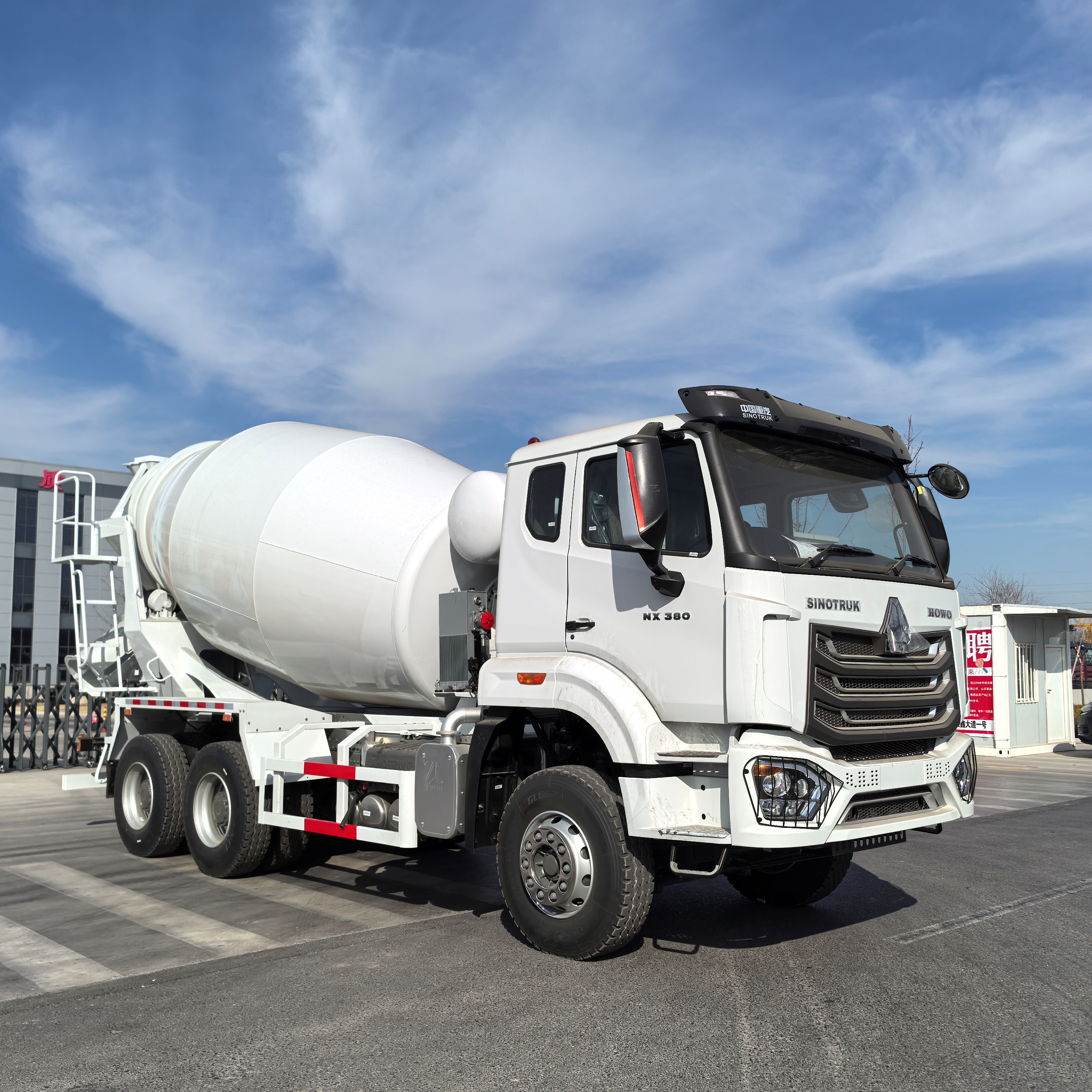
The drum is mounted on a truck chassis, so the practical capacity of a mixer truck depends on how the loaded vehicle carries weight. Axle count, axle spacing, suspension, tire ratings, wheelbase, and the position of the drum all influence permitted load distribution. Local road regulations can set limits that differ from the manufacturer’s nominal drum rating, particularly for bridge limits, urban roads, or restricted jobsite approaches.
This is why the same drum can deliver different legal volumes in different markets. A configuration that works on a high-capacity route may need a smaller batch when serving narrow urban streets or roads with tighter axle restrictions. If the route and payload are stable, a larger configuration may be a practical starting point. If the fleet serves mixed routes, a balanced specification can be more useful than pursuing the highest nominal volume.
Drum geometry and mixing system affect usable capacity
Two drums with similar published volumes do not necessarily behave the same way. Drum diameter, length, blade design, blade condition, rotation speed, discharge chute arrangement, and water system design influence how the material moves. These factors can affect loading, agitation, discharge time, residual concrete, and cleaning access.
In many planning discussions, this is where the configuration details start to matter. A large drum that takes longer to clean or discharge can lose some of its theoretical advantage on short, frequent jobs. Conversely, a smaller-volume mixer truck may support better turnaround where access, batching schedules, or pour sequencing limit the amount that can be placed at one time.
Jobsite access and concrete delivery cycles matter as much as capacity
A concrete delivery plan should match the pour rate, travel distance, queue time, placement method, and available site space. Consider whether the site can receive a large vehicle, whether the truck can turn and position safely, and whether pumping or chute discharge will keep it waiting. If a larger load causes longer queues or difficult maneuvering, the project may gain more from reliable smaller batches than from a larger mixer drum capacity.
For projects with variable demand, build the decision around cycle time: loading at the plant, travel, waiting, discharge, washout, and return. Compare the productive cubic metres per shift, not just the volume on one trip. This approach also makes operator workflow visible, which is important because a technically possible load is not automatically an efficient daily operating load.
Climate, mix design, and delivery distance can reduce the practical load
Hot weather, long travel distances, traffic delays, and demanding mix designs can make delivery less forgiving. The drum must keep the concrete workable without excessive water addition or unnecessary revolutions. Project procedures and the concrete producer’s technical guidance should determine the acceptable limits; the vehicle specification alone cannot do that.
Think of the concrete mixer truck as part of a delivery system rather than a stand-alone container. Where delivery times are uncertain, the fleet may need a capacity margin, stronger cleaning routines, or a different dispatch plan. Those choices should be confirmed with the concrete producer, vehicle supplier, and local compliance requirements.
A procurement checklist for choosing the right mixer truck capacity
- Define the normal and peak batch sizes. Separate the largest occasional pour from the volume that is repeatedly delivered.
- Calculate payload with the actual concrete mix. Use density assumptions supplied by the concrete producer and include vehicle operating weight.
- Check gross and axle limits for every planned route. Review local regulations, bridge restrictions, and jobsite access before selecting a drum volume.
- Confirm rated transport volume and mixing volume. Ask for the specification sheet and configuration confirmation record, not only a sales description.
- Map cycle time and discharge conditions. Compare trips per shift, waiting time, placement rate, and washout requirements.
- Review maintenance access. Blade condition, water-system service points, drum cleaning, and chute upkeep affect long-term availability.
Conclusion: select capacity around the operating envelope
The right mixer truck capacity is the volume that can be mixed, transported, delivered, and discharged within the limits of the vehicle and the job. Nominal drum volume remains important, but it should be verified against concrete mass, chassis and axle capability, route restrictions, drum design, and the delivery cycle. For a reliable specification, request written confirmation of the final drum rating, chassis configuration, weight distribution, and locally applicable limits before committing to a purchase.