 EN

What Does a Mixer Truck Do on a Construction Site?
A mixer truck is the moving link between a ready-mix plant and the crew placing concrete. Its visible drum is important, but the truck’s job is broader than “spinning cement.” It transports a prepared batch, keeps the material moving at the required rate, arrives in the planned pour sequence, and discharges concrete where the placement team can use it. On a busy site, that timing affects labor, forms, pumps, finishing work, and traffic control.
From an operator viewpoint, a mixer truck has to work with loading, unloading, and daily inspection routines. What will the concrete be placed into, how close can the truck get, and what happens if the first truck arrives before the crew is ready? Those practical questions explain why concrete transportation needs coordination rather than just a vehicle at the gate.
The Core Job: Carry, Agitate, and Deliver Ready-Mixed Concrete
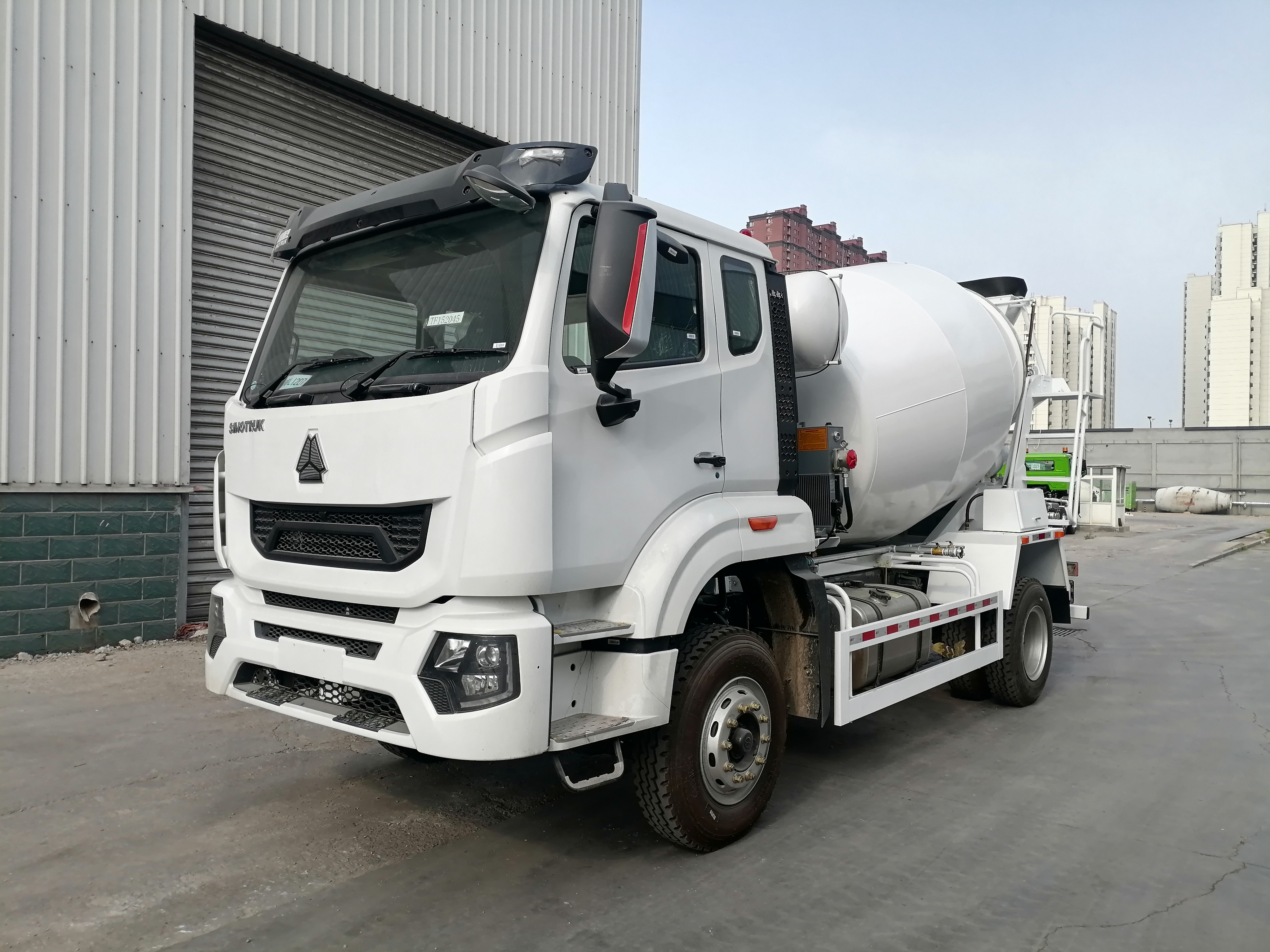
A concrete mixer truck normally receives batched concrete at a plant and carries it to the construction site in a rotating drum. During travel, the drum keeps the material agitated so its components remain more uniform and the load is workable when it reaches the placing point. The vehicle does not replace the batching plant’s quality controls, mix design, or project testing. Instead, it protects the delivery side of that process.
At the site, the driver positions the mixer truck so concrete can flow from the discharge chute into forms, wheelbarrows, a pump hopper, or another approved receiving point. The drum direction and speed change between mixing, agitating, and discharge. The crew should agree on the sequence before discharge begins: which area is poured first, where the truck will stand, who controls access, and how the chute will be guided.
That is why the term construction mixer can be misleading when used casually. The truck supports a concrete operation; it is not a universal on-site mixer for every material or every placement method. The actual workflow depends on the mix design, the project specification, access conditions, and the placing equipment available.
How a Mixer Truck Fits Into a Typical Pour Sequence
A useful way to understand mixer truck applications is to follow a single, clearly hypothetical pour. Assume a crew is preparing a foundation section. Before the truck arrives, forms are checked, reinforcement is ready, the receiving route is clear, and the person directing the pour knows where the first load will go. Dispatch then coordinates the truck’s arrival with the crew’s readiness and the next truck in the sequence.
- Loading and departure: The truck is loaded at the plant according to the scheduled order. Delivery documents and mix instructions should travel with the load as required by the project.
- Transit and agitation: On the route, the drum continues operating at the appropriate transport or agitation setting. Route time, traffic, weather, and site access can all affect planning.
- Site entry and positioning: The driver follows the designated approach, checks clearance, and backs or turns only with the site’s agreed control measures. Capacity versus maneuverability matters here: a larger vehicle is not automatically the better fit for a restricted work area.
- Discharge: The chute is set and secured by the responsible personnel, then concrete is discharged at a pace the placement crew can manage.
- Washout and departure: The project’s washout procedure is followed before the truck leaves or returns for another load.
The sequence shows why a mixer truck is part of a system. If forms are not ready, the pump is delayed, or the access route is blocked, simply having concrete at the gate does not solve the problem.
Why Continuous Drum Movement Matters
Fresh concrete changes over time. Keeping the drum moving helps maintain a consistent load during concrete transportation, but it does not create unlimited delivery time or correct a mix that is outside its approved requirements. The permitted time, any site additions, and acceptance checks must follow the mix supplier’s instructions, the project specification, and the applicable local standard.
Older discussions often repeat a universal “90-minute rule.” Current project requirements may differ. For example, ASTM C94/C94M-21 changed the former default time-limit approach, so the responsible team should check the applicable specification rather than rely on a remembered number. This is a verification point, not a reason to extend delivery beyond the approved plan.
In practical terms, dispatchers and site supervisors need to watch the full cycle: plant loading, travel, queuing, placement, and washout. A short route can still create a problem if several mixer trucks wait behind an unready pump. Conversely, a longer route may be planned successfully when the approved mix and project controls account for it.
What the Driver and Site Team Must Coordinate
The driver is responsible for operating the vehicle and drum safely, while the site team controls the work area and placement plan. Good coordination starts before arrival. Confirm the entry route, turning space, ground condition, overhead restrictions, traffic separation, pour location, chute reach, and washout point. Road conditions alter configuration priorities, especially where a site has soft ground, tight turning, or limited reversing space.
Chute work needs special attention. An industry safety reminder advises that mixer drivers handle chutes and that chutes are locked in position before discharge. Site rules and local requirements remain controlling, but the underlying principle is simple: keep people clear of moving equipment and make one person responsible for the immediate discharge setup.
- Establish a controlled route for the mixer truck before it enters the work zone.
- Use a trained spotter or the site’s required reversing controls when visibility is limited.
- Keep workers away from the truck’s blind areas, wheels, and moving chute.
- Confirm that forms, pump setup, and placement tools are ready before the drum is turned to discharge.
- Plan washout so cementitious residue does not enter drains or uncontrolled ground areas.
Common Mixer Truck Applications on Construction Sites
Common mixer truck applications include slabs, foundations, footings, walls, columns, pavements, and precast-related pours. Yet the working method changes with the site. A residential slab may allow a rear-discharge truck to feed a chute close to the forms. A congested commercial project may use a pump because the truck cannot reach the final placement area. Roadwork can require carefully timed deliveries so paving or repair crews maintain the planned sequence.
For each task, a project buyer or site manager should match the mixer truck to the placement plan rather than select by drum capacity alone. A useful checkpoint is the discharge route; before deciding, relate it to the actual access, pour volume, and unloading routine. Consider axle loading, local road restrictions, entrance width, slope, turning radius, and the space needed to clean and fold the chute after the pour.
What a Mixer Truck Does Not Do
Clear boundaries help prevent poor planning. A mixer truck does not independently approve concrete quality, design the mix, prepare poorly built forms, substitute for a concrete pump in every layout, or make an unsafe access route acceptable. It also cannot solve a scheduling problem after the crew, equipment, and receiving area have fallen out of sequence.
For a concrete mixer truck procurement discussion, begin with the operating scenario: expected delivery radius, climate, road surface, daily cycle count, discharge method, service access, and local weight rules. Then compare configurations with the final supplier specification. This makes the decision more useful than relying on a model name or a general brochure claim.
A Practical Pre-Pour Checklist
Before the first mixer truck arrives, the site supervisor can use a short readiness check:
- Is the specified concrete order confirmed and are the required delivery records understood?
- Is the access route clear, stable, and controlled for the truck’s actual size?
- Are forms, reinforcement, placing crew, and finishing tools ready?
- Is the receiving point within safe chute reach, or is a pump or other approved method ready?
- Has the crew agreed on truck order, discharge direction, communication signals, and washout location?
- Are the project’s acceptance and safety procedures available to the people supervising the pour?
Conclusion: The Mixer Truck Is a Delivery System, Not Just a Rotating Drum
A mixer truck keeps ready-mixed concrete moving from plant to placement while supporting a controlled discharge at the construction site. Its value comes from reliable coordination: the right truck reaches a ready crew, follows a workable access route, delivers under the approved concrete plan, and leaves through a managed washout process.
If you are assessing a concrete mixer truck for a project, start with the real route and placement routine. Then verify the final configuration, payload limits, safety requirements, and service plan against the job conditions. That sequence gives a clearer basis for selecting a construction mixer and planning dependable concrete transportation.