 EN
EN

Water Trucks Improve Air Quality on Large Construction and Mining Sites.
On a busy earthworks project or open-pit haul route, airborne dust is more than a housekeeping issue. It can reduce visibility, settle on equipment, complicate site traffic, and increase exposure for people working nearby. A water truck gives the site team a mobile way to place moisture where dust is generated—on unpaved roads, loading areas, stockpile approaches, and other high-traffic surfaces. The useful question is not whether a truck can spray water, but whether its tank, pump, spray pattern, refill plan, and operating schedule fit the actual duty cycle.
From a safety-conscious project-buyer perspective, a water truck should be evaluated as part of a dust-control routine, not as a stand-alone promise of clean air. Conditions change with traffic, wind, road material, temperature, and work sequence. A practical program observes those changes and adjusts application before visibility and surface conditions deteriorate.
Why Dust Control Depends on Timely Water Application
Vehicle tires, wind, dumping, and material transfer can lift fine particles from dry surfaces. When a water spray is applied evenly, it adds temporary moisture that helps fine material stay on the ground rather than become airborne. The U.S. EPA lists regular application of water or an approved suppressant among fugitive-dust control practices, including at material-transfer locations. On surface mines, NIOSH identifies surface wetting with water as a common haul-road dust-control method.
That does not mean one fixed application interval suits every construction site or mine. A route used by loaded haul units may dry out far sooner than a lightly traveled access road. If traffic rises after blasting, grading, or a shift change, the priority route may change as well. First clarify the task, then compare conditions, and only then set the watering cycle.
Where a Water Truck Has the Greatest Air-Quality Value
A water truck is most effective when dispatch follows dust sources instead of a rigid loop. Site supervisors commonly prioritize:
- Haul roads and ramps: repeated tire movement can disturb loose fines over long distances.
- Construction-site access roads: traffic at gates, laydown areas, and excavation approaches can create localized dust plumes.
- Loading, dumping, and transfer approaches: water spray may help control dust before and after material movement, subject to safe ground conditions.
- Stockpile perimeter routes: these often need attention when wind and vehicle activity occur together.
FHWA guidance on unpaved-road dust management notes that retaining fines in the road can reduce dust levels while also reducing particulate matter and sediment runoff. The operational implication is important: watering works better when it is coordinated with grading, drainage, speed management, and surface maintenance. It is not simply a water-volume issue; more precisely, road condition and application timing both matter.
Match Water Spray to the Road and Traffic Pattern
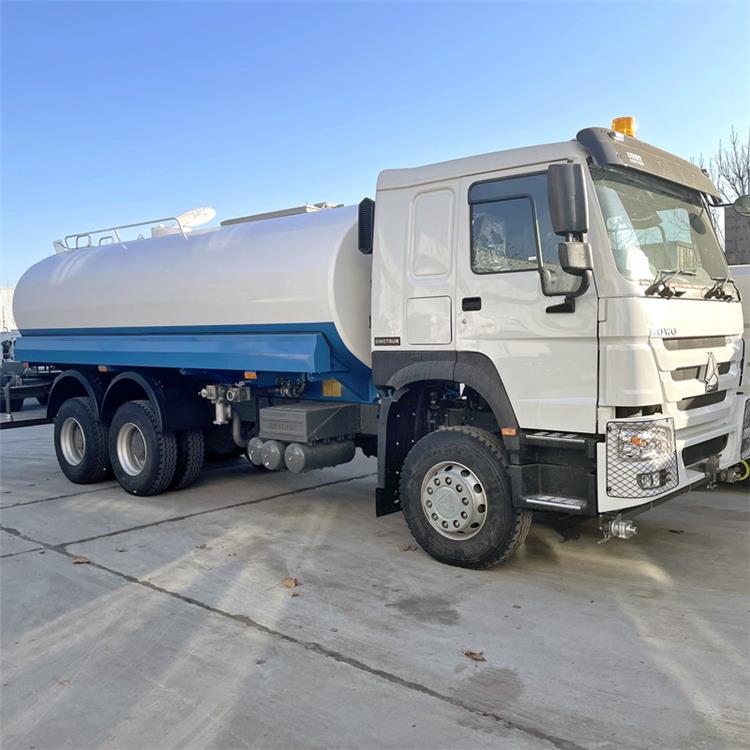
The goal of water spray is even, usable coverage—not flooding. A wet surface can become slippery, form ruts, or create runoff if the application is excessive or poorly timed. Conversely, a very light pass may evaporate or be displaced before it controls dust. A useful checkpoint is spray coverage; before deciding, relate it to traffic intensity, road material, gradient, and expected drying conditions.
For a long mining route, a water truck may need a predictable circuit with priority segments identified in advance. For a changing construction site, the same truck may need flexible dispatch around active excavation, aggregate movement, or concrete-related traffic. Ask operators where dust appears first, where visibility is most sensitive, and which areas must remain passable for production and emergency access. Those answers are more valuable than copying another site’s schedule.
Use a Field Check Before Each Shift
- Walk or inspect the highest-traffic road segments and note loose fines, corrugation, standing water, and visibility concerns.
- Confirm the day’s traffic plan, including the routes used by each mining truck, delivery vehicle, and support unit.
- Set priority areas for dust suppression and identify refill access before dispatch begins.
- Check the pump, hoses, valves, nozzles, and rear or side spray controls for leaks and consistent flow.
- Reassess after weather changes, blasting, grading, or a major shift in haul frequency.
By inspection access, we mean whether routine check points can be reached safely and consistently. That detail can determine whether a watering program stays reliable over a full project season.
Construction and Mining Operations Need Different Dispatch Logic
A large construction site often has short, changing routes and many trades working close to vehicle paths. The water-truck plan should therefore be coordinated with ground crews and site access controls. Avoid spraying immediately ahead of workers or where water would create avoidable mud near sensitive work zones. If dry weather and traffic are the priority, evaluate route sequencing and safe spray boundaries first.
Mining operations tend to involve longer haul cycles, larger traffic volumes, and repeated movement between loading, dumping, and maintenance areas. In that setting, the relationship between a water truck and each mining truck matters. The water unit must be available without blocking haulage, while refill time must be realistic for the route length and tank capacity. A lower initial price does not by itself answer the operating-cost question; refill distance, fuel use, operator time, maintenance access, and potential production interruption all belong in the review.
Choose the Configuration Around the Actual Duty Cycle
Before selecting or assigning a water unit, document the operating conditions. Tank capacity, chassis traction, pump output, nozzle arrangement, cab controls, and access for maintenance may all influence fit. The right choice may depend on details that should be verified with the final specification.
| Operating question | Why it affects the water-truck plan |
|---|---|
| How long is the active route? | It influences tank capacity, refill planning, and the time between applications. |
| What traffic uses the route? | It helps set spray timing and determines whether coverage must be repeated more often. |
| Is the ground flat, rough, or steep? | It affects traction, safe water application, and the risk of creating slippery areas. |
| Where is the water source? | It determines turnaround time and whether the proposed schedule is achievable. |
| What maintenance access is available? | It affects inspection of pumps, valves, nozzles, and tank-related components. |
For projects in export-oriented markets, also verify local road conditions, water availability, maintenance support, and any site rules before finalizing a configuration. JINAN CMHAN TRUCK SALES CO.,LTD. serves truck and construction-equipment applications, so an inquiry should begin with route length, surface condition, required water spray pattern, and the daily operating plan rather than an assumed one-size-fits-all configuration.
Make Dust Suppression Measurable in Daily Operations
Effective dust suppression benefits from simple records. Track refill counts, route coverage, weather changes, visible dust observations, driver feedback, and areas that repeatedly need attention. These records do not prove a universal performance result, but they give the site team a basis for improving dispatch. In many planning discussions, this is where the configuration details start to matter: a system that looks sufficient on paper can still fall short if it cannot return to the priority road when traffic peaks.
Water is also a resource to manage carefully. If frequent spraying is necessary, investigate why the surface dries so quickly. Road grading, loose fines, traffic speed, drainage, and alternative approved controls may need review. Water alone can be a practical starting point, but it is not necessarily the complete answer for every climate or surface.
Plan a Safer, More Consistent Watering Program
A well-planned water truck program helps a large construction or mining operation respond to dust where it begins. Start with the active routes, identify the periods of greatest disturbance, set safe spray coverage, and verify that refill and inspection routines support the schedule. Then review what changes after traffic, weather, or work sequencing shifts.
For procurement, share the site’s route map, approximate daily hours, ground conditions, water-source location, and preferred control method with the supplier. That turns a generic equipment request into a task-specific discussion. The relevant technical question is whether the proposed water truck and water spray arrangement suit the site’s actual operating conditions.