 EN
EN

Unlocking the Role of Tractor Trucks in Fleet
Why Modern Fleets Depend on Semi Tractors
In today's logistics industry, speed and efficiency are of utmost importance, which is why businesses are relying on semi-tractors. Semi-tractors can be outfitted with a large variety of trailers, making them far more versatile than other trucks. Semi-tractors can be used for long-distance shipping container transports or short hauls for raw construction materials. When it comes to delivery services, semi-tractors are optimal for city and rural services. They are also important for businesses with poor road systems, like those in Africa, where roads are poorly kept and just starting to expand. Providing expanded services gives semi-tractors a competitive edge. Entering or providing a service for previously inaccessible locations means businesses can service customers before their competitors can, and this is where semi-tractors are essential.
Features That Prove Semi Tractors are Valuable For Fleets
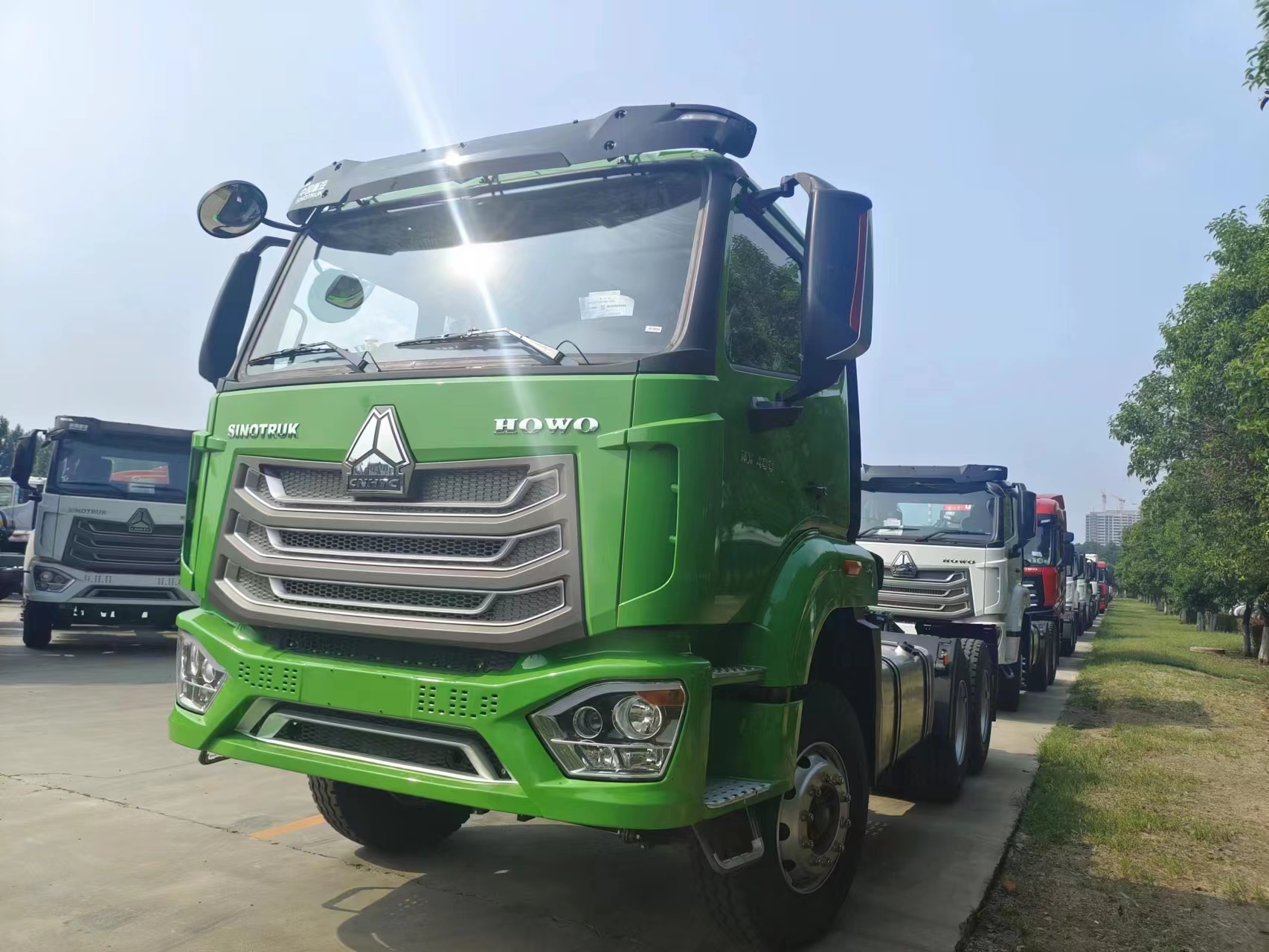
From a fleet operational perspective, semi tractors offer several valuable attributes. Robust engines coupled with excellent performance are just a start. Most semi tractor models have a range of engine options with varying horsepower, between 371 to 430. This gives fleets the flexibility to choose the engine that performs optimally while being fuel efficient for the loads being hauled. Semi tractors also possess one of the most advantageous operational attributes, compatibility with an extensive range of trailer types. Flatbed, tanker, and dump trailers are just some of the trailer types that semi tractors can pull. This gives fleets the operational flexibility of completing a variety of hauling tasks with fewer tractors and trailers, reducing overall fleet size and operational costs. Semi tractors also improve the ergonomic and operational aspects of hauling with user friendly controls and fully outfitted cabins, reducing the strain of the driver and increasing productivity and comfort. All of these attributes combined are what makes semi tractors excellent, reliable operational trailers for any fleet.
How to Integrate Semi-Tractors Into Your Fleet
The first step to planning the benefits of a semi tractor is having one integrated into your fleet. Start by assessing your transport needs so that you can maximize the benefits of a semi tractor. Think about the types of products you transport, how far you transport them, and the conditions of the roads. For instance, does your fleet include equipment that works in construction zones? If yes, a semi tractor with a powerful towing capacity and construction zoned tires would be ideal. Then, teach your drivers how to operate the semi tractor, and help them understand the operational differences of the semi tractor compared to standard trucks. Reinforce the importance of safe and fuel efficient driving, and teach them how to do basic maintenance checks. Choosing a brand and model is also important; selecting a semi tractor manufacturer with a good reputation, reliability, and a good history of customer service to you will minimize your downtime.
Lastly, utilizing your fleet management system will help you automate your management systems with your semi tractor (including maintenance, fuel, and outdated delivery schedule). By doing this, your semi will positively drive the success of your fleet.
How to Make Your Semi-Tractor Last Long for You
The best method to ensure you have your semi truck for a long time is to make sure you are properly maintaining it. The most basic yet most important way to maintain your semi truck is to conduct frequent inspections. Doing brake checks, fluid checks, tire tests, and air level checks before you start travel should be routine. Monitor tire wear and complete air tests to improve the truck’s safety and your fuel efficiency. When doing oil changes, engine tune-ups, and filter changes, be sure to monitor the semi truck’s manual so that you do not void your warranty. An engineer, or someone specialized, should complete all this. Damp semi trucks should be regularly cleaned to avoid carrying dirt or damaging materials that can come from the zones. If by this you notice that other problems exist, fix anything that can be damaging to your pockets in the future. Keep a record of every change and each maintenance process so you can keep tabs on the truck’s history. This process will take time, but your semi truck will be much better for it in the long run.
Implementing maintenance along with your fleet management, will in fact, help improve the longevity of your semi trucks.
Advancements in Automation and Flexible semi trucks
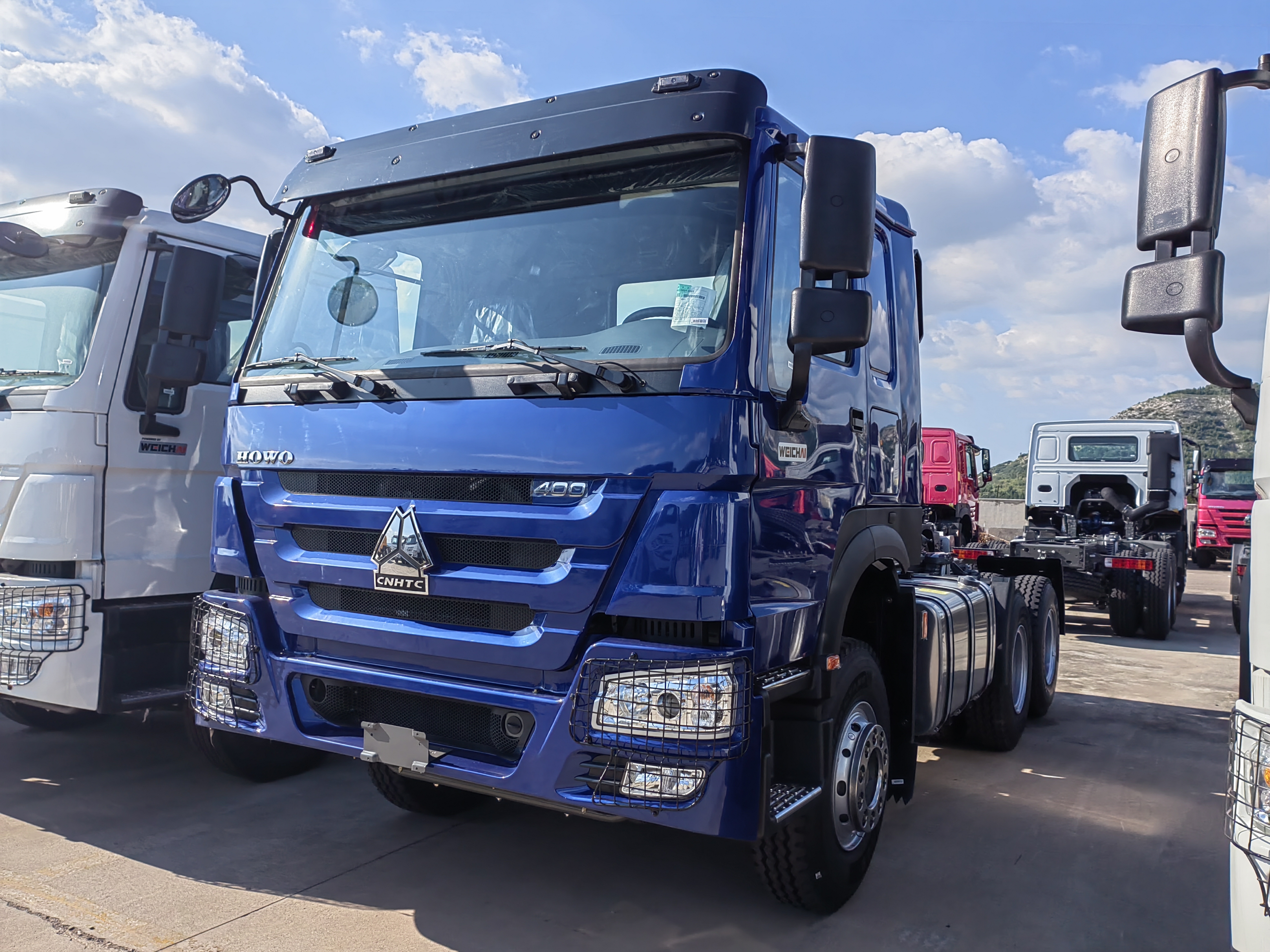
Since automation of steering and designing new engines are making strides, the critical purpose of fully serving customer expectations and needs remains primarily with semi trucks. Engine designs are becoming more sustainable and fuel efficient, while technology integration becomes standard. Remote diagnostics, gps, and smart sensors are the new technologies that most fleet managers use to monitor and manage performance in real time. These technologies suggest optimal route/s to mitigate performance issues and manage route performance proactively. The demand for semi trucks is also influenced by emerging markets with developing trade and infrastructure that require reliable and efficient transport. The next few years will provide semi trucks with more functionality, increased levels of automation, and new technologies to make more productive, efficient, and valuable additions to your fleet. Investing in semi trucks will provide long term operational success and a competitive advantage to your business and the logistics industry.