 EN
EN

How to Choose the Right Garbage Truck for Your City
Let me take you to mid-sized town where they purchased brand new rear loader refuse trucks. Problem is, their historic downtown has one-way, narrow streets with tight corners. These trucks are great if they ever need to stop, but until then, they will create accidents and traffic jams. The town had to rethink their entire refuse collection plan. These trucks are great for one town, but awful for another. Instead of finding these trucks to fit your collection needs, you need to first assess your city roads, collection frequency, streets, alleys, routes, and overall traffic patterns. After understanding your city the right truck will fit your city’s needs.
Understanding The Tools: Front, Side, and Rear Loaders
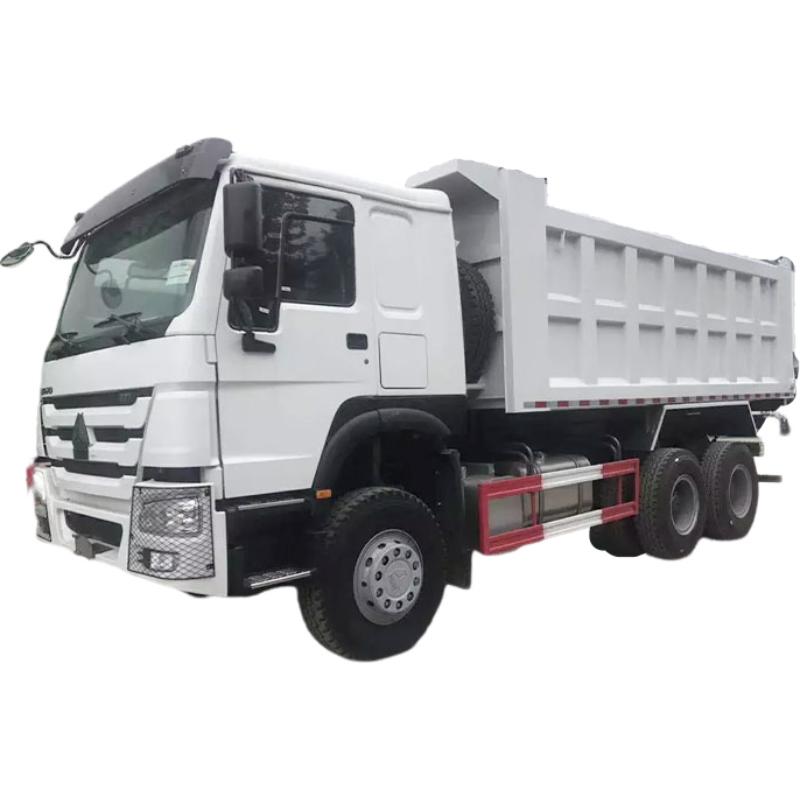
After surveying the terrain, the next step is determining the proper fit of technology. This is where knowledge of refuse truck designs is vital. The industry offers three primary designs, each with distinct pros. Front loaders are the giants of the industry, ideal for large volume commercial dumpsters along wide thoroughfares. They are great for timed route efficiency. Side loaders, which often features some automation, are great for residential curbside collection. They are great at improving collection driver safety in a suburban layout. Rear loaders are the versatile workhorses, often used with manual/semi automated bin collection. They can maneuver in spaces a Front Loader cannot. Rear loaders can be set within a curb line or collection zone without posing a hazard to traffic. The choice isn’t about which is best overall, but which of the refuse truck designs best matches your primary collection style, crew configuration, and collection infrastructure. In diverse urban settings, a mixed fleet is often optimal.
Below is feedback regarding your listening to the data, concern, and experts
Don’t listen. Authoritative documentation is available and at your disposal. While reviewing municipal solid waste management reports, especially the ones published from the Solid Waste Association of North America (SWANA), there is a consistent emphasis on total life cycle costs as opposed to simply a purchase cost. A less expensive refuse truck with higher fuel and maintenance costs can cost more in the long run. Also, reach out to peer cities of the same dimension and layout. Their experiences are priceless. As one public works director from a reputed efficient city remarked, “Our secret was piloting two different refuse truck types on identical routes for 6 months. The data on fuel consumption, collection times, and resident complaints made the choice obvious.” The data and experience should guide your decision.
Establishing Reliability Through Honesty and Overall Worth
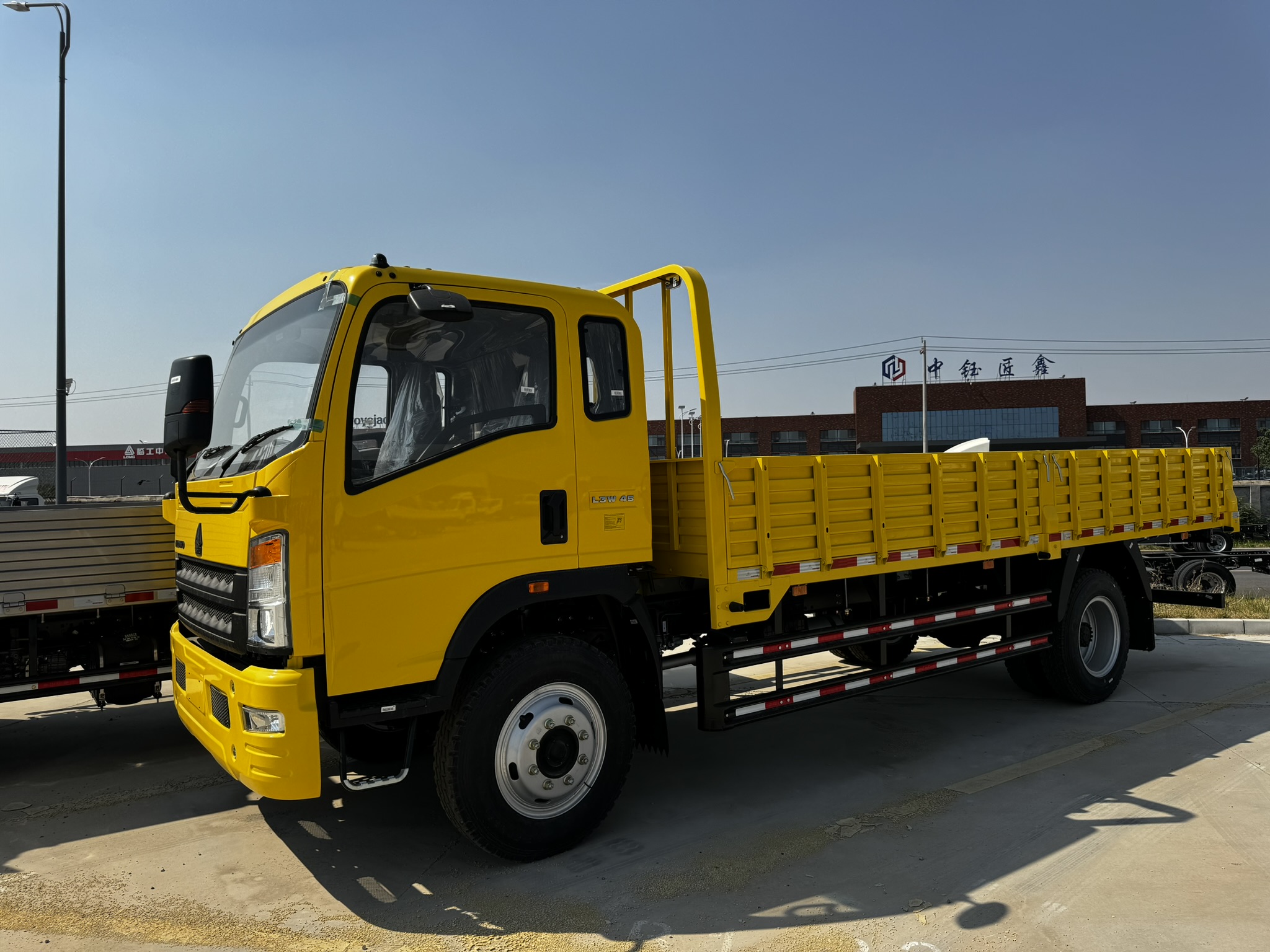
Confidence in a refuse truck vendor is not earned through colorful brochures, but through honest and consistent performance. An honest manufacturer will provide unambiguous, documentable metrics such as email performance, fuel economy, rodent compression rates, and turn signal radius. He should provide a comprehensive maintenance timetable and have a quick availability of maintenance support. He must be frank as well about the operational training that is required for their particular system. A reputation truck's true cost is measurably the longevity, the ease of maintenance, and the residual worth. Opting for a dependable collaborator means that you are not just choosing a vehicle; you are buying a decade or more worth of guaranteed operational service. Stretching the boundaries of service support for yourself will tell you that long service caddies stay serviceable and choose narratively reliable vendors.
The Future-Proof Choice: Efficiency and Sustainability
Your firm’s new refuse truck should help meet tomorrow’s goals. Consider the goals related to environmental regulations and sustainability. Urban centers are adopting stricter regulations that are making newer trucks with cleaner Euro VI or equally rated engines a must. While electric refuse trucks are high from an upfront cost perspective, they also offer near-zero emissions, and will provide a significant decrease in noise. This is beneficial for residential collection that occurs in the early morning. The decision impacts your operational costs and your environmental footprint for years to come. Consider the new refuse truck fleet as more than an asset for collecting waste. Consider it an asset in the city’s pledge to urban management that is efficient, sustainable, and livable. Making the right decision now will be an investment in the future of your city.