 EN
EN

Proper Tank Inspection Helps Maintain Aluminum Tank Truck Performance.
An aluminum tank truck earns its value on ordinary days: the route stays on schedule, loading and unloading points are predictable, and the driver can complete a walk-around without discovering a small defect at the worst possible time. From a maintenance coordinator’s viewpoint, that reliability starts with accessible, repeatable checks rather than with a material label alone. Aluminum can be a practical tank material, but its condition still depends on the cargo, cleaning routine, road exposure, fittings, and the quality of follow-up after each inspection.
For a fleet using an aluminum tank truck in fuel tanker service, the first question is not simply whether the tank looks clean. Ask what it carries, where it operates, and which components see the most vibration, splash, abrasion, or handling. By tanker inspection, we mean a documented review of the tank shell, attachments, closures, piping, and safety-related access points at intervals that match the vehicle’s duty cycle and applicable rules.
Why routine inspection protects performance
Small concerns can become availability problems when they are left undocumented. A rubbed area near a support, a stained fitting, a damaged gasket, or a loose-looking guard may not immediately stop an aluminum tank truck from moving. It can, however, signal a condition worth assessing before the next fuel tanker service interval. A useful checkpoint is inspection access; before deciding a condition is minor, relate it to the actual loading, unloading, and washdown routine.
Inspection also makes maintenance planning more specific. Instead of treating every unit the same, the fleet can note recurring conditions by route, cargo, season, or work site. That record helps separate a cosmetic issue from a pattern that deserves qualified repair, a specification review, or a change in cleaning practice. It is not simply a material issue; more precisely, exposure and maintenance practice both matter.
Start with a safe, repeatable tanker inspection routine
Use the vehicle maker’s instructions, the tank specification, cargo requirements, and local law as the controlling documents. A routine walk-around is not a substitute for a statutory test or a qualified inspection. If a condition creates an immediate safety concern, remove the vehicle from service under the fleet’s procedures and have an appropriately qualified person assess it.
- Prepare the truck. Park on stable ground, control traffic around the vehicle, use the required personal protective equipment, and verify that the tank is in a condition suitable for inspection. Do not enter a tank or open a closure without the applicable confined-space and cargo-handling controls.
- Review the previous record. Check the last tanker inspection, repair notes, cargo history, and any driver-reported leaks, odors, hard-to-operate valves, or unusual vibration. This step gives the walk-around a purpose.
- Inspect systematically. Follow the same route around the aluminum tank truck every time so that shell, heads, supports, piping, and operating hardware are not skipped.
- Record and classify findings. Photograph or describe the location, condition, date, and recommended next action. A clear record makes the next fuel tanker service decision easier to defend and track.
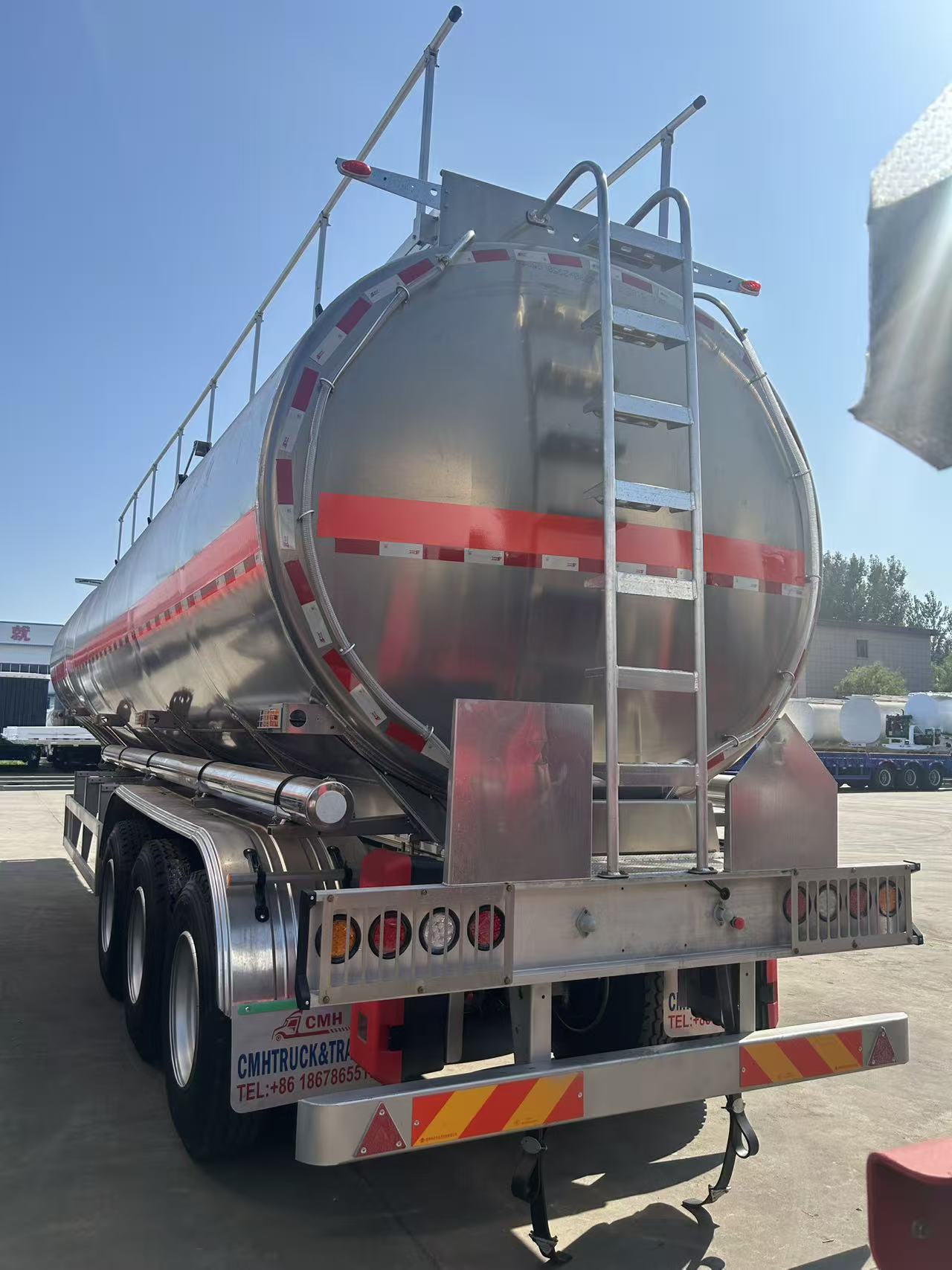
Inspection points that deserve close attention
Tank shell, heads, weld areas, and supports
Look for dents, abrasion, staining, deformation, loose fasteners, visible cracking, or changes around attachments and support interfaces. Clean enough of the surface to make a meaningful assessment; do not use a cleaning chemical or method that is not approved for the tank material, coating, cargo service, and fleet procedure. Pay attention to locations where road debris, retained moisture, or contact with dissimilar materials may change the exposure.
For U.S. specification cargo tanks, 49 CFR §180.407 is one example of why a structured review matters. Its external-visual requirements address conditions such as corroded or abraded areas, dents, distortions, weld defects, and leakage that could make the tank unsafe for transportation. The regulation is jurisdiction- and specification-specific, so it should be used as a prompt to verify the rules that govern the particular unit, not as a universal schedule.
Manways, closures, seals, and vents
Tank safety often depends on items that receive frequent handling. Inspect covers, hinges, locking mechanisms, gaskets, vents, and related guards for damage, contamination, poor seating, or signs of leakage. Confirm that closures can be operated without forcing them. If a seal has been exposed to an incompatible product or looks damaged, the appropriate action may be replacement or qualified evaluation rather than repeated adjustment.
Piping, valves, hoses, and discharge equipment
Trace the product path from the tank outlet through the valves, connections, and accessible piping. Check for wetness, residue, rubbing, missing protection, damaged threads, and hardware that does not return to its intended position. During fuel tanker service, this is also a good time to compare valve operation with the unit’s written procedure. The relevant technical question is whether the equipment remains suitable for the actual medium and loading arrangement.
Frames, walkways, ladders, and access points
Do not limit aluminum tank maintenance to the tank body. Examine steps, walkways, handholds, guards, mounting hardware, and areas beneath the tank that are visible without unsafe access. Their condition affects whether an operator can inspect and service the tank consistently. What will the tank truck actually carry, and how will it be unloaded? The answer changes which access points deserve the closest review.
Turn findings into an aluminum tank maintenance plan
A practical plan assigns every finding to one of three paths: monitor at the next documented check, correct during planned service, or escalate before return to service. The classification should reflect location, cargo compatibility, leakage risk, structural relevance, and applicable requirements—not a guess based on appearance alone.
- Monitor: minor, documented surface conditions that the responsible reviewer determines are stable and do not affect safe operation.
- Plan service: worn noncritical hardware, aging seals, damaged protective items, or access concerns that need correction before they interfere with routine work.
- Escalate: evidence of leakage, a damaged closure or valve, suspected structural damage, a significant weld concern, or any condition that may make transport unsafe.
Where a regulated cargo tank is involved, inspection timing and test methods should be confirmed against the applicable tank specification and jurisdiction. For example, the cited U.S. rule generally lists annual external visual inspections for many cargo tanks and requires recorded results, but exceptions and service-specific obligations exist. A fleet should not infer compliance from a generic checklist.
Make inspection records useful to the whole fleet
A useful inspection form is one that produces an action. Record the unit identifier, date, inspector, operating context, observed condition, photos when useful, disposition, and completion date for repairs. Trend the same locations across the fleet: a recurring abrasion point may suggest a route problem, a mounting issue, a cleaning-practice question, or a configuration detail that needs review.
That is the specification side; the next question is how it behaves in the daily routine. A short driver feedback loop after an aluminum tank truck returns from service can reveal changes that a scheduled tanker inspection did not see. Encourage reports about hard-to-operate valves, unusual residue, new vibration, or access difficulties, then connect those reports to the maintenance record.
Keep safety and performance aligned
Proper inspection does not promise that every defect will be avoided. It creates a disciplined way to find conditions early, assign responsibility, and verify that corrective work was completed. For an aluminum tank truck, the most dependable program ties tank safety to real operating conditions: the carried medium, road and climate exposure, cleaning methods, service intervals, and the components touched most often.
First clarify the task, then inspect the reachable checkpoints, and only then decide whether the unit can continue in service or needs qualified attention. With that approach, aluminum tank maintenance becomes part of performance management rather than an afterthought between deliveries.