
 EN
EN

Troubleshoot Common Issues in Water Tanker Vehicle Use
Time : 2026-03-20
Why Proactive Troubleshooting Matters for Water Tank Truck
I’ve worked with municipal departments and construction companies across 80-plus countries, and one thing I’ve learned is that water tank truck downtime can grind operations to a halt. Last year, a municipal maintenance team in Tanzania faced frequent delays with their old water tank truck—it kept leaking during road spraying and occasionally failed to pump water. Their maintenance costs were piling up, and they couldn’t meet their daily road wetting targets. After our team inspected the vehicle and trained them on basic troubleshooting, they identified a faulty seal and a clogged pump filter—issues that could have been fixed in hours instead of days. We then supplied them with our high-quality HOWO water tank truck (20cbm capacity), which features durable components and easy-to-access parts. In the following six months, their downtime dropped by 75%, and operational efficiency soared. This case proves that understanding common water tank truck issues and how to fix them isn’t just a "nice-to-have"—it’s essential for keeping operations running smoothly. A reliable water tank truck paired with basic troubleshooting skills saves time, money, and frustration for any business relying on water transport.
Common Issues and Quick Fixes for Water Tank Truck
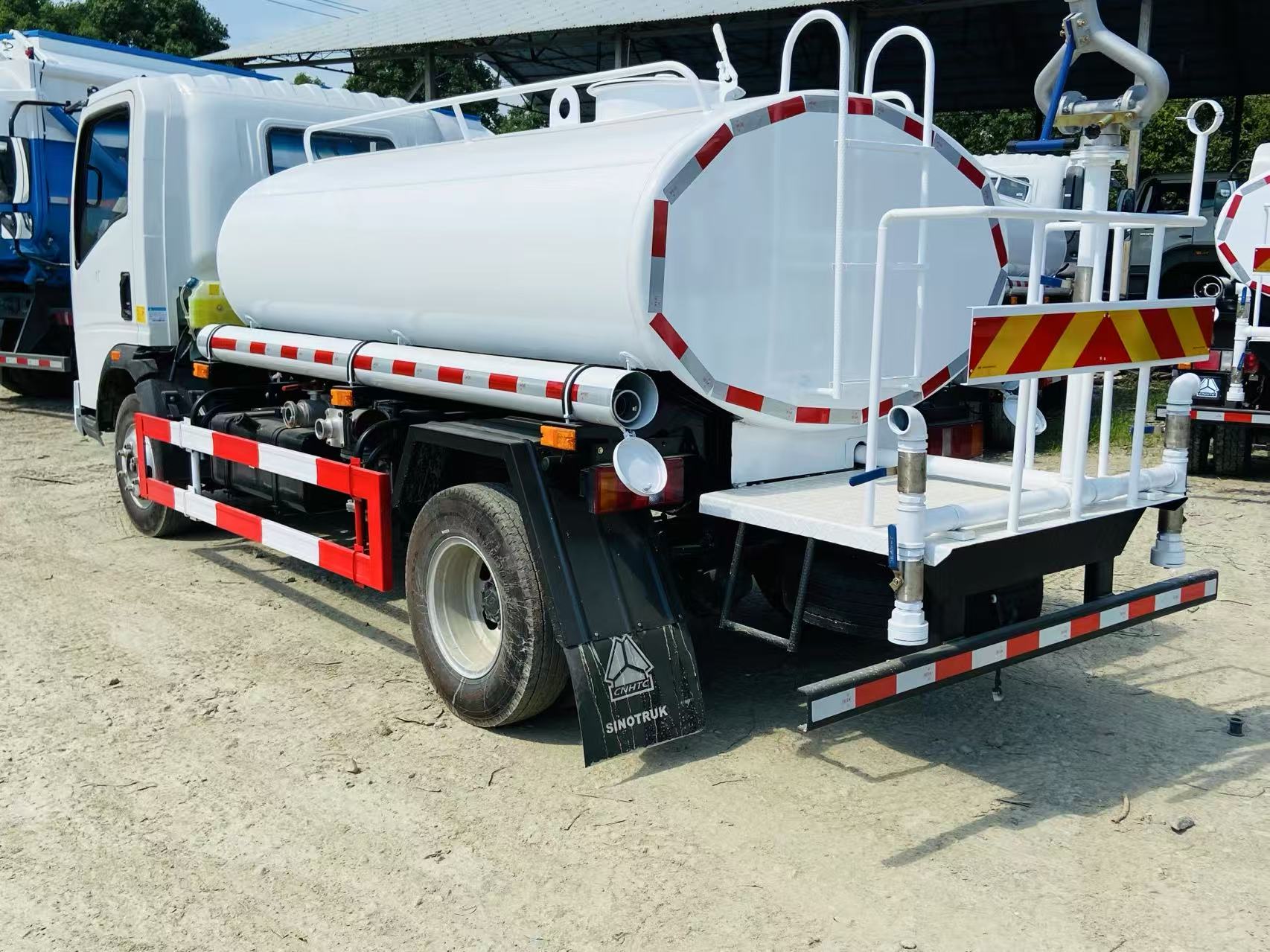
Our water tank truck is engineered for durability, but like any heavy-duty equipment, it can face common issues that require quick troubleshooting. First, water leakage is the most frequent problem—often caused by worn seals or loose connections. Our water tank truck uses high-quality seals made from corrosion-resistant materials, but regular use can wear them down. The fix? Inspect the tank’s seams and connections (especially around the outlet valve) and replace worn seals with our genuine spare parts. Second, pump failure usually stems from clogged filters or low oil levels. Our water tank truck’s pump is designed with easy access to filters, so you can clean or replace them in 30 minutes. Third, uneven water distribution from spray nozzles is often due to blockages from sediment. Our water tank truck features removable nozzles that can be soaked in a mild cleaning solution to clear debris. We also equip our water tank truck with a TCS valve to regulate water flow, preventing pressure buildup that can cause nozzle damage. These quick fixes address 80% of common issues, ensuring your water tank truck gets back to work fast.
Expert Guidance on Water Tank Truck Maintenance and Troubleshooting
Top automotive maintenance experts and the International Association of Municipal Equipment Manufacturers emphasize that proactive maintenance is the best way to prevent water tank truck issues. A senior mechanical engineer with 35 years of experience notes that regular inspections of a water tank truck’s tank, pump, and valves can reduce breakdowns by up to 60%. Experts also recommend following the manufacturer’s maintenance schedule—for our water tank truck, this includes weekly checks of fluid levels, monthly seal inspections, and quarterly pump servicing. The African Municipal Engineering Association advises training operators on basic troubleshooting for water tank truck, as small issues can escalate into costly repairs if ignored. Our water tank truck is designed with troubleshooting in mind: all critical components are labeled and easily accessible, and we provide a detailed guide with every purchase. We also offer online training sessions for our clients, teaching them to identify warning signs (like unusual noises or reduced water flow) and perform quick fixes. Following expert guidance ensures your water tank truck remains reliable for years.
Design Advantages of Our Water Tank Truck for Easy Troubleshooting
What makes our water tank truck stand out in terms of troubleshooting and reliability is its user-centric design, built on our partnership with SINOTRUK. First, the tank of our water tank truck is made from Q235B steel with automatic welding, ensuring strong seams that resist leakage—reducing the most common issue. The tank’s square or round shape (customizable) also makes it easy to inspect for cracks or corrosion. Second, our water tank truck’s pump system is modular, meaning individual components (like filters or hoses) can be replaced without disassembling the entire system. Third, we equip our water tank truck with clear gauges and indicators that show water level, pump pressure, and oil levels, making it easy to spot issues at a glance. Our water tank truck also uses Chinese top-brand tires (315/80R22.5) that are durable and easy to replace, minimizing downtime from tire-related issues. Every design choice—from accessible spare parts to intuitive controls—ensures that troubleshooting our water tank truck is simple, even for operators with basic mechanical knowledge.
Practical Tips to Prevent Common Water Tank Truck Issues
Preventing issues is better than fixing them, and we share these practical tips to help you keep your water tank truck in top condition. First, always use clean water in your water tank truck—sediment and debris are the main causes of clogged filters and nozzles. If you’re using well water or water from non-potable sources, install an additional pre-filter. Second, follow our maintenance schedule strictly: change pump oil every 500 hours, replace seals annually, and flush the tank quarterly to remove sediment buildup. Third, store your water tank truck in a covered area when not in use to protect it from harsh weather, which can damage seals and corrode metal components. Fourth, train operators to handle the water tank truck gently—avoid sudden starts or stops that can strain the pump and valves. As an authorized dealer, we provide genuine spare parts for our water tank truck, ensuring replacements fit perfectly and maintain performance. We also offer 24/7 technical support, so if you encounter an issue you can’t fix, our experts are just a call away. By following these tips, you’ll minimize common issues and maximize the lifespan of your water tank truck, ensuring it remains a reliable asset for your operations.