 EN
EN

Oil Tanker Trucks: Navigating Industry Demands
Understanding the Core Role of Lorry Oil Tankers in Modern Logistics
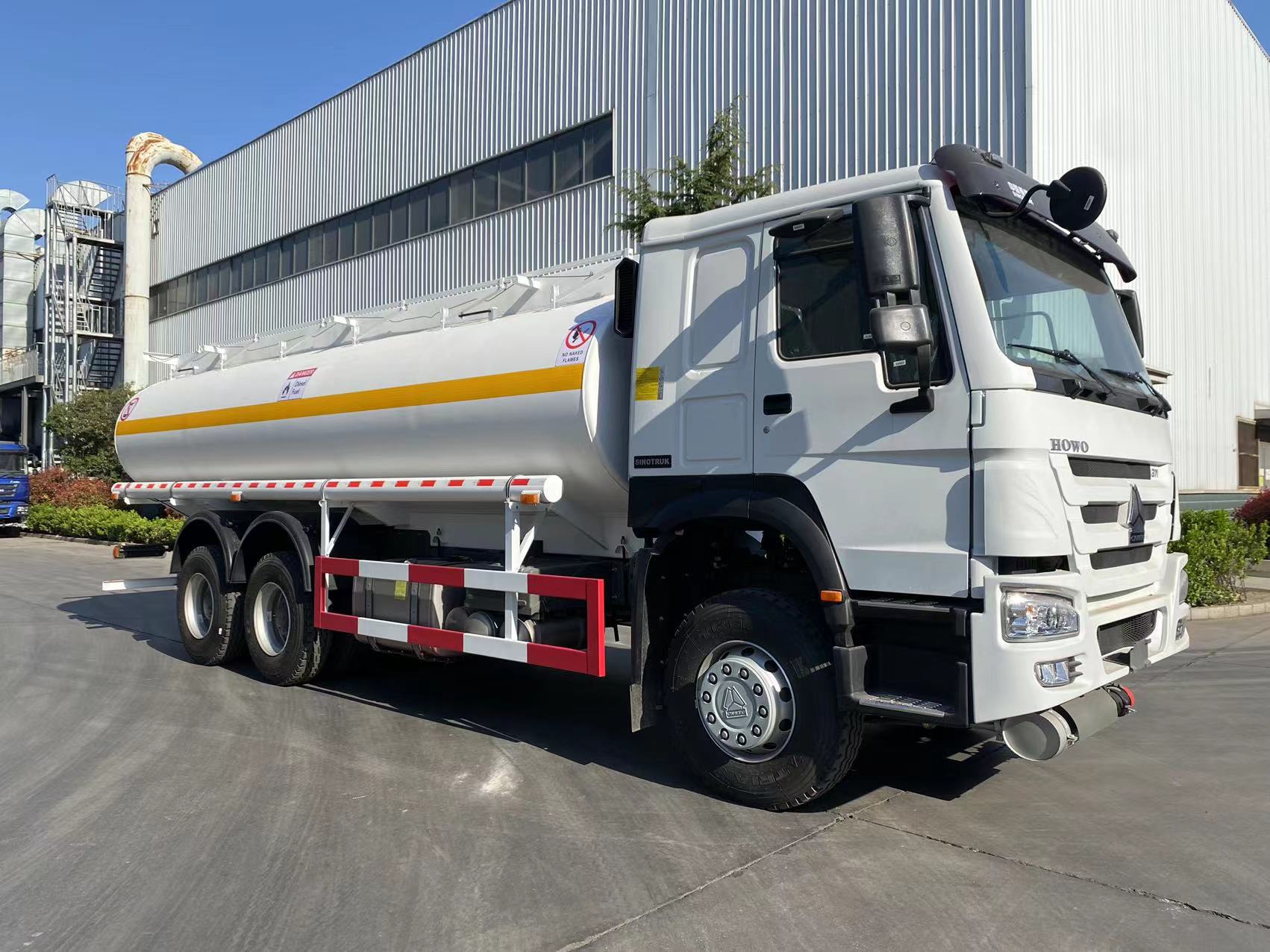
Lorry oil tankers are the backbone of the global energy supply chain, quietly ensuring that fuel reaches every corner of the industry and daily life. From powering factories and transportation fleets to fueling gas stations for civilian use, these specialized vehicles play an irreplaceable role. Unlike ordinary cargo trucks, lorry oil tankers are designed to safely transport large quantities of liquid petroleum products, including gasoline, diesel, and lubricating oil. Their design must prioritize not only load capacity but also strict safety standards to prevent leaks, spills, and other potential hazards. In regions like Africa, Southeast Asia, and Latin America, where infrastructure development is booming, lorry oil tankers are in high demand to support construction projects, agricultural activities, and urbanization efforts. As a key part of heavy-duty transportation, they connect oil refineries, storage facilities, and end users, forming a seamless logistics network that keeps economies running smoothly.
Key Design Features That Define Reliable Lorry Oil Tankers
Reliable lorry oil tankers stand out due to their thoughtful design and robust construction, tailored to the unique challenges of oil transportation. The tank body is the most critical component, typically made of high-strength Q235B steel with precise thickness to withstand pressure and resist corrosion. Many modern lorry oil tankers feature automatic welding technology combined with manual welding for key joints, ensuring structural integrity even during long-haul journeys on rough roads. The shape of the tank, whether square or round, is optimized for stability, reducing liquid sloshing that can affect vehicle balance. Additionally, safety features such as TCS valves, emergency shutoff systems, and leak detection devices are standard equipment, providing multiple layers of protection. For heavy-duty models, multi-layer frames and high-quality tires enhance load-bearing capacity and durability, allowing lorry oil tankers to operate efficiently in various environmental conditions, from hot deserts to rainy rural areas.
Operational Best Practices for Lorry Oil Tanker Drivers
Operating a lorry oil tanker requires specialized skills and strict adherence to best practices to ensure safety and efficiency. Before each trip, drivers must conduct thorough inspections of the vehicle, checking the tank for cracks, the tires for wear, and the safety systems for proper functionality. Loading and unloading processes demand precision—oil should be transferred slowly to avoid static electricity buildup, and drivers must ensure all connections are tight to prevent leaks. During transportation, maintaining a steady speed and avoiding sudden accelerations or decelerations is crucial to minimize liquid movement in the tank. Drivers should also be familiar with route conditions, avoiding steep slopes and sharp turns whenever possible. Regular rest stops are essential to prevent fatigue, as long hours on the road can increase the risk of accidents. By following these practices, drivers can maximize the lifespan of the lorry oil tanker and ensure the safe delivery of valuable cargo.
Addressing Industry Challenges Faced by Lorry Oil Tanker Operators
Lorry oil tanker operators face a range of challenges that require adaptability and proactive solutions. Fluctuating fuel prices and strict environmental regulations are major concerns, pushing operators to invest in more fuel-efficient and eco-friendly vehicles. Road infrastructure issues, such as poor road conditions and inadequate loading facilities, can delay deliveries and increase maintenance costs. Additionally, security risks, including theft and vandalism, are a threat in some regions, requiring operators to implement security measures like GPS tracking and secure parking. To overcome these challenges, many operators choose lorry oil tankers from reputable suppliers that offer reliable after-sales service and spare parts support. Collaborating with local logistics partners can also help navigate regional regulations and infrastructure limitations, ensuring smooth operations. By staying informed about industry trends and investing in quality equipment, operators can maintain a competitive edge in the dynamic oil transportation sector.
The Future of Lorry Oil Tankers: Innovation and Sustainability
The future of lorry oil tankers is shaped by innovation and a growing focus on sustainability. Manufacturers are developing more energy-efficient engines and lightweight materials to reduce fuel consumption and carbon emissions. Electric and hybrid lorry oil tankers are emerging as viable alternatives for short-haul transportation, aligning with global efforts to combat climate change. Advanced technologies such as IoT sensors and telematics systems are being integrated into these vehicles, allowing operators to monitor tank conditions, track fuel levels, and optimize routes in real time. Customization is also becoming more prevalent, with lorry oil tankers designed to meet specific regional requirements, such as different load capacities and regulatory standards. As the industry evolves, sustainability and efficiency will remain key drivers of innovation, ensuring that lorry oil tankers continue to play a vital role in the global energy supply chain while minimizing their environmental impact.